Geomechanics, Streamlined.
© 2026 Geomechanics.io. All rights reserved.
50 articles tagged with Sustainability
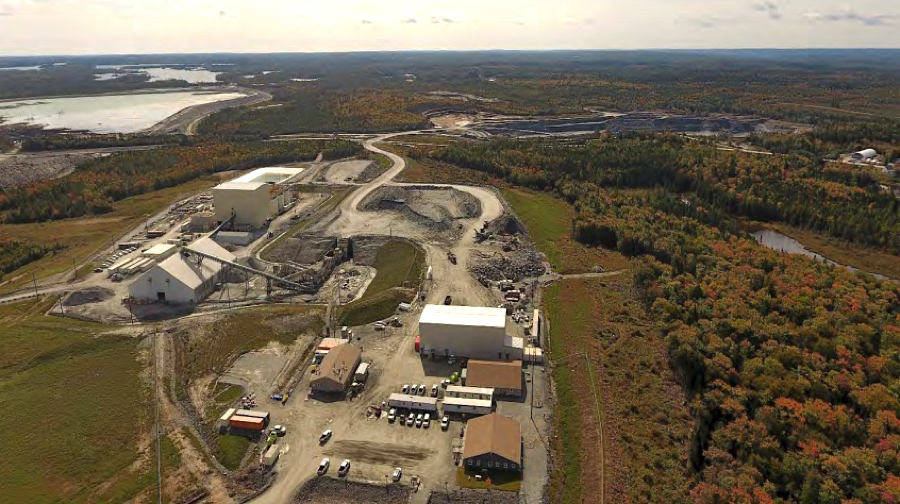
Assarel-Medet has taken delivery of a 300 t class Liebherr R 9350 E electric excavator for its Assarel copper mine at Bul in Bulgaria’s Pazardzhik province, the fifth large electric Liebherr excavator supplied to the company by Liebherr-Export and local partner Alki-L. The R 9350 E, powered by an electric drive rather than diesel, delivers zero on-site greenhouse gas emissions at the face, supporting lower ventilation demand and reduced fuel logistics for the open-pit operation.
Gordons Construction Equipment is opening its seventh depot and first construction-only site in central Scotland this summer at Blairgowrie, after acquiring the premises from retiring owner Fergus Mitchell. The company has become a licensed dealer for Dieci tele and rotation handlers and Bomag compaction equipment, including road rollers, planers and recyclers, to complement its existing Develon excavation range for projects from housebuilding to peatland restoration. The Blairgowrie site is being upgraded with new hard standing, workshop and showroom, plus roof-mounted solar panels and electric vehicle chargers to power and support operations.
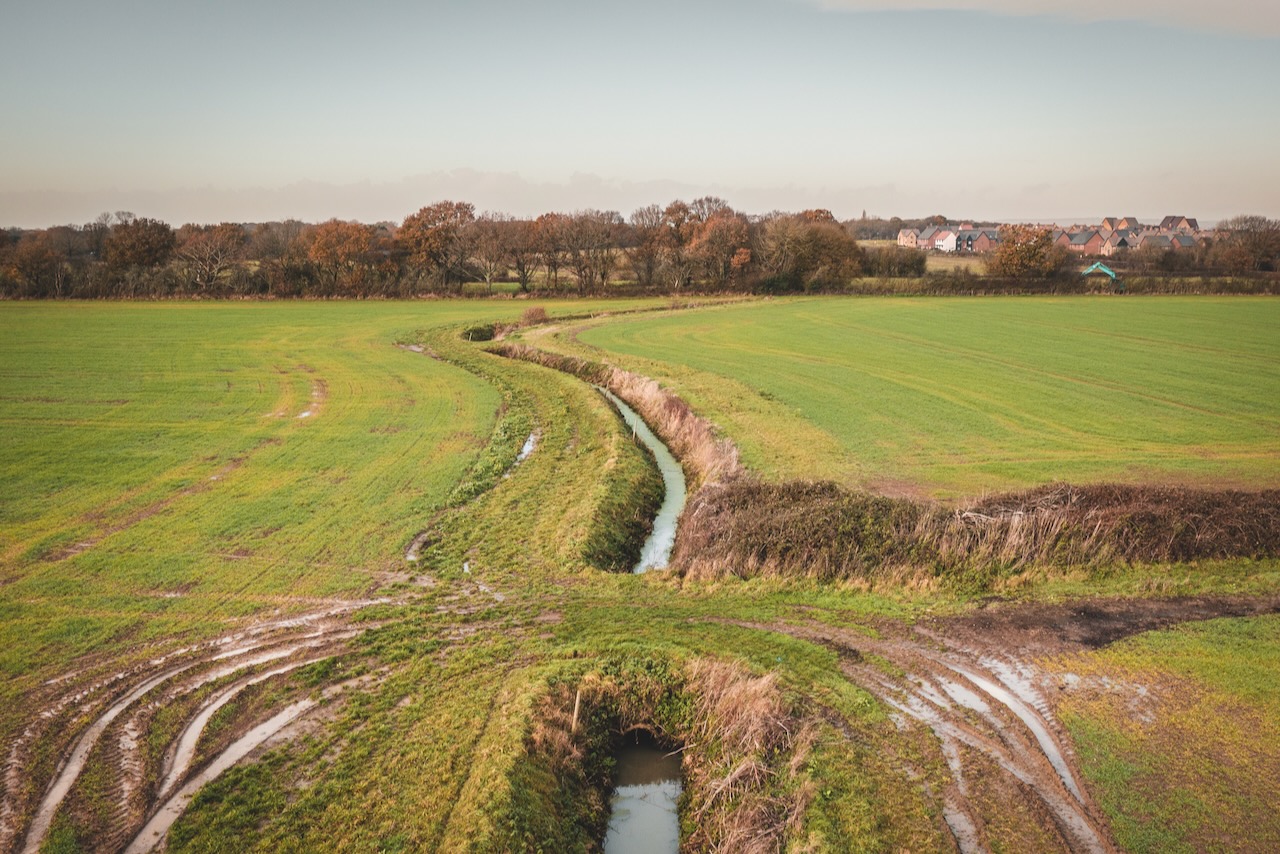
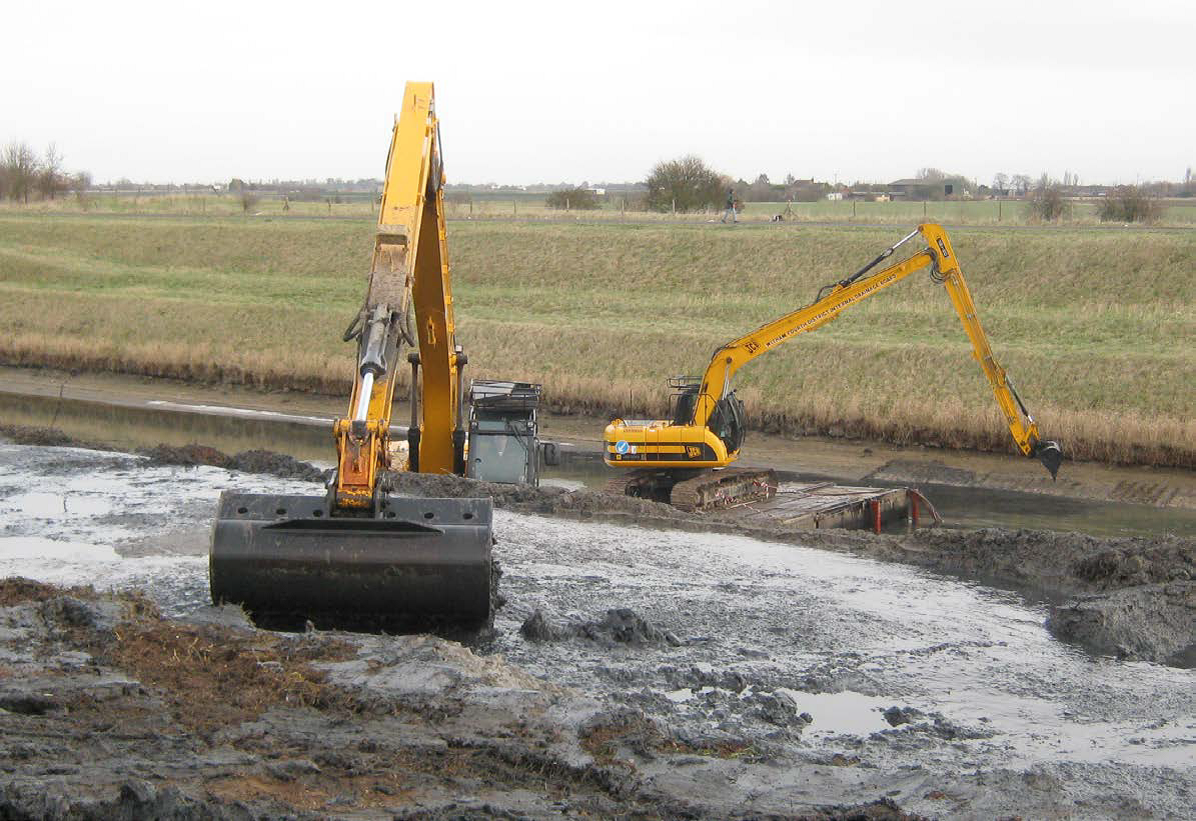
Natural England has approved the Stodmarsh stream enhancement scheme under the Habitats Regulations, unlocking nutrient neutrality credits to support several thousand new homes around Ashford, Kent. The scheme centres on watercourse and wetland improvements in the Stodmarsh catchment to offset additional nitrogen and phosphorus loads from new foul drainage. Planners, drainage designers and geotechnical teams will need to integrate on-site attenuation, SuDS and connection strategies that align with the credit conditions tied to the Stodmarsh enhancement works.
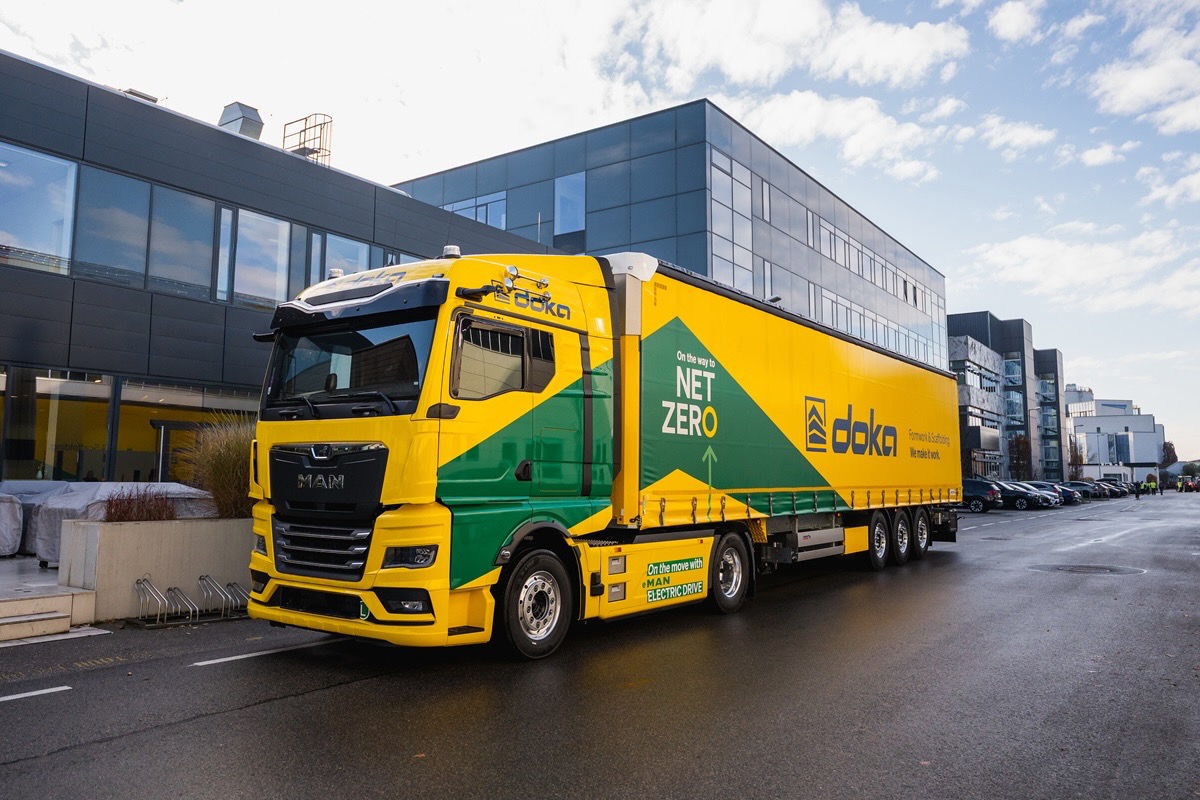
Doka has earned an EcoVadis Silver rating in the 2026 assessment, placing the formwork and scaffolding specialist in the top 15% of more than 150,000 rated companies and scoring 91/100 in the environmental category. The company is targeting net zero by 2040 through expanded on-site photovoltaics, fleet electrification and value-chain emission cuts, backed by Science Based Targets initiative commitments. For contractors, Doka’s rental-based circular model, refurbishment services, Xlife top formwork sheet with recycled content, and product carbon footprint data for over 7,000 items offer practical levers to reduce project embodied carbon.
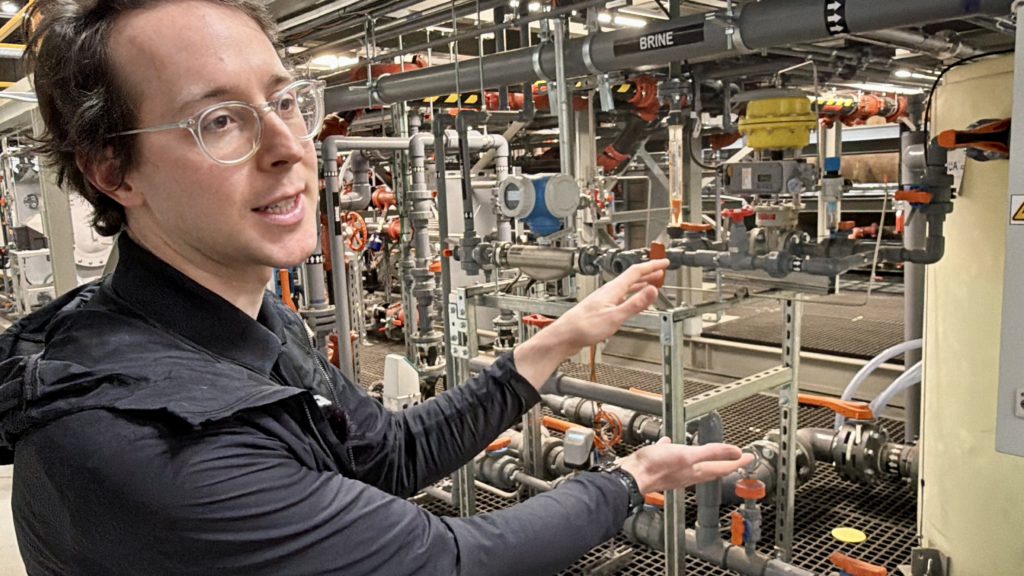
Mangrove Lithium has commissioned North America’s first commercial electrochemical lithium refinery in Delta, British Columbia, with capacity to produce 1,000 tonnes per year of battery-grade lithium hydroxide—enough for about 25,000 EVs—using an electrolyser and membrane system that regenerates sulfuric acid and eliminates sodium sulfate waste. The plant can process feed from brines, hard rock, clays, geothermal direct lithium extraction and battery recycling, reducing chemical consumption and carbon intensity versus conventional routes. Backed by up to C$116 million from the Canada Growth Fund and C$21.9 million in conditional federal support, Mangrove is advancing a 20,000 t/y Quebec refinery and has an MoU to source spodumene from the North American Lithium mine.
BHP Invent has signed two Memorandums of Understanding with China ENFI, a subsidiary of China Metallurgical Group Corporation, and BGRIMM Technology Group to co-develop technologies for mineral processing, leaching and complex ore treatment. The partnerships focus on flowsheet innovation and metallurgical testwork for challenging ores, including operations in high-altitude environments common to western China. For miners, this signals potential new process routes and reagent schemes for low-grade or refractory deposits, with Chinese engineering houses positioned as key design and pilot-plant partners.
The Metals Company’s NORI and TOML subsidiaries have submitted 2013–2022 exploration data from the eastern Clarion‑Clipperton Zone to the ISA’s DeepData system, including 777 equipment deployments, over 4,800 environmental samples, 76,000 biological records and 69,185 geochemical data points from depths beyond 4,000 m. The dataset now accounts for roughly one‑third of all CCZ entries in DeepData and 54% of biological records in the OBIS‑ISA node, positioning it as a key reference for Environmental Impact Assessments. TMC argues this evidence base is sufficient to start monitored commercial nodule collection, despite ongoing calls from NGOs for a moratorium.
Fast-tracking US critical minerals projects under President Trump’s March 2025 executive order has seen some mining permits issued in as little as 20 days, prompting Oxfam America to warn that compressed timelines without robust environmental review and community consultation could trigger force majeure events, legal challenges and multimillion-dollar delays. Oxfam policy leads Emily Greenspan and Andrew Bogrand argue that IFC performance standards should be treated as a minimum and that US-backed export credit and development finance should be tied to IRMA’s more stringent audit regime. They also caution that the industry-led Consolidated Mining Standard Initiative could dilute existing benchmarks and that policymakers still underestimate the globalised nature of refining and processing, particularly in regions such as Africa’s Copperbelt.
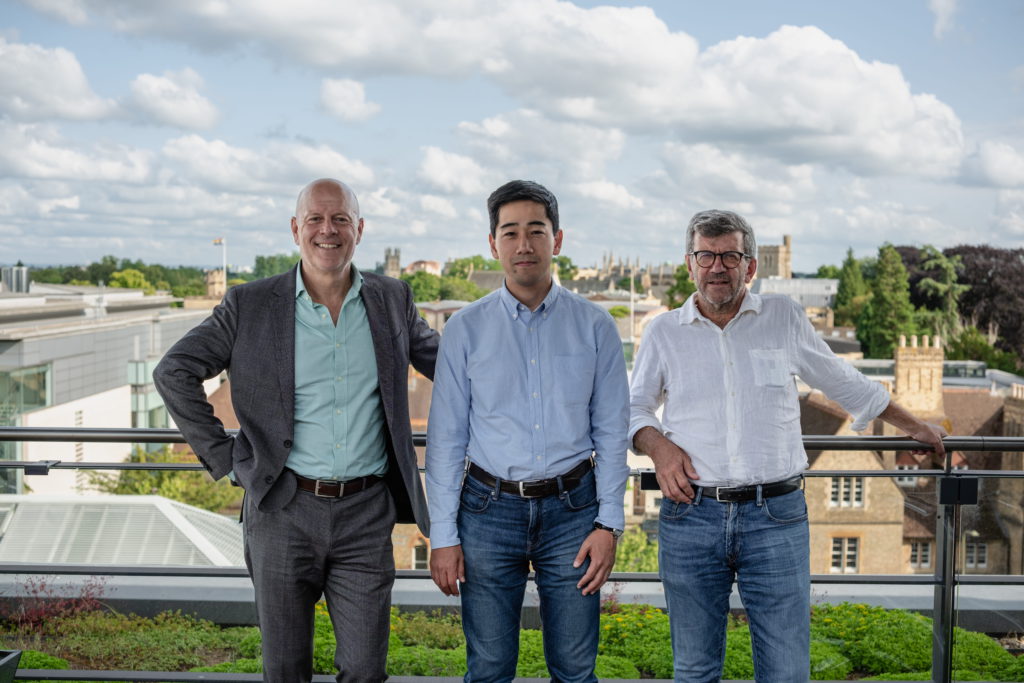
Oxford University spinout Ascension has raised £1.7 million in new funding, combining a £670,490 Innovate UK Growth Catalyst grant with £1 million from UKI2S, Oxford Science Enterprises and East X, bringing total capital raised to £6.2 million. The company’s Selective Recovery programme targets rare earths and other critical minerals in deep volcanic glass, aiming to separate metals in situ and cut surface processing stages. Ascension’s process uses natural geothermal heat in volcanic rock deposits, avoiding excavation, high-temperature surface processing and associated land disturbance.
Holcim UK is deploying 20 LiuGong 870HE pure electric wheel loaders across its quarry fleet, expanding one of the highest-tonnage battery-electric loader deployments in the sector. The 870HE units, among the largest pure electric loaders currently available, are targeted at high-duty quarry loading cycles traditionally dominated by diesel machines. For geotechnical and quarry operators, this signals accelerating adoption of heavy battery-electric equipment for primary load-and-haul, with implications for power supply design, charging infrastructure layout and ventilation requirements in future pit and plant planning.
Mandatory biodiversity net gain (BNG) for nationally significant infrastructure projects (NSIPs) has been pushed back to November 2026, a six‑month delay from the original May 2026 start. The deferral affects DCO‑consented schemes such as major highways, rail corridors and large energy projects, which will ultimately need to evidence at least 10% biodiversity uplift using habitat units and metric‑based baselines. Designers and environmental consultants gain extra time to refine baseline surveys, habitat creation plans and long‑term management obligations before BNG becomes a legal requirement.
Julie White, managing director of diamond drilling and concrete sawing specialist D-Drill & Sawing, has been appointed a trustee of social mobility charity Construction Youth Trust. She will help connect young people from low-income and underrepresented backgrounds with employers across the construction sector, drawing on experience running a subcontractor where around 80% of the workforce began as apprentices. White also sits on the Government’s Construction Skills Mission Board, tasked with delivering a workforce action plan to recruit 100,000 new workers annually until 2029.
NG Bailey has created a new low carbon director role and appointed Jonathan Kershaw, former managing director of Dalkia Energy Services, to lead development of its low carbon business across the group. Kershaw will design and implement a strategic plan that uses data insight, engineering expertise and on-site delivery to cut operational carbon in building and infrastructure assets and quantify long-term value. With 15 years’ experience in carbon reduction and resilience on large infrastructure projects, he is tasked with accelerating clients’ transition to more efficient, resilient building portfolios.
Australia’s asphalt sector, led by guidance from the Australian Flexible Pavements Association (AfPA) and Projects Technical Advisor Trevor Distin, is pushing performance-based mix design to exploit asphalt’s 100 per cent recyclability and cut pavement carbon. Reclaimed asphalt pavement (RAP) is being reprocessed into new surface and base courses, with higher RAP contents enabled by rejuvenators, tighter binder grading and improved plant controls. For designers and asset owners, the shift means specifying functional performance (rutting, fatigue, texture, skid resistance) and lifecycle cost rather than prescriptive mix recipes.
Rising global defence spending on missiles, drones and advanced electronics is sharply increasing demand for critical minerals such as rare earths, high‑purity aluminium, titanium, nickel and specialised battery metals. Modern defence platforms now embed complex materials across guidance systems, radar, propulsion and armour, tightening specifications on purity, magnetic behaviour and high‑temperature performance. For miners and processors, this points to long‑term offtake potential for Australian rare earths, titanium and nickel projects, but also stricter ESG, traceability and supply‑security requirements in defence‑linked supply chains.
Orica has moved into copper processing chemistry by acquiring FMC Corporation’s Danafloat™ range of high-performance flotation collectors, used for copper and other “future facing” commodities. The deal covers proprietary formulations designed to maximise sulphide ore recovery and improve concentrate grade while reducing reagent dosage and environmental impact. For concentrator operators, this adds a major explosives and blasting supplier into the flotation reagent supply chain, potentially enabling tighter integration between upstream fragmentation and downstream recovery optimisation.
Queensland-based mining services provider National Group is sponsoring a community-focused award recognising resources companies that show strong engagement and deliver measurable change across the sector. The award targets operators and contractors working in Queensland’s coal, metals and quarrying projects, with assessment centred on local employment, training programmes and long-term community investment rather than short-term donations. For geotechnical and mining teams, this signals growing scrutiny of how project delivery, contractor selection and site rehabilitation strategies translate into tangible regional benefits.
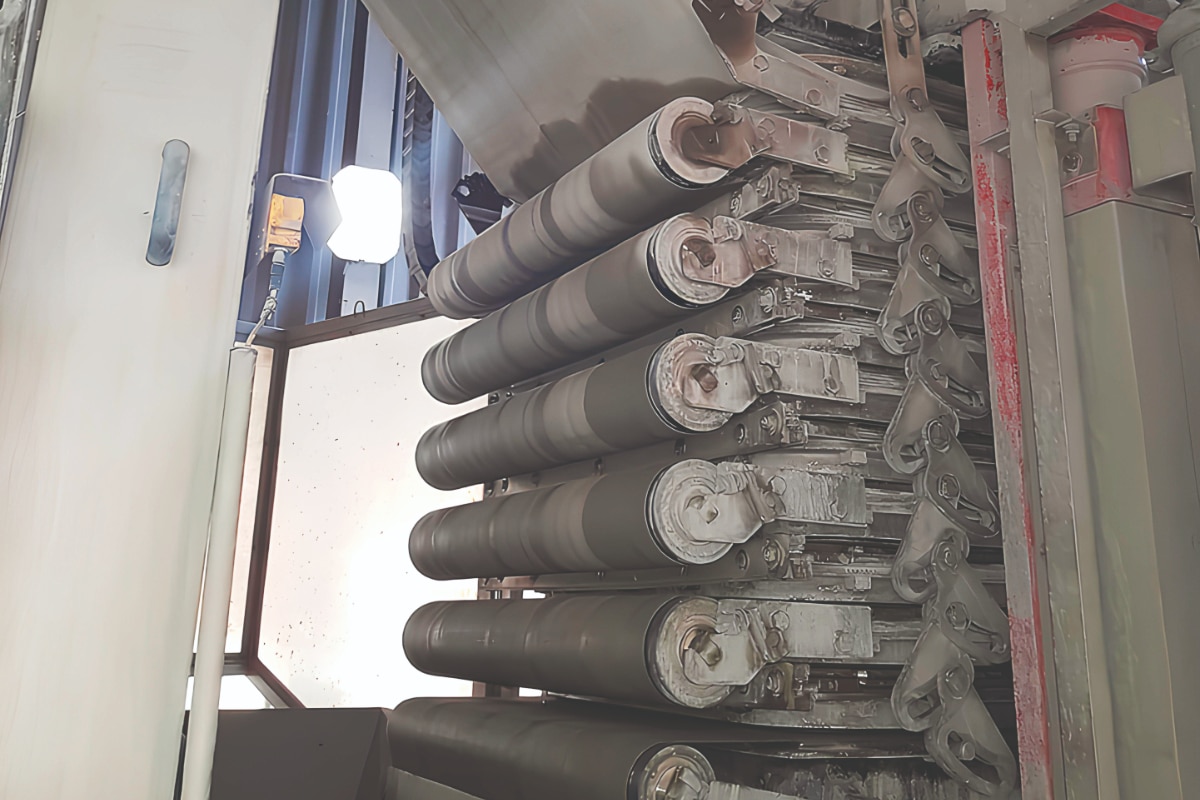
Smarter filtration solutions in wet mineral processing are focusing on high-pressure tower filter presses for slurry dewatering, such as Thejo’s vertical plate designs that deliver low-moisture filter cakes and high filtrate recovery. Suppliers are pairing these presses with automated cloth washing, cake discharge monitoring and optimised cycle control to stabilise throughput and reduce unplanned downtime. For plant designers, the shift is towards integrating filtration with upstream thickening and downstream dry stacking to cut fresh water intake and tailings storage volumes.
US Treasury Secretary Scott Bessent is pressing the World Bank at the IMF–World Bank spring meetings to redirect green lending towards “high-quality, durable” critical minerals mining and processing projects, particularly rare earths, to counter China’s control of over 90% of global rare earth supply. Managing the dominant US shareholding, he called for rapid support across all Bank arms for projects and associated infrastructure that diversify supply chains and increase domestic value capture. Bessent also welcomed the expiry of the Bank’s climate change action plan, labelling its climate finance targets “myopic” and signalling a broader shift in multilateral funding priorities.
US Critical Materials Corp. and Columbia University have launched a two-year “Mud to Metal” programme to extract defence-critical gallium, scandium, titanium and rare earth elements from red mud waste sourced from multiple alumina refineries, including operations linked to Alcoa. Led by Columbia’s Greeshma Gadikota, the work will trial oxidative leaching, selective separations and co-recovery of titanium dioxide and iron oxide, coupled with techno-economic and lifecycle modelling to test commercial viability. Success could create a domestic byproduct supply chain that complements USCM’s high-grade Sheep Creek rare earth project in Montana.
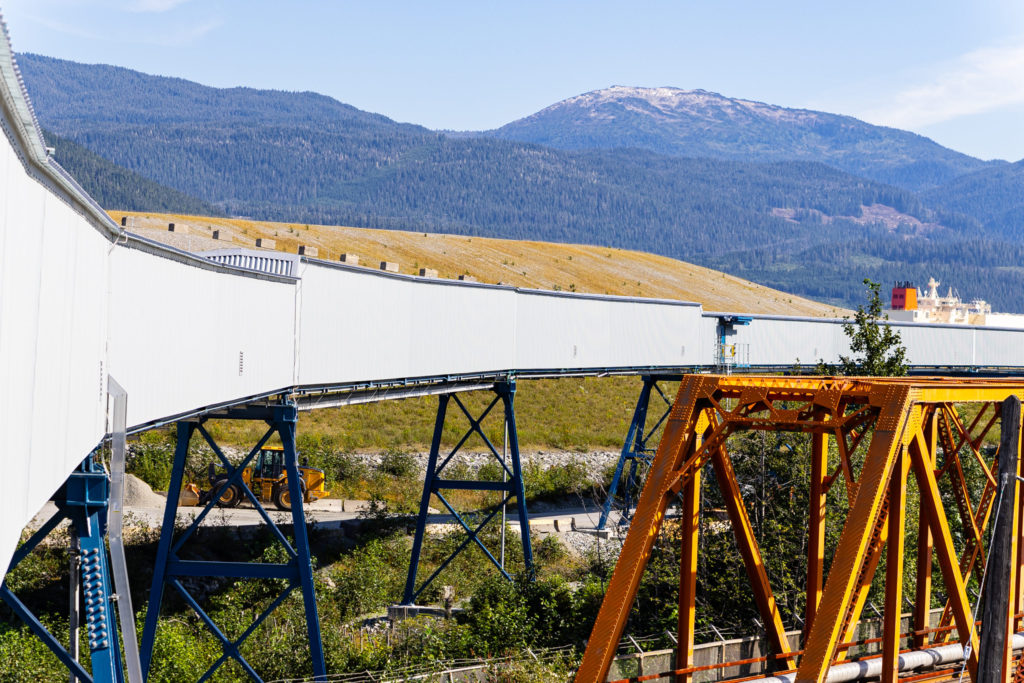
Rio Tinto has commissioned a C$135 million, 1.1‑kilometre alumina conveyor at its BC Works aluminium smelter in Kitimat, designed for a 50‑year life and capacity of 800,000 tonnes per year. The sealed pipe system is engineered to cut particulate emissions by about 40% by enclosing the alumina stream, reducing transfer points and integrating high‑efficiency dust collectors. Recovered alumina is returned to the process, simplifying maintenance and stabilising raw material feed to the long‑running British Columbia operation.
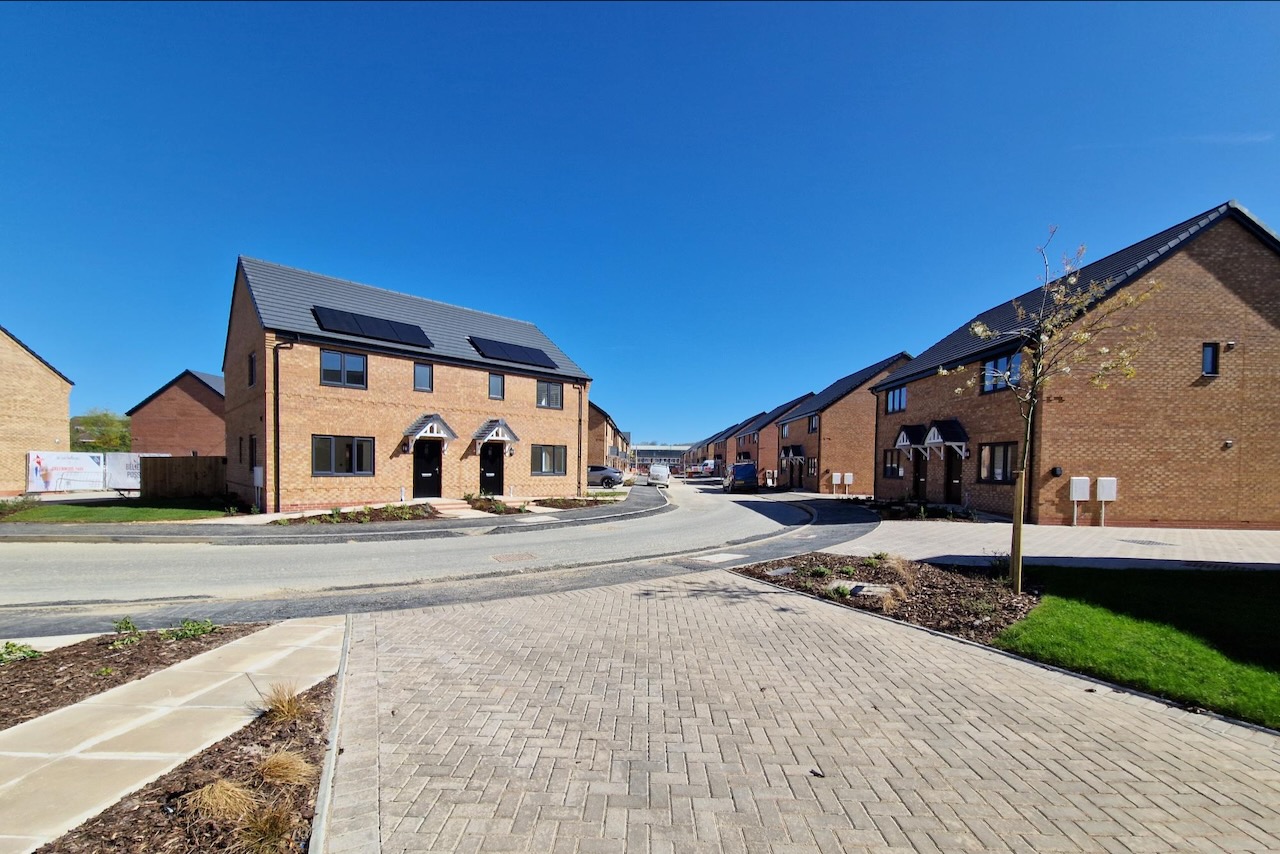
Plans for a 300-home development in Cambridgeshire are advancing under a new agreement between Octopus Energy and Prosperity Group to integrate on-site solar generation with battery storage as the primary power source. The scheme will require estate-wide low-voltage networks, smart inverters and behind-the-metre storage to balance household demand and PV output without relying on conventional gas connections. For civil and building engineers, early coordination of roof orientations, structural loading for panels and plant rooms for battery systems will be critical to layout, services routing and fire strategy.
First Quantum Minerals and Hitachi Construction Machinery have commissioned the world’s first ultra-large battery electric mining truck, a fully electric Hitachi EH4000, at the Kansanshi copper-gold mine in Zambia. The truck operates without a diesel engine, using a large-format battery system and electric drive to cut on-site fuel consumption and associated CO₂ emissions. Deployment at Kansanshi provides a full-scale test bed for trolley-assist integration, high-current charging infrastructure and duty-cycle optimisation on ultra-class haul routes.
Network Rail has signed a power purchase agreement with RWE for 65% of its non-traction electricity demand to be supplied from an offshore wind farm in Wales, covering stations, depots, signalling and other fixed infrastructure. The deal ties a major rail infrastructure operator directly to a single large-scale renewable asset, giving more predictable long-term pricing and grid carbon intensity for operational facilities. For civil and rail engineers, this strengthens the case for further electrification of depots, plant and heating, with load profiles increasingly constrained by intermittent offshore wind supply.
Costain has completed 1,625km of gas main upgrades over five years under its Contract Management Organisation (CMO) agreement with Cadent, covering multiple distribution networks. The programme focused on replacing ageing low- and medium-pressure mains with modern materials to cut leakage and improve network resilience, delivered while maintaining gas supplies to customers. For civil and geotechnical teams, the scale implies sustained urban streetworks, trenching, and reinstatement, with ongoing demand for efficient excavation methods and tight utility coordination.
Graham has secured six lots on Sovereign Network Group’s 12-lot new-build framework, which underpins delivery of 25,000 homes across the South of England. The contractor will deliver schemes in London & East on Lots 2 (£15m–£45m) and 3 (above £45m), and in the South on Lots 6 (£15m–£45m) and 7 (above £45m), plus West region Lots 10 (£15m–£45m) and 11 (above £45m). For consultants and contractors, this signals a substantial pipeline of residential-led regeneration work with strong emphasis on sustainability and complex estate redevelopment.
Digital material management platform MukAway has signed a nationwide partnership with major groundworks contractor MV Kelly, which operates across hundreds of live residential sites, to expand its UK network for reusable construction materials. The deal increases the platform’s density of active users and real-time transactions between contractors, housebuilders, civil engineers, recycle yards and wash plants, improving options for on-site reuse and off-site redistribution of aggregates and spoil. MukAway will shortly add a “merchant facility” so MV Kelly and others can source primary and recycled aggregates and manage hazardous, non-reusable materials within the same procurement platform.
BS 7671 has been updated with a new chapter on stationary secondary batteries, setting design and installation requirements for power conversion equipment, bidirectional and hybrid inverters, and protective devices capable of handling two‑way energy flow for vehicle‑to‑home and vehicle‑to‑grid use. The amendment also tightens rules on battery siting, ventilation and fire‑risk mitigation, and introduces new sections on Power over Ethernet for LED lighting and small appliances, and earthing for ICT equipment, alongside revised guidance for medical locations. The ECA has issued parallel guidance and events to help contractors interpret Amendment 4 and maintain compliant low‑carbon and EV‑ready installations.
Chalcopyrite, the dominant copper iron sulphide in most porphyry and VMS deposits, is being re‑examined as a route to cleaner copper production through alternative leaching and electrochemical pathways that avoid traditional high‑temperature smelting. Researchers are focusing on low‑temperature oxidative leach systems, including chloride and bioleach circuits, to accelerate chalcopyrite dissolution and cut SO₂ emissions and slag volumes. For mine operators and metallurgists, successful deployment would shift flowsheets towards heap or in‑situ leaching, change tailings mineralogy, and reduce reliance on large concentrate transport and smelter capacity.
The US Department of Energy’s TRACE-Ga initiative is awarding about $5.4 million to five firms to design and validate flowsheets to restart primary gallium production, after nearly 40 years of zero domestic output and 100% import reliance under China’s 98% global supply dominance. PHNX Materials will target non-traditional waste streams to co-produce gallium, supplementary cementitious materials, alumina and ammonium sulphate, while Atlantic Alumina and Found Energy will apply counter-current ion exchange, electrochemistry and Direct Bayer Extraction to recover gallium from hot, dilute Bayer liquors. Kunin Technologies aims for a 12 tpa gallium pathway from high-Ga metal streams, and Indium Corporation will build recycling-based recovery from scrap, signalling new process options for alumina refineries and metallurgical residues.
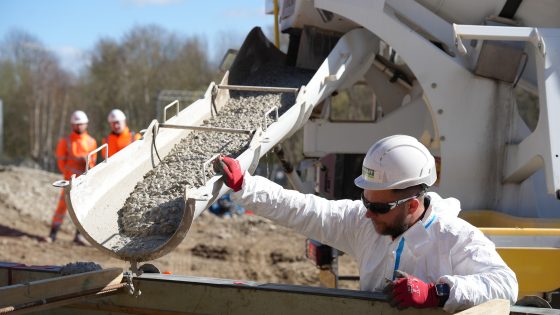
Murphy has completed the UK’s first permanent works pour using Ecocem ACT low‑carbon concrete, marking a shift from traditional CEM I mixes on a live infrastructure scheme. Ecocem ACT is a clinker‑reduced binder system designed to cut embodied CO₂ significantly while maintaining CEM I‑equivalent strength and setting performance, enabling direct substitution in structural elements. For designers and contractors, this early UK deployment provides a live reference for specification, QA testing, and durability assessment of next‑generation low‑carbon binders in permanent works.
St Barbara has secured Nova Scotia approval to reprocess about three million tonnes of 0.4 g/t stockpiled ore at the closed Touquoy gold mine, targeting 38,000 oz of gold over 10–14 months with all-in sustaining costs of $1,598/oz and capital outlay of C$11.4 million to refurbish the mill. The industrial permit prohibits new mining, confines activity to the existing footprint, and requires all tailings to be backfilled into the open pit under an C$80 million reclamation bond. The campaign, expected to support 197 jobs, also underpins St Barbara’s 15‑Mile hub concept, aiming for 100,000 oz/year from 2030–2040 across 697 sq. km and 56 exploration targets.
Port of Dover has achieved carbon net-zero Scope 1 and 2 emissions in April 2026, meeting its 2025 target early and 25 years ahead of the UK Government’s 2050 maritime decarbonisation goal. The port reports eliminating or offsetting all direct fuel use and purchased electricity emissions from operations such as harbour tugs, terminal plant and shore-side facilities. For civil and port engineers, Dover now becomes a live reference case for low‑carbon power supply, equipment electrification and emissions accounting in large, high‑throughput ferry and RoRo infrastructure.
Murphy has poured low carbon concrete for permanent works at Shipley Depot on the Transpennine Route Upgrade, using limestone filler and supplementary cementitious materials (SCMs) to cut clinker content and embodied CO₂. The mix replaces a portion of CEM I with SCMs such as fly ash or GGBS and fine limestone, targeting comparable strength and durability to conventional depot slabs while reducing Portland cement usage. For geotechnical and civils teams, this signals growing client acceptance of SCM‑rich mixes in rail infrastructure foundations and depot pavements.
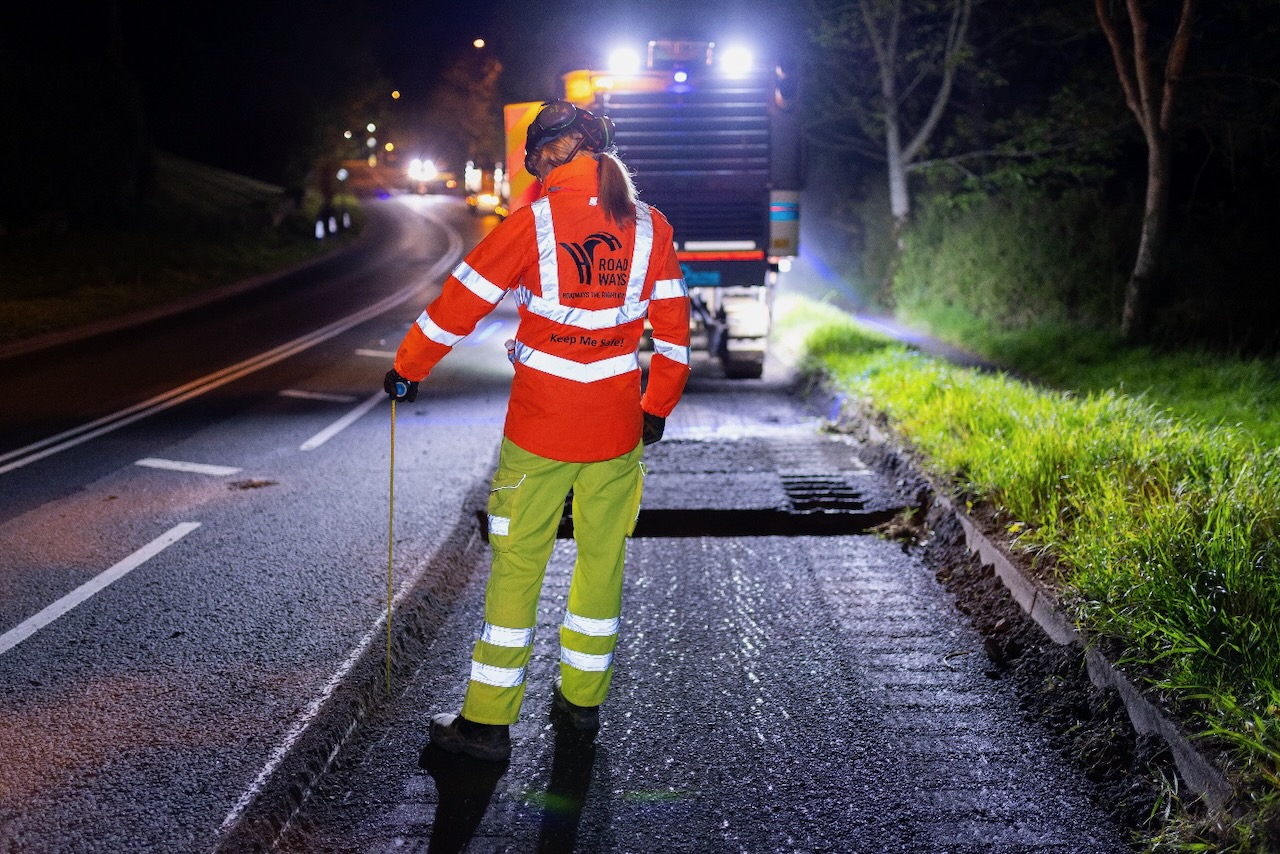
Cold bitumen emulsion-based asphalt has been deployed by Roadways as a low-carbon, like-for-like replacement for conventional hot asphalt on a National Highways scheme, with no departures from existing specification. The emulsion mix is produced and laid at significantly lower temperatures than traditional 160–180°C hot-mix, cutting burner fuel use and associated CO₂ emissions while maintaining standard binder and aggregate grading requirements. For pavement designers and contractors, this signals growing scope to decarbonise surfacing works without redesigning layer thicknesses or seeking new approvals.
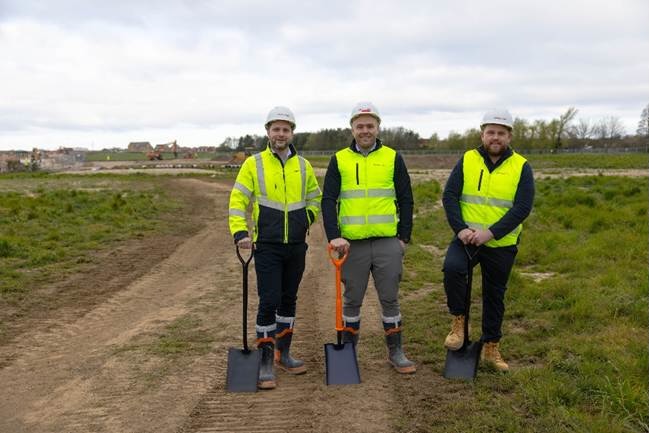
Redrow South East has broken ground on its Heritage Fields scheme in Sittingbourne, a 88-home development comprising 82 private and six affordable units as part of a wider growth masterplan. Barratt Redrow has committed over £10m through section 106 obligations to fund local infrastructure, education, healthcare and youth services, signalling substantial off-site works alongside the housing. Homes combine Arts and Crafts-inspired architecture with air source heat pumps and underfloor heating, indicating a fabric-and-systems approach to low‑carbon residential design.
Willmott Dixon has secured a £61m Department for Education contract to rebuild Mosslands School in Wallasey on a 19-acre site, delivering a three-storey main block for up to 1,500 pupils plus two sports halls, a replacement all‑weather pitch, a multi‑use games area, new car park and cycle parking. The scheme will create a net zero carbon in operation campus using extensive photovoltaic panels, air source heat pumps and ground source heat pumps. Completion is scheduled for 2028 and includes full demolition of the existing school buildings, with associated site clearance and services reconfiguration.
R-evolution, Hexagon’s green-tech subsidiary, has begun its first missions using hybrid airborne imagery and LiDAR over a Vale legacy mine site as part of the Hexagon Green Cubes digital twin programme. The system fuses high-resolution optical data with LiDAR-derived elevation models to capture complex topography, waste dumps and water bodies in a single georeferenced dataset. For mine closure and reclamation teams, this enables more accurate volumetrics, subsidence detection and slope stability assessment than conventional photogrammetry alone.
Construction’s role in more than one-third of UK carbon emissions is widely acknowledged, but its contribution to acute silt pollution from earthworks, dewatering and runoff from haul roads and stockpiles is still largely overlooked. Fine sediment washed from sites into watercourses can smother spawning gravels, clog culverts and foul SuDS assets, often breaching Environment Agency permits and triggering costly stop-work notices. The piece calls for more rigorous use of silt fences, settlement lagoons and lamella clarifiers, plus better phasing of bulk earthworks to keep disturbed areas and exposed cohesive soils to a minimum.
Major upgrades to the Curzon Street Bridge at Brisbane Markets are underway to improve flood resilience under the $450 million Queensland Resilience and Risk Reduction Program, with funding shared by the Federal and State Governments and Brisbane Markets. The works form part of the Betterment project, targeting critical access to the wholesale precinct that was repeatedly cut during recent major flood events. For designers and asset owners, the project signals continued funding support for hardening key access bridges in flood-prone logistics hubs across Queensland.
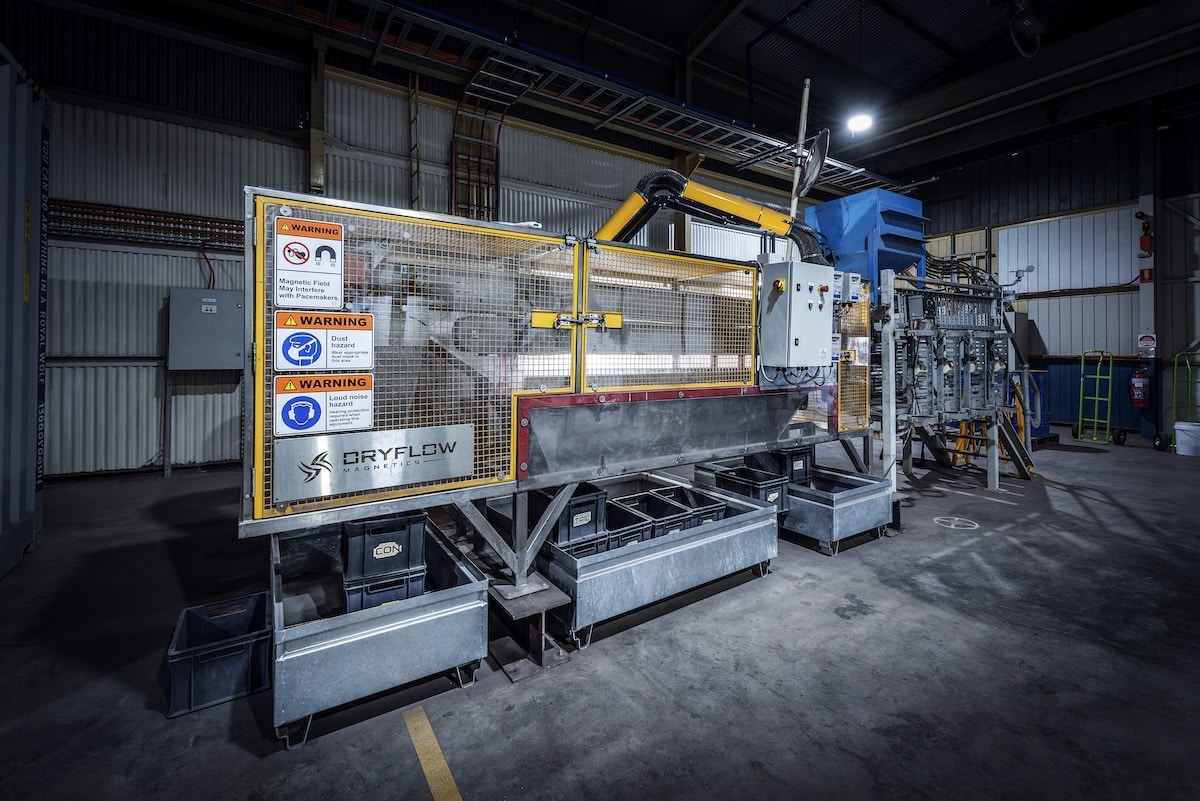
DryFlow Magnetics in Adelaide is fast-tracking a pilot of its dry magnetic separation system to produce high‑purity iron concentrate suitable for green steel, eliminating the need for conventional wet beneficiation circuits. The containerised plant integrates crushers, screens and rare‑earth magnetic separators in a fully dry flow sheet, targeting low‑grade or waste iron ore streams that are currently uneconomic. For mine operators, the key draw is reduced water demand and tailings volume, with potential retrofit to existing crushing plants and brownfield stockpiles.
Aura Minerals has approved full construction of the Era Dorada underground gold project in southeast Guatemala, a 17‑year mine plan for 1.75 million oz gold equivalent with average output of 111,000 oz/y in the first four years. Updated capex is now US$386–453 million, up from an earlier US$236–278 million early‑works estimate, with US$262–314 million allocated to full project expansion while exploration and sustaining costs remain unchanged. The former Cerro Blanco project will stay underground rather than shift to open pit, with specific infrastructure budgeted to address community concerns over water quality.
UK Atomic Energy Authority has set out a 2025–2030 strategy to move UK fusion from experimental facilities like JET and the MAST Upgrade tokamak towards commercially viable power, targeting grid-scale demonstration in the 2040s. The plan centres on the Spherical Tokamak for Energy Production (STEP) prototype plant at West Burton, advanced tritium breeding blanket concepts, and high-heat-flux divertor materials. Civil and infrastructure engineers are flagged for early involvement in designing reactor buildings, remote-handling maintenance halls, and high-capacity grid connections for multi-hundred-megawatt fusion units.
New UK government requirements will end water companies’ self-reporting of pollution and discharge events, mandating near real-time publication of water quality data via open digital platforms. Continuous monitoring using fixed sensors and telemetry, similar to domestic smart meters, is expected to replace periodic grab sampling and paper-based logs on combined sewer overflows and treatment works. For civil and environmental engineers, this shift will expose asset performance data to public scrutiny, tightening compliance risk around CSO design, storm storage capacity and network infiltration control.
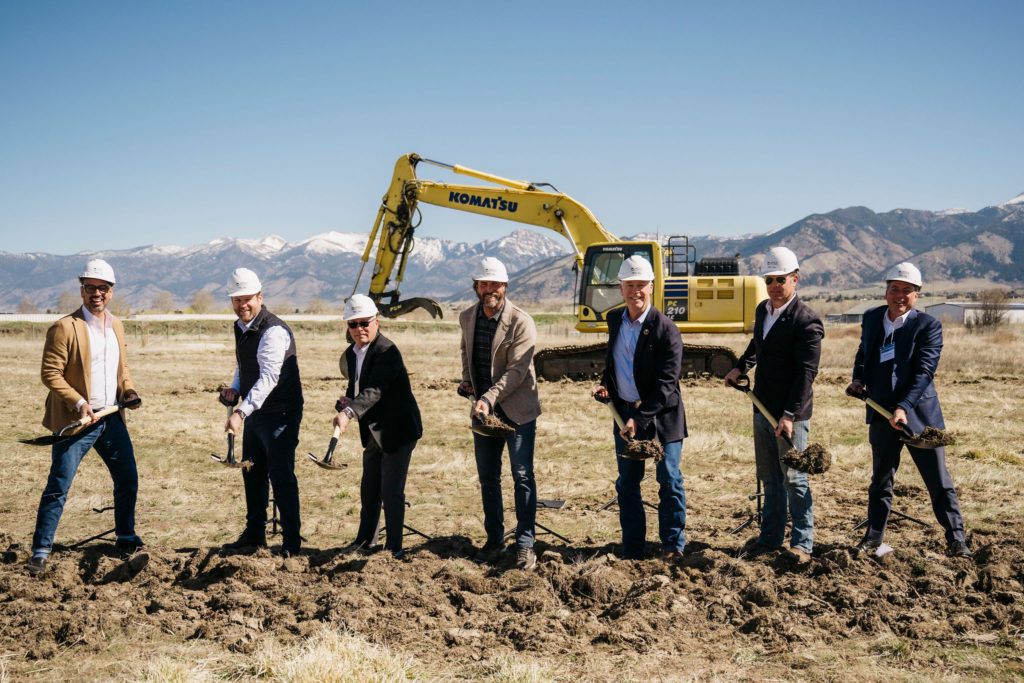
US silicon and germanium producer Lattice Materials has broken ground on an 80,000-square-foot manufacturing facility in Bozeman, Montana, backed by an $18.5 million US Department of War investment to expand domestic photonics-grade optical materials capacity. Scheduled to start construction in May 2026 and complete in 2027, the plant will more than double Lattice’s footprint and add large optical boule growth, expanded internal processing, and higher-precision machining and metrology. New recycling lines will convert scrap into seed crystals, cutting reliance on imported silicon and germanium feedstock.
Eriez will showcase its CavTube column flotation system at CRU Phosphates+Potash 2026, focusing on recovering ultrafine phosphates and potash from tailings streams to improve overall plant performance and water reuse. Global Product Manager – Column Flotation, Michele Tuchscherer, will present a technical paper on “Sustainable Slimes Beneficiation”, detailing how column flotation can treat slimes fractions that are typically lost to tailings. For process engineers, the pitch centres on higher ultrafines recovery, reduced tailings volumes and more efficient reagent and water utilisation in existing circuits.
Morro has handed over the first 14 of 52 homes in its £12.6m London Road brownfield redevelopment in Daventry, delivered with EMH Group and backed by Homes England, with all units specified with rooftop solar and EV charging. The project diverted more than 60 tonnes of hard‑to‑recycle waste from landfill and reused materials from the former site, adopting a circular construction approach and donating surplus offcuts to workshops at HMP Onley. Delivery also included 312 weeks of apprenticeships, 52 weeks of accredited training and 30 supply‑chain roles, alongside five direct site hires.
Steico has appointed Andy Cook and Pete Kelly as specification managers to expand use of its wood fibre insulation systems ahead of the UK Future Homes and Building Standards. The pair will support architects, housebuilders and contractors with project-specific design, U‑value and moisture calculations, modelling and installation guidance for rigid boards, flexible batts and air‑injected wood fibre products in both new build and retrofit. Cook brings joinery, site management and energy‑efficient construction experience from Ecological Building Systems and Verdancy Group, while Kelly adds 25 years’ experience including bio-based materials work at Adaptavate and CPD delivery.
SKF is pushing condition-based maintenance in Australian mines by combining bearing remanufacturing, vibration and temperature monitoring, and root-cause failure analysis on critical assets such as conveyors and grinding mills. Using connected sensors feeding into its cloud-based diagnostics platforms, SKF engineers can flag lubrication issues, misalignment and contamination early, then specify upgraded seals, housings or heat-treated bearing steels tailored to each duty. The approach extends bearing service life, cuts unplanned stoppages and allows mines to defer capex on large rotating equipment while maintaining throughput.
Fortescue Ltd is accelerating delivery of what it calls the world’s first industrial, fully integrated green energy grid designed to eliminate fossil fuels from large-scale operations, at a scale comparable to a city. The system is being engineered specifically to remove diesel from mining and heavy industry energy use, replacing it with renewables-based power and associated infrastructure. Fortescue plans to replicate and commercialise the grid technology at other industrial sites globally wherever host operators or governments invite deployment.