Geomechanics, Streamlined.
© 2026 Geomechanics.io. All rights reserved.
Rising resource nationalism and expropriatory measures in African cobalt, copper, gold and lithium projects are driving more investor–state arbitrations, but investors often doubt they can monetise awards against states with limited attachable foreign assets and constrained reserves. Hogan Lovells’ Markus Burgstaller and colleagues with Kroll urge integrating arbitration counsel and asset tracers from the outset to map non-immune assets, using London’s courts and financial infrastructure to target bank accounts, commercial property and bond payment flows. They stress politically sensitive assets, coordinated reputational pressure on lenders and markets, and timing enforcement around government changes to force negotiated settlements rather than purely symbolic seizures.
A coalition of environmental and heritage charities, including the National Trust and RSPB, is urging the UK government to “reset” its pro-development revisions to the National Planning Policy Framework before final decisions this summer. The groups argue that proposed changes to housing delivery tests and presumption in favour of sustainable development could weaken protections for Sites of Special Scientific Interest and conservation areas. For civil and infrastructure schemes, this signals potential shifts in planning risk, environmental assessment scope and mitigation requirements on greenfield and sensitive sites.
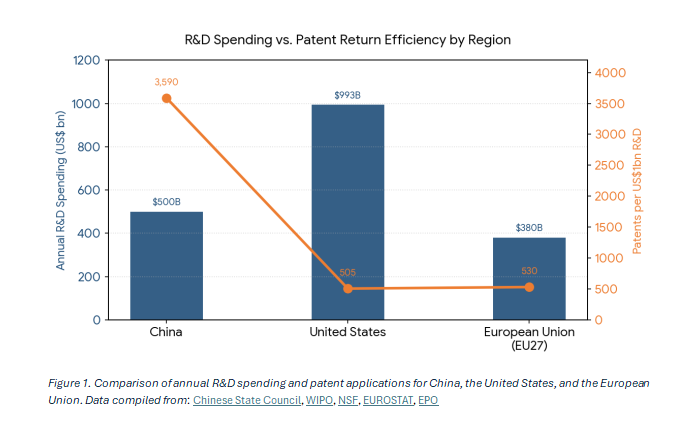
Europe’s critical minerals shortfall is framed by economic geologist Dr Nicholas Vafeas as a policy choice, with the EU funnelling roughly €380 billion per year into tightly scripted, mission-oriented R&D that favours climate and digital themes but leaves little room for speculative processing, refining and separation technologies. On a comparable $500 billion R&D spend, China files about 1.8 million patents—over 3,500 per $1 billion—buying “optionality” in areas like graphite processing, rare earth separation and lithium refining long before they became strategic. For miners and processors, the message is that control over midstream capabilities, not just new deposits, will define Europe’s leverage in future supply chains.
Western Australia has completed a major overhaul of its digital environmental approvals system for mining and petroleum, with the final release of the Resources Online platform now live. Core environmental lodgements have been migrated from the legacy Environmental Assessment and Regulatory System, consolidating submissions, tracking and regulator interactions into a single online interface. Operators can now lodge and manage mining proposals, environmental plans and compliance reports digitally, which should shorten approval timelines and give project teams clearer visibility of assessment status and information requests.
Japan’s Ministry of Economy, Trade and Industry plans to rebuild between two and five nuclear reactors in the 2040s, rising to a total of 11–14 units by the 2050s as part of its long-term power mix strategy. The programme will focus on replacing ageing plants built mainly in the 1970s–80s with new-generation reactors designed for higher seismic resistance and improved passive safety systems. Civil and geotechnical teams can expect major foundation upgrades, tsunami and flood defences, and extensive seismic retrofitting at existing coastal sites.
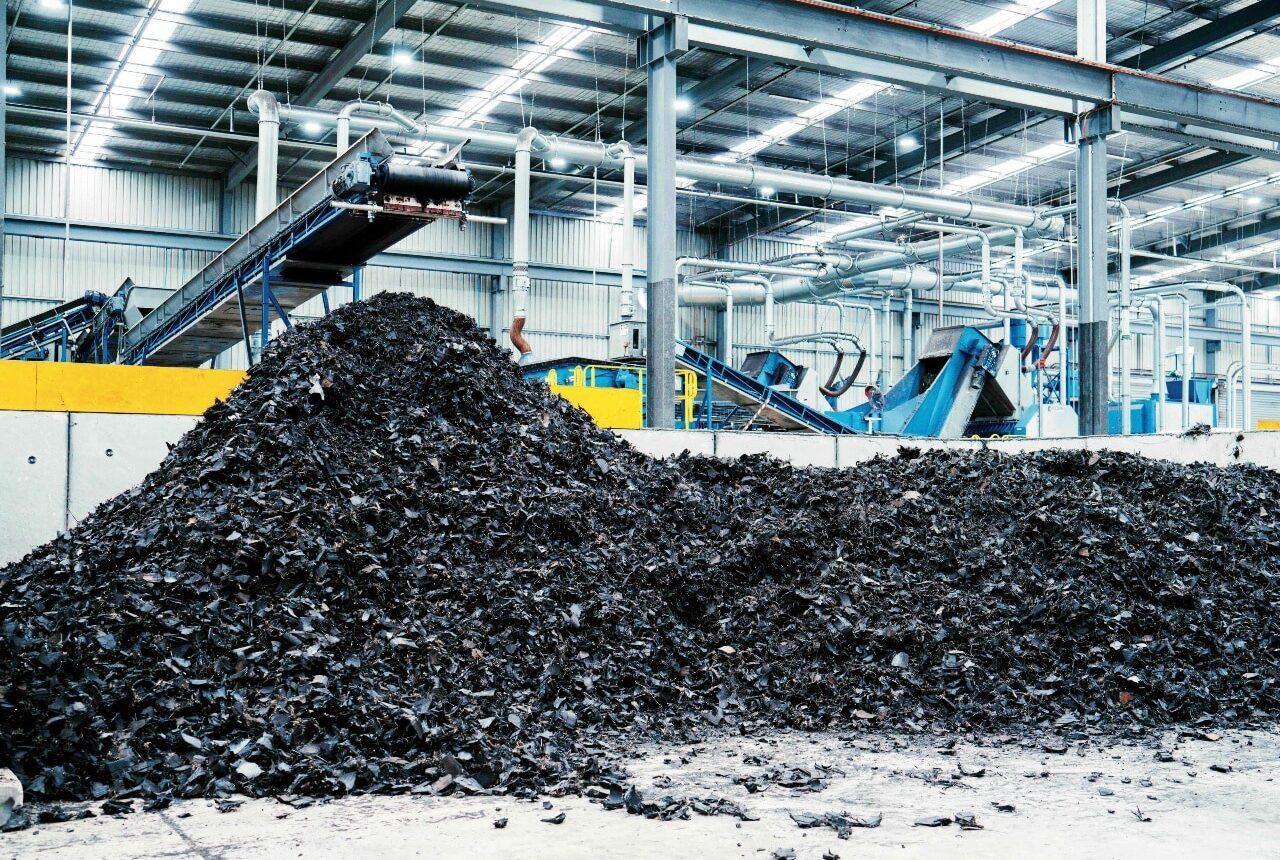
Tyrecycle Chief Executive Officer Jim Fairweather is urging stronger government procurement of recycled rubber products and market-based regulation in evidence to the federal parliamentary inquiry into Australia’s tyre industry. Fairweather wants policy settings that favour domestic processing of end-of-life tyres into crumb rubber and tyre-derived fuel rather than landfilling or export, stating the company’s goal is that “not a single tyre” is dumped in Australia. For road authorities and civil contractors, any mandated uptake could expand supply of rubber-modified asphalt and engineered fill using tyre-derived aggregates.
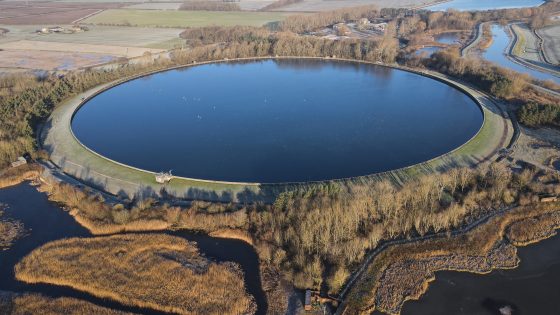
The Regulators' Alliance for Progressing Infrastructure Development (Rapid) has opened a consultation on expanding its remit in planning and consenting major water infrastructure in England. Proposals would extend Rapid’s current focus on strategic water resource schemes to a wider range of large-scale assets, potentially including new reservoirs, inter-regional transfer pipelines and associated treatment works. For engineers, a broader Rapid role could change programme risk profiles, front‑end design timelines and regulatory interfaces for multi‑billion‑pound water projects in AMP9 and beyond.
Western Australia’s mining industry bodies have backed Glen Kelly’s review of the state’s native title and cultural heritage processes, which was tabled in the WA Parliament and targets reduced duplication between the Aboriginal Heritage Act 1972 and Native Title Act 1993 approvals. The review recommends clearer timeframes and a single, streamlined consultation pathway for Traditional Owners and project proponents, replacing overlapping heritage surveys and parallel negotiations. For miners, the changes promise more predictable project schedules and lower legal and compliance risk without removing existing heritage protections.
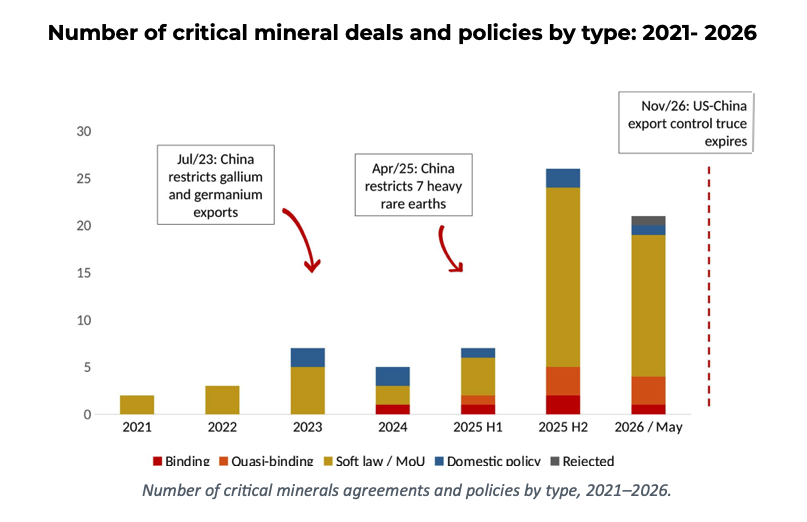
More than 70 critical minerals agreements have been signed since 2021, but over 60% are non‑binding frameworks without concrete investment, production, procurement or financing commitments, leaving China’s 60–90% control of rare earths refining and other midstream capacity largely unchallenged. The US has inked over 20 deals in 18 months and launched initiatives such as FORGE and the US‑EU‑Japan framework, yet only a handful are legally binding, creating a gap between diplomatic ambition and bankable project support. Africa, despite holding over 60% of global cobalt reserves, features in relatively few agreements, with contrasting cases such as a binding US‑DRC cobalt deal and Zambia’s rejection of proposed US conditions signalling producer countries’ growing leverage to demand local processing, infrastructure and policy flexibility.
China has confirmed that its January export ban on dual-use rare earth products for Japanese military use remains in force, despite a reported US request to resume sales over technology supply chain concerns. Foreign ministry spokesperson Lin Jian said rare earths stay classified as “dual-use materials” under Chinese law and linked the move to containing Japanese remilitarisation and nuclear ambitions, even as customs data show overall Chinese rare earth exports hitting a four‑month high in May but still below last year. Japan is responding by building alternative supply, including a A$1.6 billion rare earths deal with Australia and a “trilateral buyers” club with France and Canada.
The US House has passed H.R. 7037, the DOMINANCE (Developing Overseas Mineral Investments and New Allied Networks for Critical Energies) Act, aimed at cutting reliance on China, which currently controls about 90% of global rare earth processing capacity. The legislation focuses on overseas strategic mineral investments with allies, expanded energy diplomacy, and workforce development to support mining, processing, refining, and recycling. Backers include the National Association of Manufacturers, the Information Technology Industry Council, SAFE’s Center for Critical Minerals Strategy, and the US-ASEAN Business Council.
Charities in the Better Planning Coalition, including the RSPB, Woodland Trust and CPRE, have urged the Prime Minister to reset planning reforms ahead of this summer’s National Planning Policy Framework (NPPF) decisions. Their letter backs measures on compulsory purchase, curbing “hope value”, expanding public bodies’ land assembly powers and enforcing build‑out of consented schemes, alongside extra funding for social and affordable homes. They warn that repeated weakening of planning policy is driving speculative, poor‑quality development in unsuitable locations while major housebuilders cut output amid higher costs and weak demand.
Wales’ new deputy transport minister has written to Great British Railways Transition Team chair Heidi Alexander calling HS2 a “long-standing symbol of unfair rail funding” because the high-speed scheme is classified as an “England and Wales” project despite no HS2 track being built in Wales. He argues this designation blocks Barnett consequentials that could otherwise support upgrades on core Welsh routes such as the South Wales Main Line and the Valleys network. The row intensifies pressure over how multi‑billion‑pound rail megaprojects are accounted for in UK transport budgets.
The Pan Government Collaborative Agreement has awarded £3.5bn of UK public infrastructure work on 8 April 2026 without naming a single supplier, using Section 94 provisions to keep bidder identities confidential at framework award stage. This anonymity shifts early-stage qualification towards generic capability criteria and financial standing tests rather than project-specific track records on, for example, complex tunnelling, major earthworks or long-span bridge construction. Contractors and consultants may need to rely more on consortium structures and pre-agreed data-sharing protocols to prove competence once call-off competitions begin.
SNIPEF, the Scottish and Northern Ireland Plumbing Employers Federation, has elected Dundee-based contractor Steve Craig as its 102nd president for the 2026/27 term, drawing on a career that began with an apprenticeship at Munro Petrosea in 1979 and the co-founding of APS Dundee Ltd in 2012. Craig plans to prioritise apprenticeship reform and funding, particularly for SME plumbing and heating firms that carry most of the recruitment and training burden. He will use SNIPEF’s existing research and ongoing government engagement to push for changes in apprenticeship support, skills and competence frameworks linked to net-zero building services.
Architects Registration Board chair Alan Kershaw has been reappointed by the Privy Council for a further two-year term as the regulator continues a major overhaul of UK architectural practice. Since his initial appointment in 2020, ARB has redesigned initial education and training routes, introduced a mandatory CPD scheme, updated its Code of Conduct and agreed mutual recognition and MoU frameworks with several non-UK jurisdictions. The next phase centres on embedding these regulatory changes while responding to technological shifts and evolving public expectations across the built environment.
Former CIA officer David J. Rush has been charged with theft of public funds after FBI agents found 303 gold bars worth about $40 million, plus roughly $2 million in cash and dozens of luxury watches, hidden in his Virginia home. US officials say Rush fabricated a “special access program” and a “made-up contract” to persuade at least two CIA colleagues to transfer cash, foreign currency and tens of millions of dollars in gold bars between November 2025 and March 2026. His lawyer claims the case is really about $65,000 in alleged time card fraud and disputes that Rush owned the bullion.
US Ambassador Pete Hoekstra is urging Canada to act as a core US partner on critical minerals, energy and defence, framing a North American “economic fortress” built on Canadian resource endowment and mining expertise, including experience working with Indigenous communities. He cited existing integration such as 3–4 million barrels of oil per day moving from Alberta to the US, growing Quebec–US power interconnections, and Davie Shipbuilding’s expansion into Finland and Texas as models for cross-border industrial projects. Hoekstra warned that Washington is already backing billions of dollars in critical minerals deals with allies like Australia and “is not waiting” if Ottawa hesitates to join US-led frameworks.
MKM Building Supplies chief operating officer Dave Castle has been appointed board adviser to the Builders Merchants Federation, returning to the BMF Board as MKM expands its UK branch network. Castle, MKM’s first-ever COO with over 21 years’ experience in the building materials sector, has been working directly with branch directors, suppliers and customers to support ongoing investment in branches, people and services. His role at BMF will focus on training, safety, government lobbying and promoting careers in merchanting, giving MKM direct input into industry-wide policy discussions.
Resource nationalism is shifting from tax and royalty changes to export bans, production quotas and processing mandates, with China’s October 2025 rare earth export controls framework and the DRC’s 2025 cobalt export ban-turned-quota regime exposing supply chains to abrupt political risk. Indonesia’s nickel export ban has pulled in billions of dollars of downstream smelting and refining, while Vietnam’s ban on raw rare earth exports and Chile’s state-led lithium model tighten state control over value addition. Gibson Dunn warns that stabilisation clauses, force majeure terms and bilateral investment treaties are being stress-tested, making contract design, ownership structures and processing locations as critical as ore grades for lithium and rare earth projects.
ACE Group’s Environmental Industries Commission has issued a policy roadmap urging UK governments to classify nature-based solutions – such as wetlands, urban forests and green roofs – as core infrastructure on a par with roads, rail and engineered flood defences. The plan seeks multi‑year funding, integration into National Policy Statements and Treasury Green Book appraisal, and explicit performance metrics for biodiversity, flood attenuation and urban cooling. For designers and geotechnical teams, this signals stronger policy backing for hybrid schemes combining hard defences with soil‑ and vegetation‑based systems.
The UK Government has released a four‑year Cyber Security in the Energy Sector strategy to harden electricity, gas and downstream oil networks as they become more digital and decentralised. The plan targets operational technology such as SCADA and substation control systems, sets resilience expectations for network operators and generators, and aligns with Ofgem’s cyber resilience guidelines. For civil and energy engineers, this signals tighter requirements on cyber‑secure design of control rooms, grid‑connected assets and data interfaces on new low‑carbon and smart‑grid projects.
Publication of the UK’s proposed seventh carbon budget on 2 June has been welcomed by the Institution of Civil Engineers as a sign that government is maintaining focus on the statutory 2050 net zero target. ICE is likely to press for clearer pathways on embodied carbon in concrete and steel, whole-life assessments for major schemes, and integration with the National Infrastructure Commission’s recommendations. Civil and geotechnical engineers should expect tighter carbon reporting requirements on large projects and stronger scrutiny of design choices affecting operational emissions.
FBI agents have arrested former senior CIA official David Rush after a raid on his Virginia home uncovered 303 gold bars worth about $40 million at current prices, plus $2 million in cash and nearly three dozen luxury watches, many reportedly Rolexes. Court filings allege Rush obtained the bullion by submitting multiple requests for “work-related expenses” between November 2025 and March 2026 and also falsified academic and Navy Reserve credentials to claim tens of thousands of dollars in military leave pay. The case raises fresh scrutiny over traceability and custody controls for government-held precious metals.