Geomechanics, Streamlined.
© 2026 Geomechanics.io. All rights reserved.
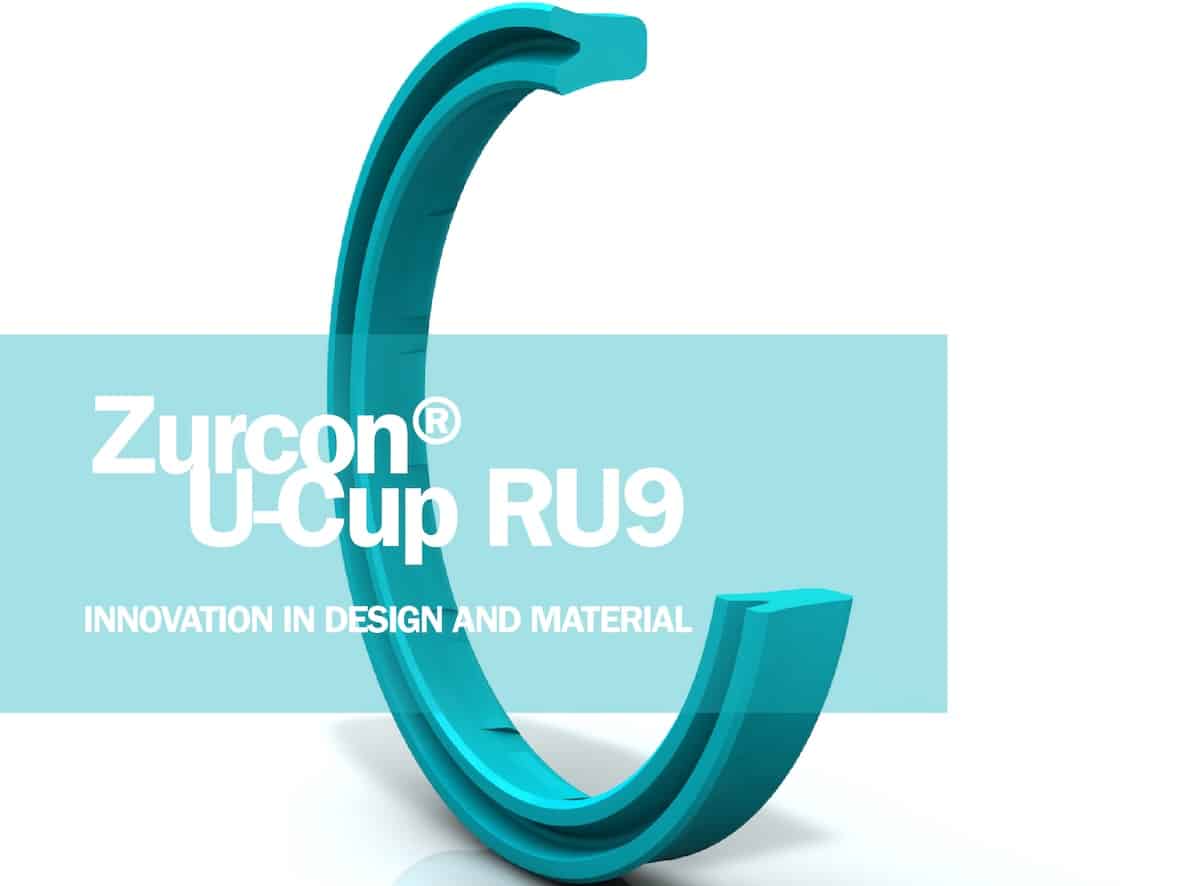
Trelleborg has launched a new inch-size polyurethane sealing line for light-, medium- and heavy-duty hydraulic cylinders, covering piston, rod and buffer seals plus wipers for linear hydraulic applications. The Zurcon RU9 and Zurcon U-Cup RU9 profiles are engineered to retrofit directly into common American groove sizes in OEM and replacement equipment, targeting mining and other mobile hydraulics. For maintenance and design engineers, the inch-based range simplifies specifying high-performance PU seals without re-machining existing cylinder hardware.
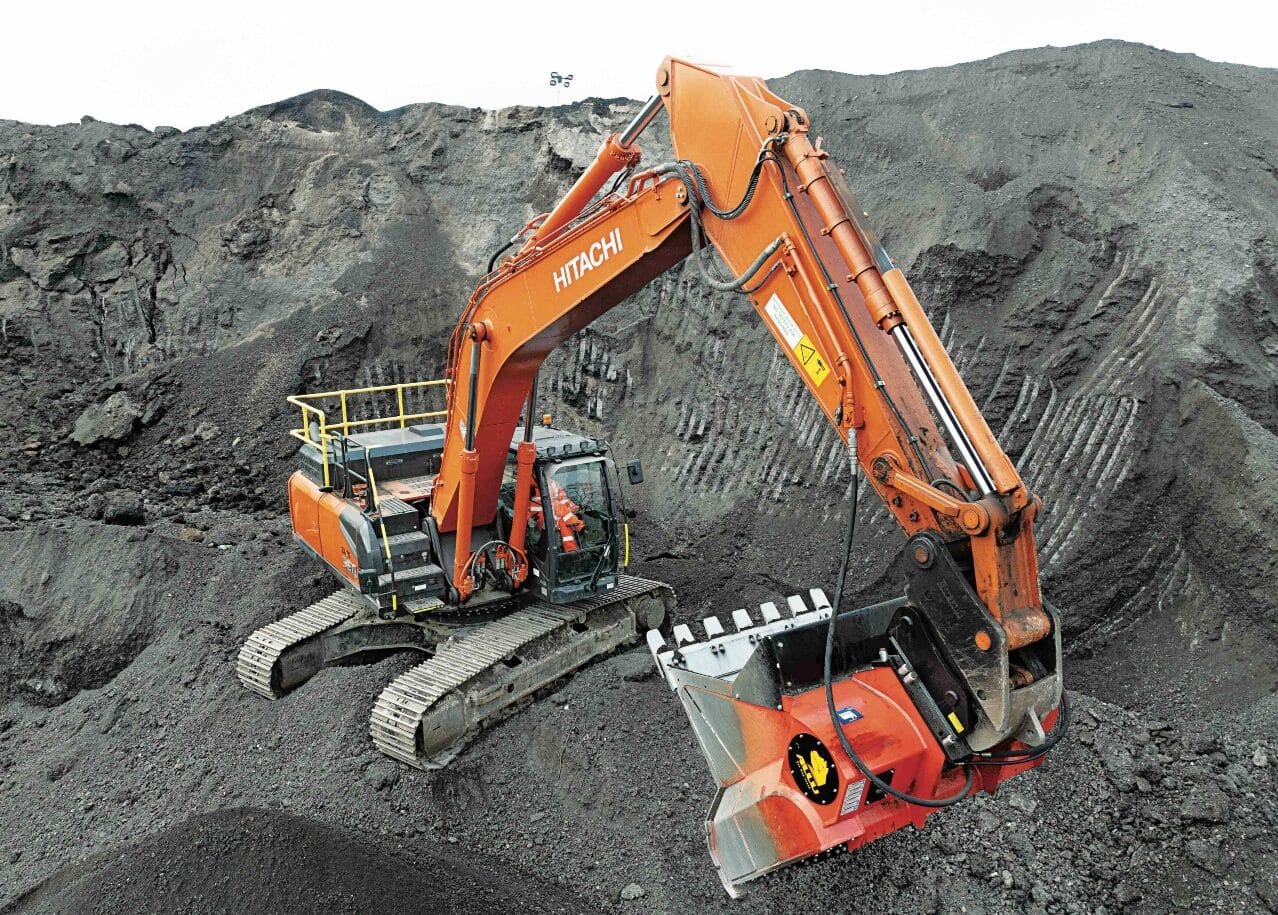
ALLU’s specialised Asphalt Recycling Bucket, designed for attachment to heavy-duty excavators and wheel loaders, screens and crushes cold-milled asphalt and reclaimed asphalt pavement (RAP) in a single pass to produce reusable aggregate on site. Developed over six years by the Finnish manufacturer founded in 1985, the bucket targets waste and recycling applications where mobile plants are impractical or uneconomic. For road contractors and pavement recyclers, the unit reduces haulage of millings, supports higher RAP contents in new mixes, and enables small-batch, on-demand processing at the jobfront.
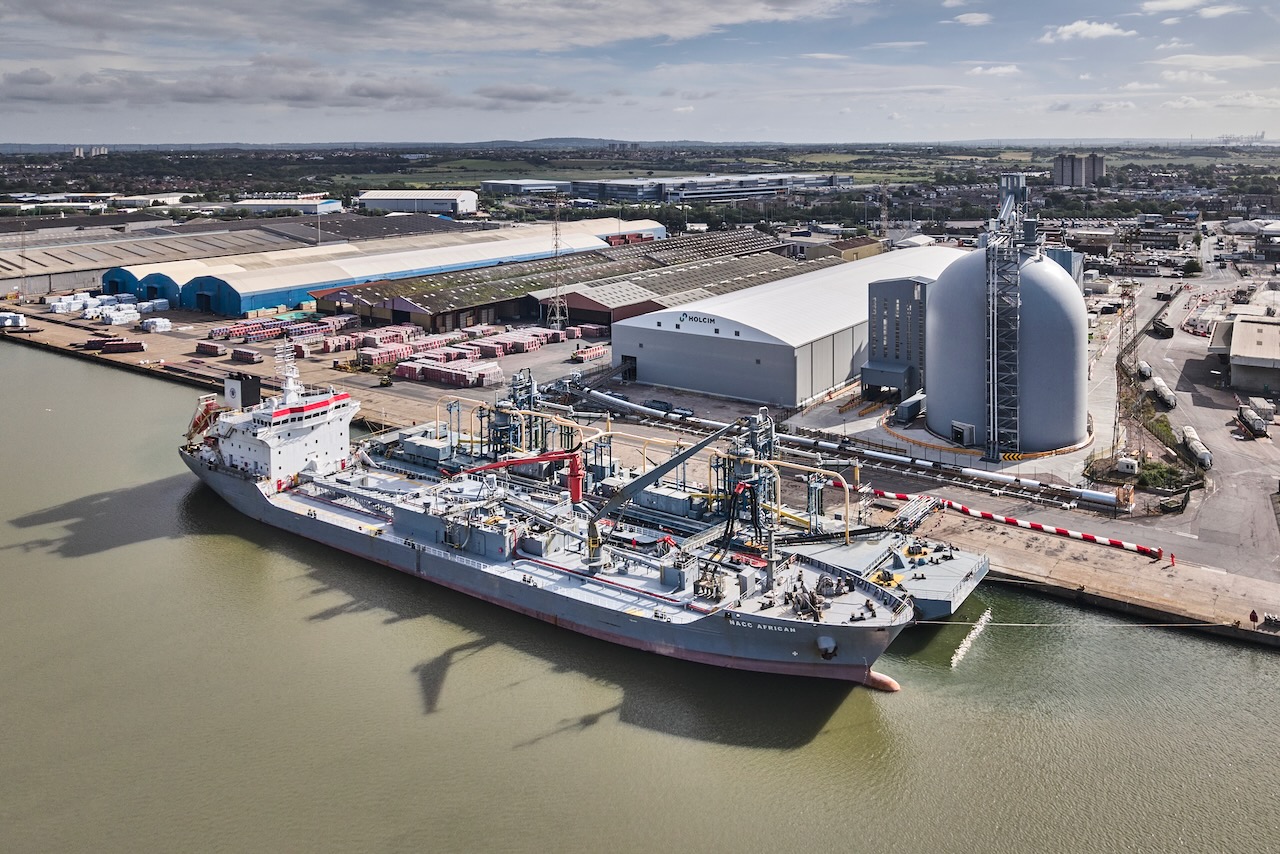
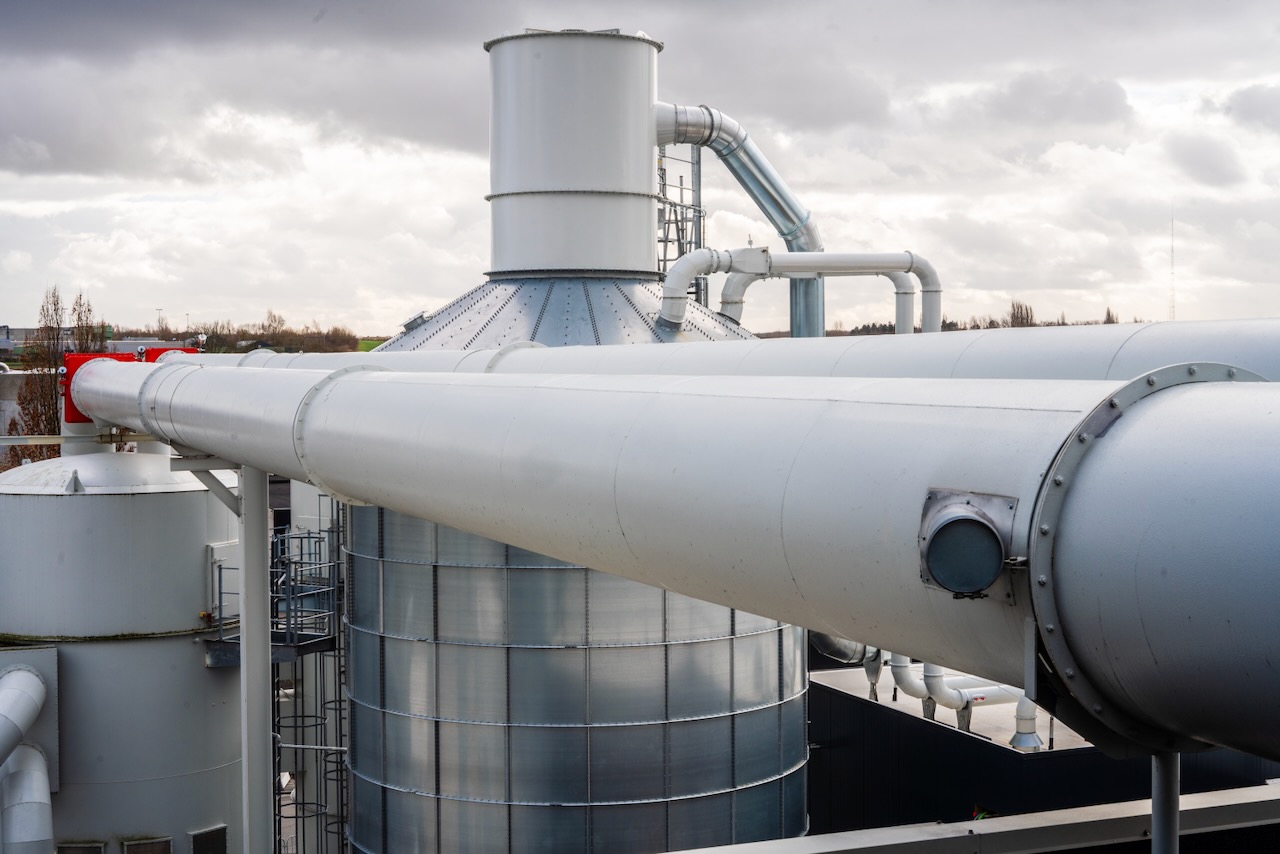
Holcim’s Tilbury Cement Works has begun importing cementitious materials via a deep‑water berth at the Port of Tilbury, using a new ship‑to‑shore conveyor, enclosed belt conveyors and the UK’s first 30,000‑tonne cement dome silo to feed six loading heads and five weighbridges. A vertical roller mill due in late 2026 will grind GBFS and recycled concrete fines to produce GGBFS and blended cements, with ECOPlanet and ECOPlanet with ECOCycle products scheduled for early 2027. The site has been built using circular practices, reusing 25,000m³ of crushed concrete and 10,000 tonnes of reclaimed asphalt.
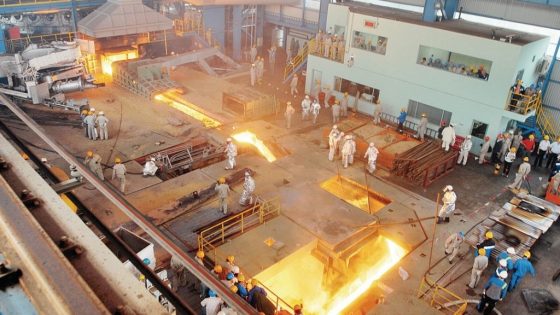
China Baowu and Rio Tinto have completed industrial-scale pelletisation and hydrogen-based shaft furnace trials at Baoshan Iron & Steel’s Zhanjiang operations using Rio Tinto’s Pilbara Blend fines. The campaign tested direct reduction-grade pellets in a shaft furnace charged with hydrogen-rich gas, aiming to validate lower-carbon ironmaking routes compatible with existing Baowu infrastructure. Results will inform process design for future DR-grade pellet plants and potential retrofits of blast furnace–basic oxygen furnace lines in China’s coastal steel hubs.
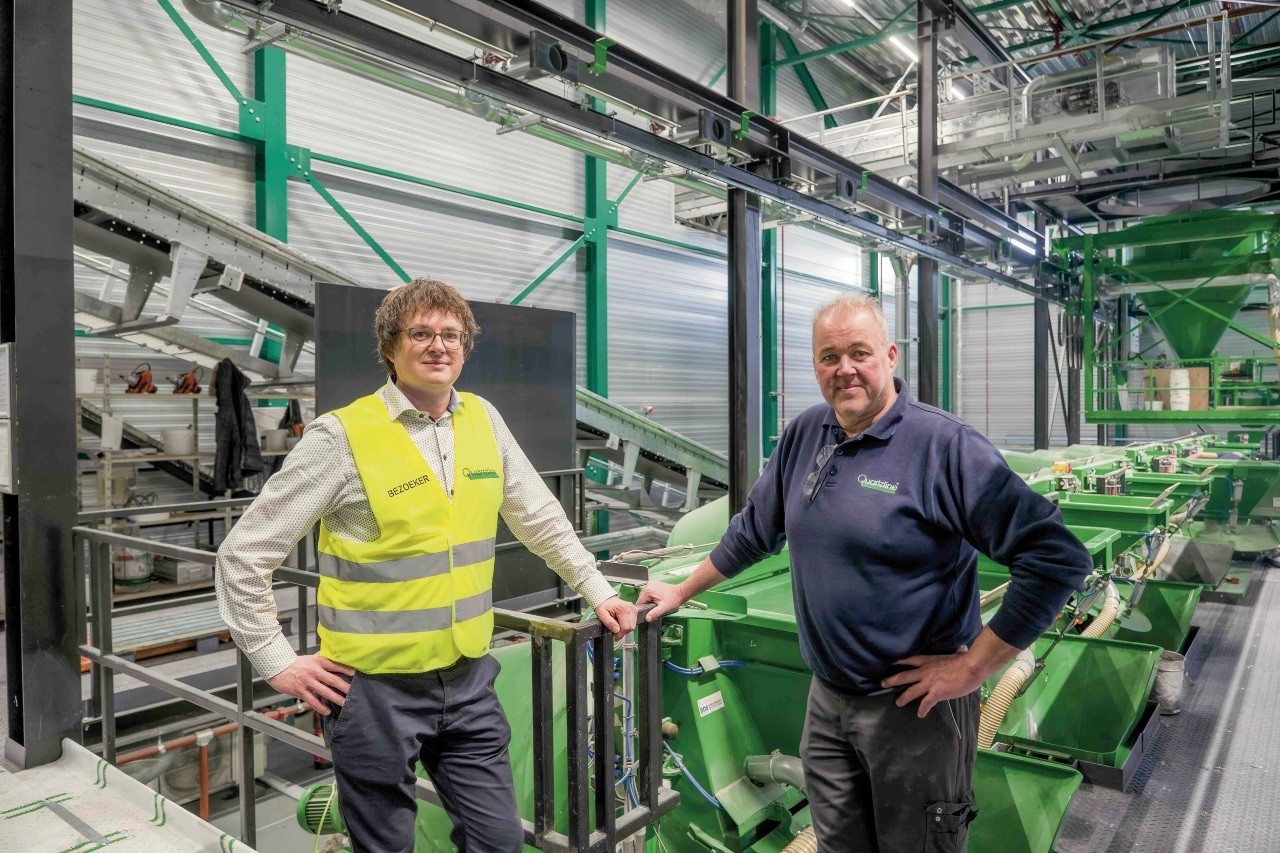
VEGA’s radar level and point level instruments are being used by Dutch floor screed manufacturer Quartzline in Dordrecht to continuously monitor raw material stocks in silos and storage vessels. Non-contact radar sensors and point level switches provide real-time data on resin, sand and filler levels, allowing tighter batching control and reducing manual silo checks and over-ordering. For materials and plant engineers, the case shows how robust level measurement in abrasive, dusty bulk environments can stabilise mix quality and cut inventory and production downtime.
Rio Tinto and China Baowu have completed industrial-scale hydrogen-based direct reduction trials using Pilbara Blend iron ore in a shaft furnace, showing that the mid-grade (~62% Fe) Western Australian ore can achieve metallisation levels suitable for low-carbon DRI. Tests at Baowu’s Zhanjiang base used hydrogen-rich gas in place of coke-based reductants, validating pellet quality, sticking behaviour and gas utilisation under commercial conditions. The work signals that existing Pilbara ore supply chains could be adapted for hydrogen DRI routes, reducing dependence on high-grade (>67% Fe) ores.
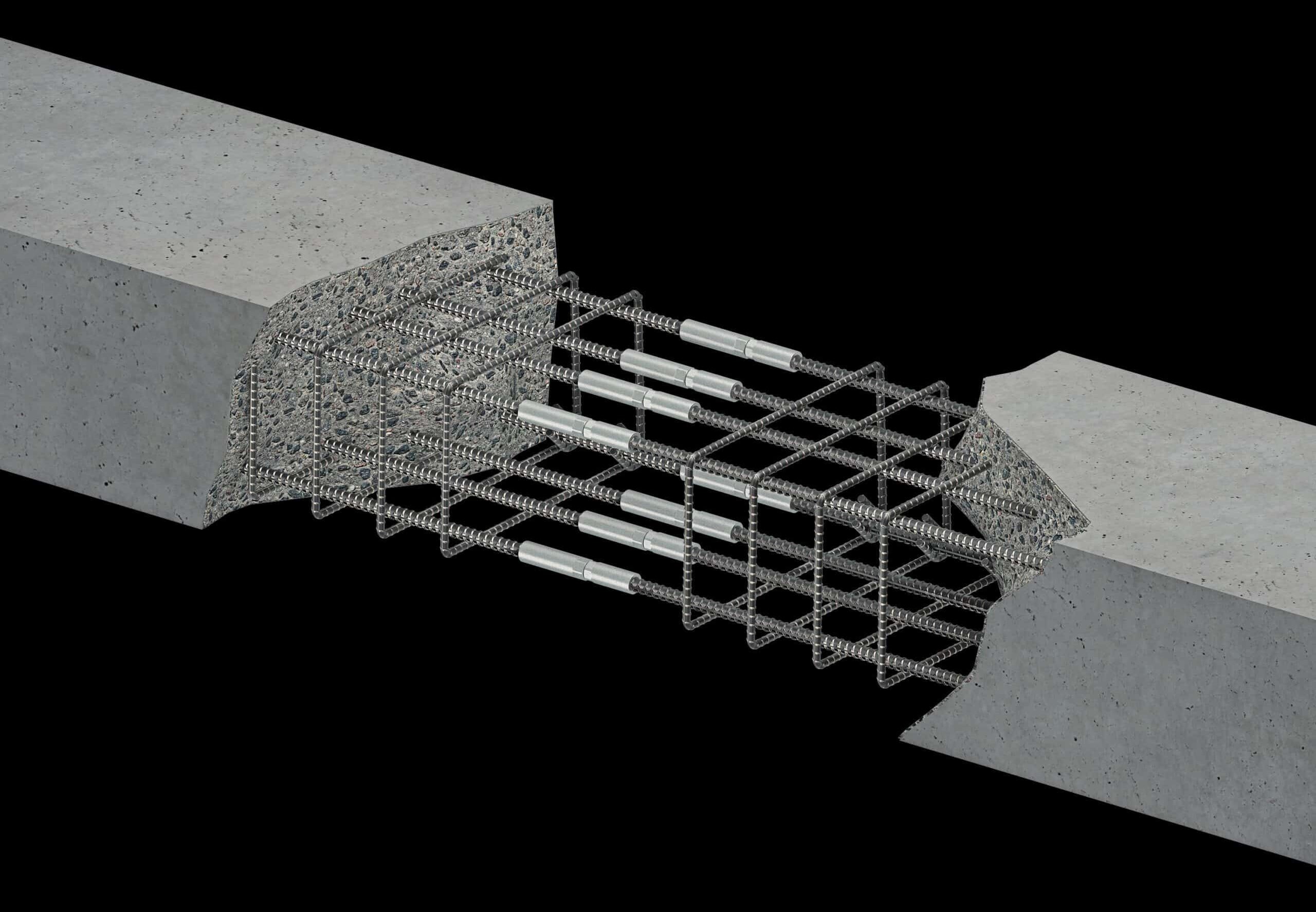
Reid has launched the ReidBar™ TX Coupler, a mechanical reinforcing bar splice system designed to cut installation time and improve constructability on bridge projects while meeting some of Australia’s strictest state road authority specifications. The coupler is engineered for high-strength threaded bar connections, enabling faster bar fixing, reduced congestion at pier and abutment zones, and simplified detailing for heavily reinforced bridge decks. For civil contractors and designers, the system offers a standardised, certifiable alternative to lap splices and site welding, with clear compliance pathways for major infrastructure works.
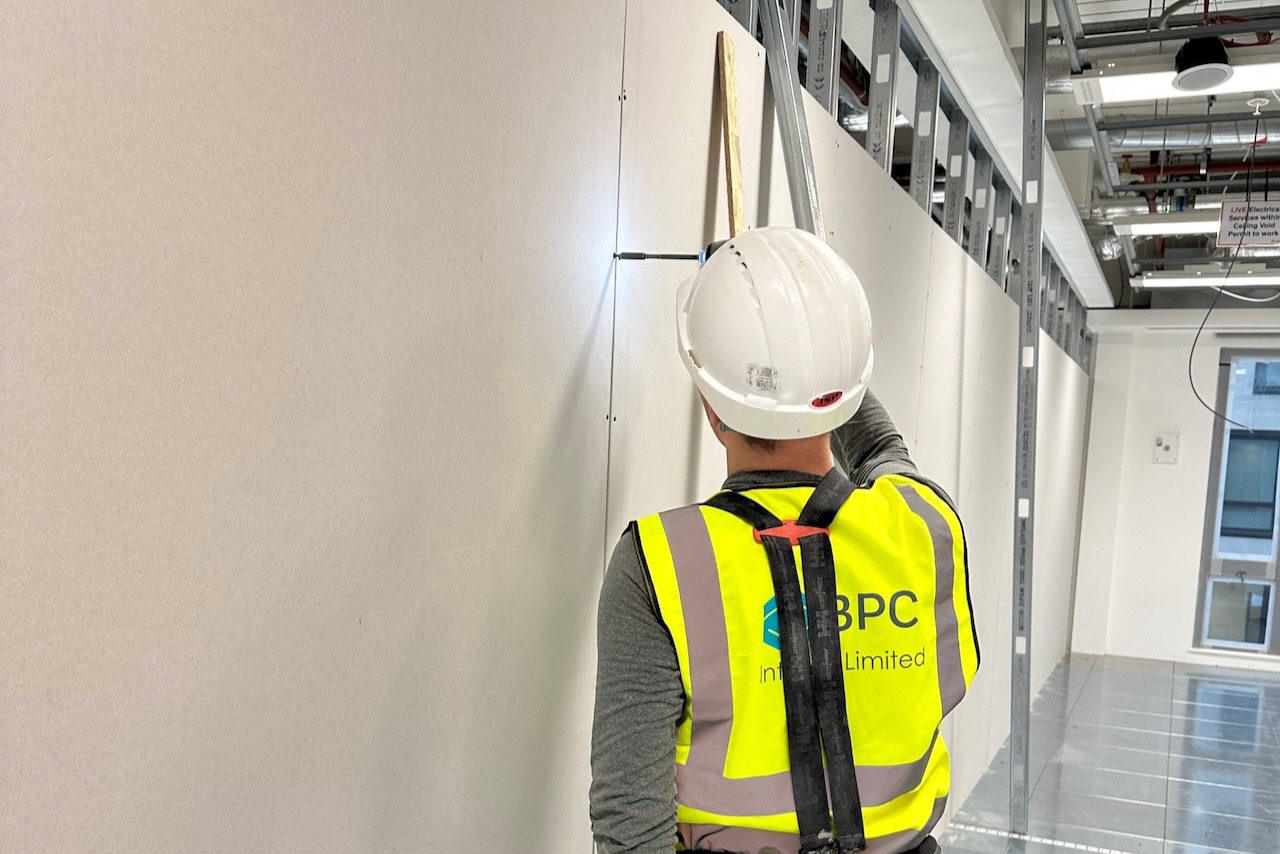
Overbury has installed Adaptavate’s bio-based Breathaboard wallboard at Legal & General’s new London headquarters at 10 Coleman Street, providing a carbon‑storing, compostable alternative to conventional gypsum board. The pilot sits within a deep refurbishment that retains around 95% of the existing structure and integrates low‑carbon systems such as air source heat pumps, supporting L&G’s target of operational Net Zero across its offices by 2030. Adaptavate reports more than 100 projects registered and over £19m in demand via letters of intent and offtake agreements, signalling strong market interest in carbon‑negative fit‑out materials.
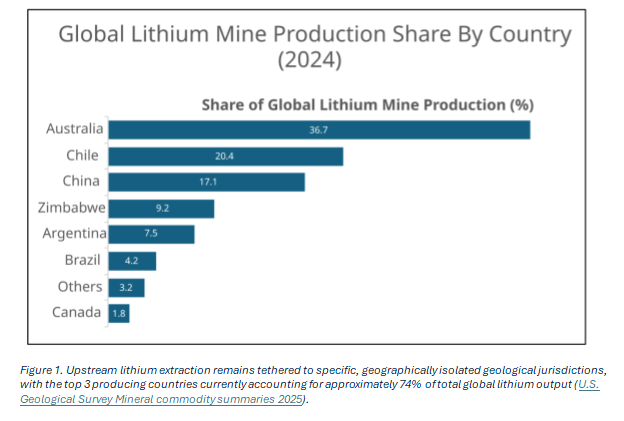
Sodium-ion batteries are emerging as a mass-market option for grid-scale storage and lower-cost urban EVs, with CATL already selling sodium-ion passenger vehicles and utility systems exceeding 1 GWh, but they do not displace lithium in high-energy-density applications. Because sodium is geologically ubiquitous—essentially salt at 2.3% of the crust—the bottleneck moves from scarce deposits like Greenbushes and the Lithium Triangle to midstream processing and gigafactory-scale manufacturing. China now controls over 90% of installed and announced sodium-ion manufacturing capacity, deepening Western dependence despite abundant raw sodium.
Kryton International will debut at EXPONOR in Chile this month, showcasing its Hard-Cem® integral hardening technology already deployed in British Columbia mining infrastructure. Hard-Cem is added directly to concrete to improve abrasion and erosion resistance in high-wear elements such as haul road slabs, ore passes and crusher foundations, aiming to extend service life without increasing cement content. For mine operators, the pitch centres on reduced shutdowns for resurfacing, lower lifecycle concrete volumes and more predictable performance in aggressive, high-impact environments.
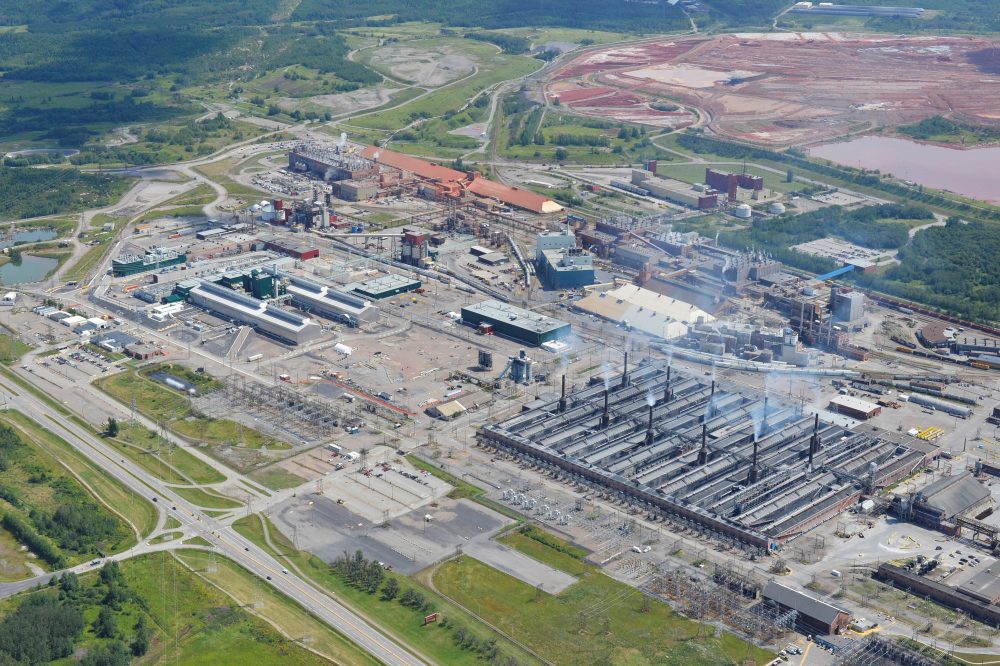
Rio Tinto has begun a $1.5 billion expansion of its AP60 low‑carbon aluminium smelter at Arvida, Quebec, adding 96 new AP60 pots to lift capacity to about 220,000 tonnes per year, a 160,000‑tonne increase. Powered by hydroelectricity, the AP60 process emits about one‑seventh of the global industry average and is expected to cut Rio’s carbon emissions by roughly 290,000 tonnes per year as older Arvida potlines are phased out by next month. The project, backed by up to $113 million from Quebec, has created more than 1,500 construction jobs and will employ about 100 permanent staff, with a nearby recycling facility planned to integrate post‑consumer aluminium.
US efforts to revive primary aluminium hinge on securing long-term, industrial-scale power contracts of 500+ MW per smelter, with advocates warning that data centres and hyperscalers are outbidding producers for grid capacity. Imports of Canadian primary aluminium fell from 2,745 kt in 2024 to 1,950 kt in 2025 after Section 232 tariffs rose to 50%, even as Century Aluminum and Emirates Global Aluminium plan the first new US smelter since 1980 in Oklahoma, still stalled pending a power deal. Rio Tinto’s $1.5 billion AP60 low-carbon smelter expansion in Quebec and EU CBAM-driven demand are meanwhile pulling more Canadian hydropower-based metal towards Europe, risking longer-term diversion of supply away from the US.
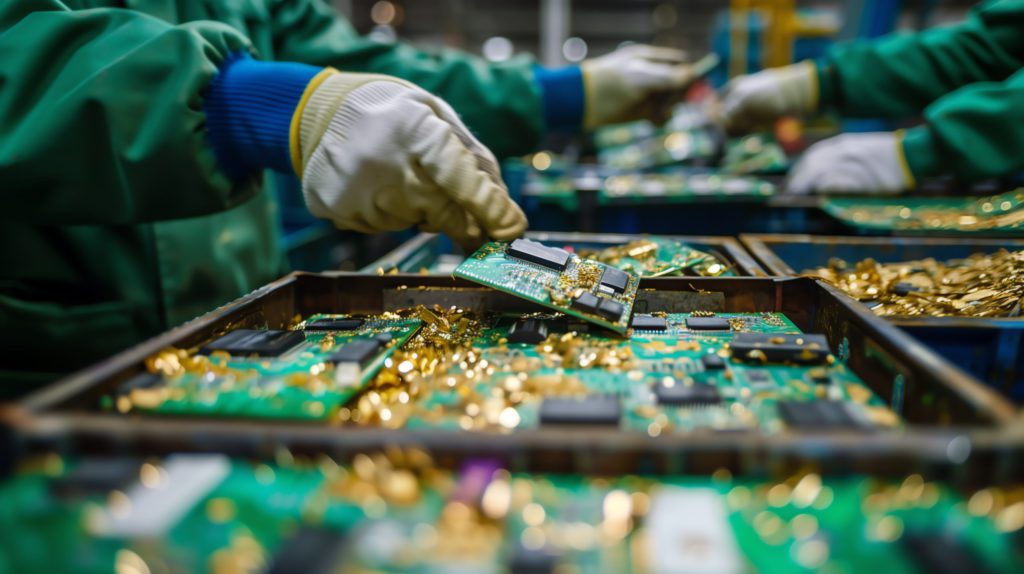
Edinburgh’s Gold Copper Diamide Extraction (GCDE) process has been exclusively licensed to Lithium Universe, enabling low‑temperature hydrometallurgical recovery of gold and copper from e‑waste using small, reusable organic ligands instead of >1,200°C smelting or cyanide and mercury leaching. The diamide “molecular magnet” first targets gold, followed by a selective copper step, delivering high‑purity metals from printed circuit boards where gold and copper content can exceed US$48,000 per tonne at current prices. Lithium Universe will integrate GCDE into its Precious Metals Recycling Division and sub‑licence the technology globally.
Advanced Magnet Lab has secured a US$2 million, two-year Defense Logistics Agency contract to qualify domestically produced high‑grade sintered NdFeB PM‑Wire magnets, including defence‑grade compositions such as N48SH and N35EH. The Florida firm will develop alloying, supply chain management and advanced manufacturing routes to scale permanent magnet production using its PM‑Wire process, which is designed to fit existing magnet‑making lines. AML is also progressing SmFeN, MnBi, anisotropic NdFeB and (Mischmetal‑Nd)FeB magnets, working with Phoenix Tailings, Ionic Rare Earths and Momentum to reduce critical rare earth content and improve material traceability.
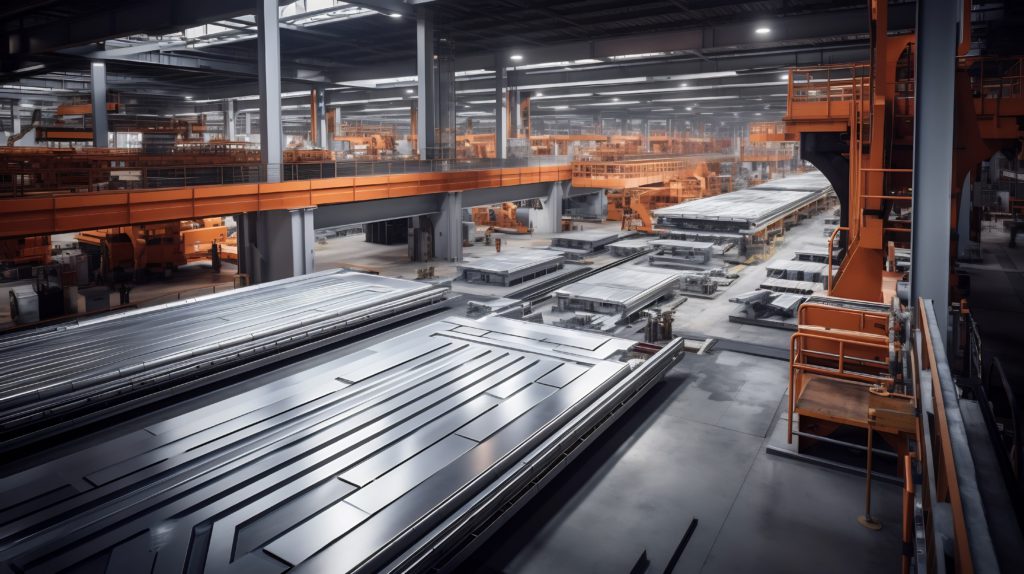
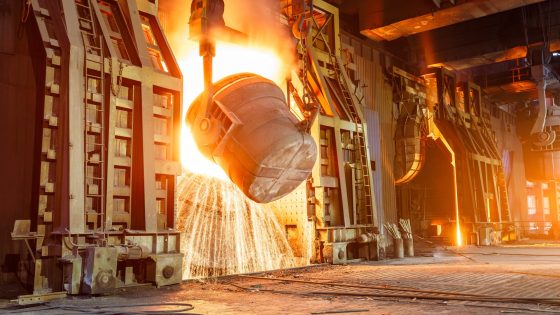
SSAB is investing SEK 3.3 billion over four years in a new quenching and tempering (Q&T) line at its Oxelösund plant to expand production of advanced wear and protection steels, including Hardox 500 Tuf and Armox grades. The Q&T line will be integrated within SSAB’s strategic capex programme and is intended to support higher volumes of ultra-high-strength plate for mining buckets, truck bodies and armour applications. For mine operators and OEMs, this signals increased availability of abrasion-resistant and ballistic-grade steels for lighter, longer-life equipment.
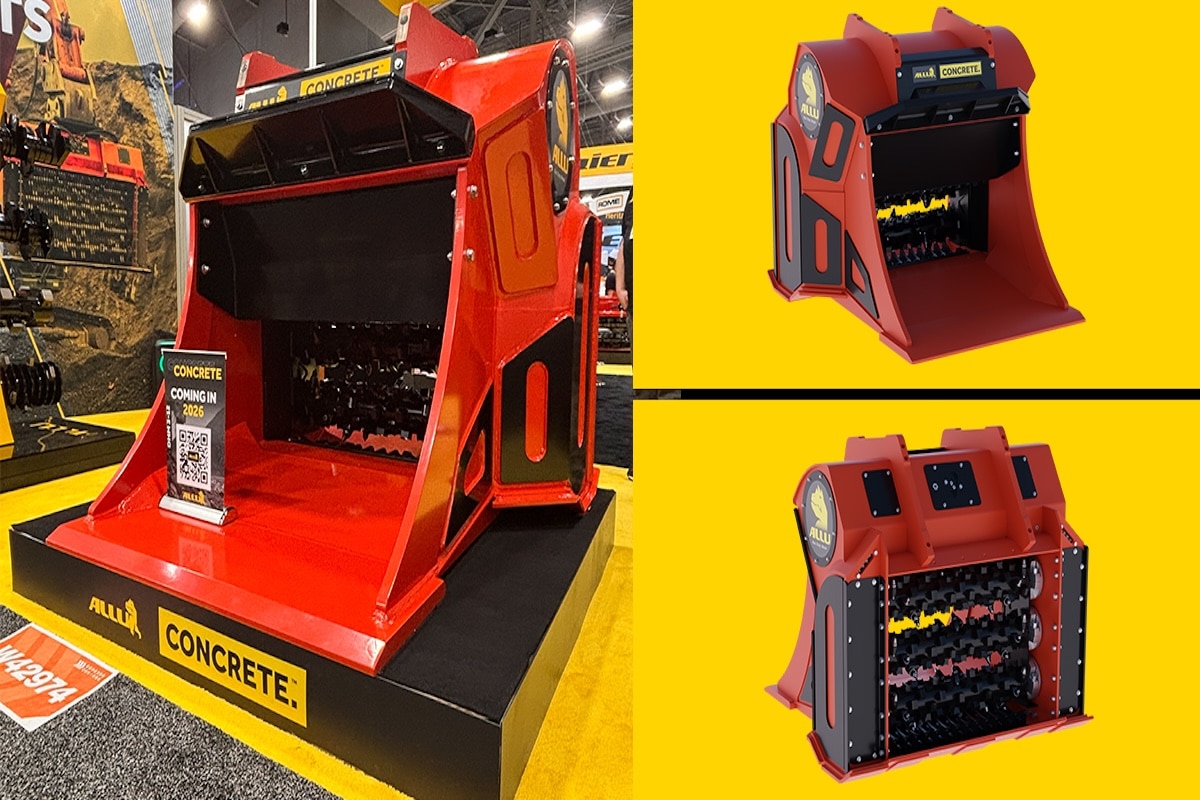
ALLU Group has expanded its material processing bucket line-up with a new concrete screening and crushing attachment aimed at on-site recycling of construction and demolition waste. The unit combines screening and crushing in a single bucket, allowing excavators or loaders to process reinforced concrete, asphalt and rock without separate mobile crushers or screens. For mine and quarry operators, this can reduce haulage of oversize or waste material, cut reliance on fixed crushing circuits, and support backfilling or road-base production directly at the face.
Recticel has commissioned a PIR insulation recycling plant in Wevelgem, Belgium, designed to process up to 4,000 tonnes per year of post‑industrial PIR board offcuts and scrap into recycled polyol feedstock. The recovered polyol, used to manufacture new PIR boards, is expected to cut CO₂ emissions by 30–50% compared with virgin polyol, while reducing primary raw material demand. Boards incorporating the recycled content will be supplied from all Recticel plants, including UK facilities, giving specifiers a lower‑carbon option without changing product families.
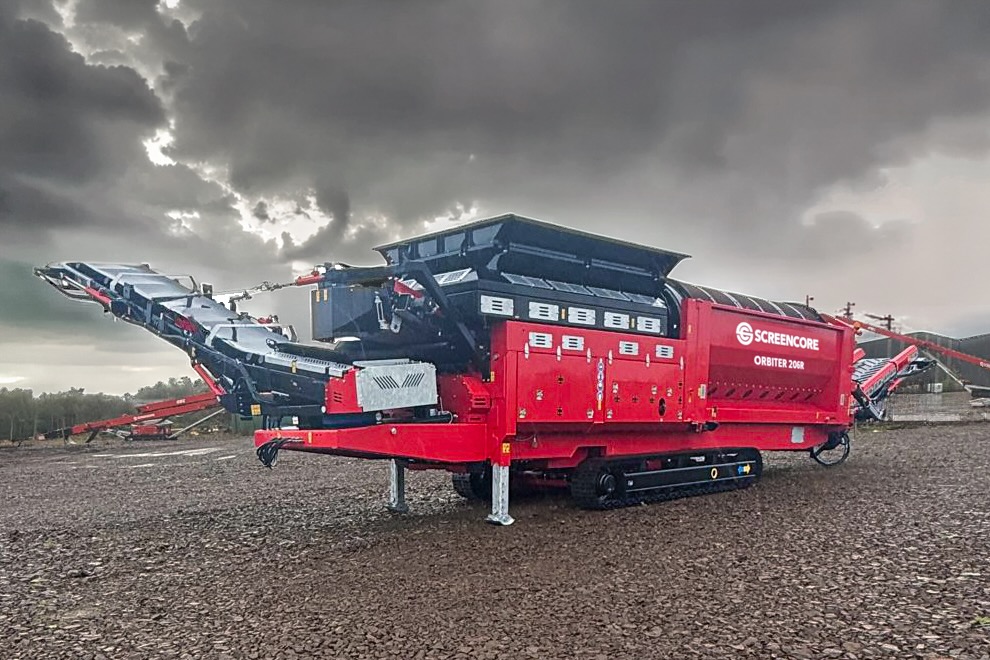
Screencore has launched the Orbiter 206R trommel, a 31‑tonne unit with a 7m³ hopper, 1,200mm heavy belt, and variable feed angle designed to maintain unencumbered material flow. The machine uses independent, radio‑controlled belt speed controls and a large PLC interface with full‑auto functionality, plus a Cat engine on 4m tracks with two‑speed drive and remote control for site mobility. A 180° radial fines conveyor with radio remote and auto‑functionality targets higher stockpile volumes and reduced loader rehandling on constrained sites.
Government plans to nationalise British Steel aim to preserve domestic production of structural sections, plate and rail steel used in major UK infrastructure, but raise questions over long‑term subsidy levels and exposure of public finances. Civil contractors reliant on BS EN 10025 and BS EN 10210 compliant sections could see short‑term supply stability, yet face potential cost volatility if state ownership drives changes in pricing, energy cost pass‑through or decarbonisation investment. The move also concentrates risk for large public works pipelines such as HS2, road bridges and offshore wind foundations.
UK Steel has strongly welcomed the prime minister’s plan to take British Steel into public ownership, calling it a decisive move to secure a “strategically vital” part of the UK steel supply chain. Nationalisation of British Steel’s integrated works at Scunthorpe and associated rolling and finishing facilities is expected to stabilise domestic supply of structural sections, rail and plate for major infrastructure schemes. For civil and geotechnical contractors, a more secure UK steel base could reduce procurement risk on long-lead items and support tighter control of material specifications and certification.
Ionic Rare Earths has led a UK–European collaboration with Less Common Metals, GKN and Ford UK to complete what it calls the Western world’s first end-to-end recycled rare earth supply chain for EV motor magnets, using “made-in-Belfast” long-loop recycling technology. Recycled neodymium, dysprosium and terbium oxides at >99.5% purity were converted by LCM into strip alloy, then into GKN magnets that passed Ford Dunton rotor durability tests with performance equivalent to production magnets. The Belfast commercial recycling plant will feed LCM alloy production for Ford’s UK EV facilities, directly supporting the UK Critical Minerals Strategy target of sourcing 20% of mineral needs from recycling by 2035.
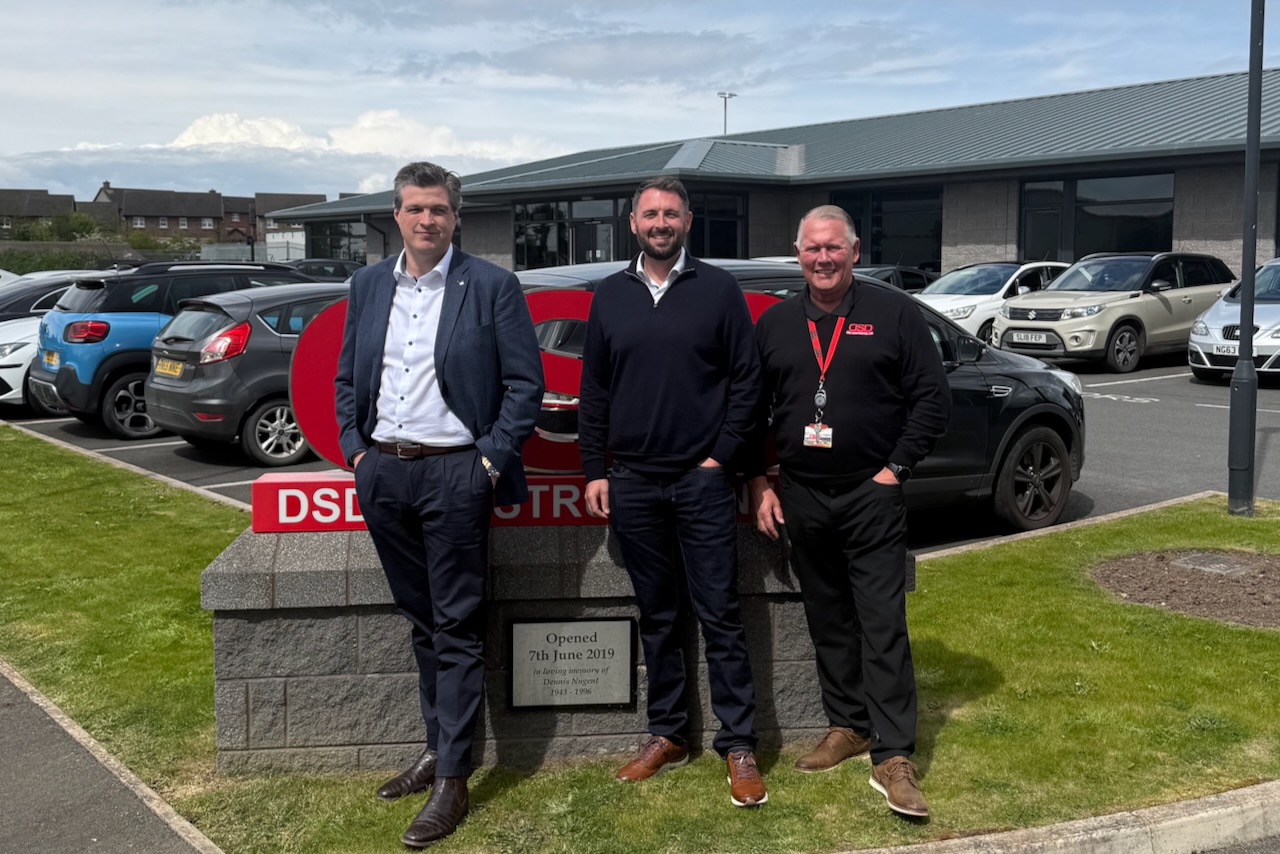
Fox Group has acquired surfacing contractor DSD Construction and concrete producer Moore Readymix, in a Stellex Capital Management-backed deal aimed at building a circular economy-focused construction materials business. The move expands Fox’s footprint in asphalt surfacing and ready-mixed concrete supply, integrating upstream materials with contracting services. For civil and highways projects, the combined group signals tighter control of aggregates, asphalt and concrete logistics, with potential for increased use of recycled materials in pavements and structural concrete mixes.
Urenco has completed a UK trial to produce Europe’s first batch of LEU+ nuclear fuel, enriched above conventional low-enriched uranium yet still below the 20% U‑235 threshold, for use in existing gigawatt-scale reactors and planned small modular reactors. The higher assay fuel is designed to extend fuel cycle length compared with standard LEU, potentially reducing refuelling outages and spent fuel volumes per megawatt-hour. For civil and nuclear engineers, LEU+ could influence core design margins, outage scheduling, and long-term storage and transport requirements for higher-burnup fuel.
Norwegian synthetic graphite producer Vianode has signed a Letter of Intent with South Korea’s JR Energy Solution to supply anode-grade synthetic graphite for EV and stationary storage batteries, initially from the Via ONE plant in Norway and later from the planned large-scale Via TWO facility in St Thomas, Ontario. The partners will run joint product validation and qualification programmes and work on supply chain integration to deploy Vianode’s low-emission synthetic graphite technology. With more than 95% of synthetic graphite for lithium-ion cells currently sourced from China, the deal signals a push to diversify anode material supply into Europe and North America.