Geomechanics, Streamlined.
© 2026 Geomechanics.io. All rights reserved.
50 articles tagged with Projects
Strabag and Group company Züblin have secured the design-and-build structural works for the ABS Gäubahn Nord/Pfaffensteig Tunnel in south-west Germany, centred on an 11km twin-bore rail tunnel linking Stuttgart Airport station directly to the Gäubahn line towards Switzerland. About 9.8km will be driven by two TBMs, with conventional tunnelling for the A8 motorway undercrossing and airport connection, plus a 240m cut-and-cover section, retaining structures, railway underpasses and a grade-separated crossing. A 3km surface section will be upgraded and partially realigned for 200km/h operation, delivered under an integrated project delivery model with Ed. Züblin, Wayss & Freytag and Strabag AG sharing tunnelling, structural and earthworks packages.
A 271.5‑tonne Herrenknecht Mixshield TBM, Caroline, has started driving a 2.2km electricity cable tunnel with a 4m internal diameter beneath the River Thames in Essex for National Grid’s Grain to Tilbury project, delivered by the Ferrovial BEMO joint venture. The drive will pass through variable Thames estuary ground conditions between 35m‑deep launch and reception shafts of 15m and 12m diameter, with tunnelling continuing into 2026 and overall scheme completion targeted for 2029. The new tunnel will replace the 1969 Thames Cable Tunnel and carry new high‑voltage circuits between Grain and Tilbury substations.
A 13.46m diameter Herrenknecht Mixshield TBM has broken through into the future Balboa station on Panama Metro Line 3 after completing the first-ever TBM undercrossing of the Panama Canal at depths exceeding 60m below sea level. The 5,600kW, 26,616kNm machine, fitted with an accessible cutterhead and more than 4,500 sensors linked via the Herrenknecht.Connected platform, has achieved peak advance of 150 segment rings (about 300m) per month through mixed sandstone, tuff, breccias and basalt. Around 1.5km of the 4.5km twin-track tunnel remains to final breakthrough.
Federal funding for New York’s US$16bn Hudson Tunnel Project has been frozen, forcing the Gateway Development Commission to suspend works from 6 February after spending over US$1bn and employing about 1,000 site workers. A Manhattan federal judge has issued a temporary restraining order, giving the administration until 5 p.m. on 12 February to restore reimbursements or appeal, while contractors warn that demobilisation, resequencing and remobilisation will add cost and delay. Sites are now in “safe-pause” mode, with dewatering, ground support and environmental monitoring maintained, and assembly of two Herrenknecht TBMs in New Jersey likely to slip beyond the planned spring 2026 launch without funding certainty.
Swiss Federal Railways has awarded an Implenia/Marti 50:50 joint venture five of six MehrSpur Zurich–Winterthur lots worth just under CHF 1.7 billion, including the 8.3 km Brüttener tunnel (Lot 240) with twin 10 m diameter single-track tubes and a 1 km spur to Zurich Airport. TBM excavation will start in August 2029, with a roughly ten-year construction phase using BIM for planning and execution and extensive special foundations, earthworks and embankments. Additional works cover full redevelopment of Dietlikon station, about 6 km of new track across Dietlikon and Wallisellen sections, multiple underpasses, bridges and the Neumühle railway bridge and Storchen underpass near Winterthur.
A sinkhole roughly 8–10 m wide and several metres deep has opened on the AJ Burkitt Reserve sporting oval in Heidelberg, directly adjacent to the North East Link tunnel alignment in Melbourne’s northeast. Victorian Infrastructure Delivery Authority has confirmed the “surface hole” is in the vicinity of active tunnelling operations, leading to a work pause while engineers and emergency crews carry out geotechnical investigations and monitoring. No injuries or structural damage have been reported, but the area remains fully cordoned off pending cause determination and stability assessment.
Eldorado Gold has produced first copper concentrate from its 100%-owned McIlvenna Bay project in east-central Saskatchewan, following completion of wet commissioning at the site’s processing plant. Acquired recently to bolster Eldorado’s Canadian operating platform, McIlvenna Bay transitions from construction to early operations with the concentrator now running under load. The move adds a base metals stream to Eldorado’s predominantly gold portfolio, signalling imminent ramp-up decisions on mine development, underground scheduling and long-term mill throughput planning.
Thyssen Mining has completed two 8 m diameter raise bore excavations at BHP’s Jansen potash mine in Saskatchewan, working with TRL Mining Construction LP to construct twin raises for an underground raw ore storage bin. The twin 8 m raises set a new raise bore record for Thyssen Mining and form the core vertical infrastructure for the bin system. The project signals growing confidence in large-diameter raise boring for bulk materials handling in deep potash operations.
Sandvik is investing in a new logistics hub at its Turku, Finland, factory for underground load and haul equipment, relocating key warehousing and materials-handling operations directly adjacent to production lines. The hub will replace parts of the current off-site logistics flow to cut internal transport distances and support shorter factory lead times for loaders and trucks such as the LH and TH series. For mine operators, the move signals a push for faster parts availability and more predictable delivery schedules for new fleets and rebuilds.
Mark Stuart, joint managing director of Stuart Energy and a specialist in temporary power and equipment hire for construction sites, has joined waste compliance and reuse platform MukAway as a non-executive director. MukAway, which digitises waste movements and reuse documentation for infrastructure and civils projects, is positioning the appointment to support expansion into a wider contractor and plant-hire client base. For geotechnical and civil teams, this signals growing integration between site power logistics, plant fleets and compliant soil and aggregate reuse workflows.
Epiroc has signed a global agreement with Ericsson to distribute LTE and 5G private network technology through Epiroc customer centres for both underground and surface mines. The deal packages Ericsson’s industrial-grade radio, core network and edge solutions with Epiroc’s digital and automation portfolio, targeting applications such as real-time fleet monitoring, remote drilling and autonomous haulage. For engineers, the move signals wider availability of carrier-grade wireless backbones to replace or supplement leaky-feeder, Wi-Fi and wired networks in harsh mining environments.
Menzies’ Fixing the Foundations report warns that 86% of UK construction firms are already in, or expect to be in, serious financial distress within eight months, driven by late payments now averaging 53 days overdue across 93% of businesses. One in five firms is effectively bankrolling projects from its own working capital while waiting for clients, contractors or supply chain partners to pay, and 18% rank late payment as one of the biggest threats to their survival. Partner Freddy Khalastchi urges early financial diagnostics and tighter cashflow visibility before order books mask unprofitable work.
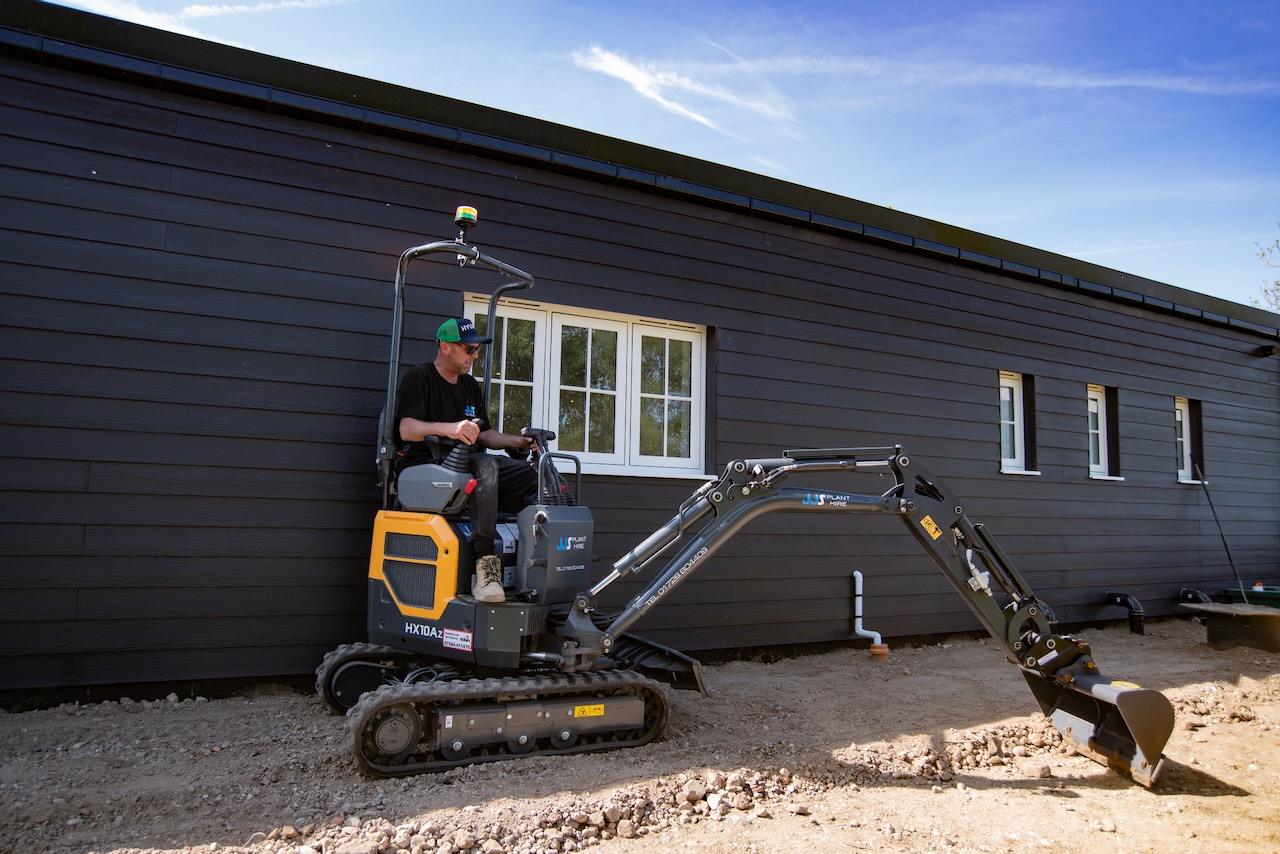
JJ Sugrue has added two Hyundai compact excavators from new dealer Tobin Plant, including one of the UK’s first HX10A Z micro excavators and a 3.8‑tonne HX35A Z, expanding a fleet that already exceeds 40 Hyundais within a 200‑machine operation. The HX35A Z, a zero‑tail swing unit with an 18.5kW Stage V engine, full‑size ROPS/TOPS cab and boom/arm/blade safety valves, is being targeted at longer‑duration housebuilding hires. The HX10A Z offers a retractable undercarriage narrowing to 730mm for doorway access, extending to 1,110mm for digging stability, with twin 10.4L/min pumps for high breakout forces on constrained sites.
SNIPEF, the Scottish and Northern Ireland Plumbing Employers Federation, has elected Dundee-based contractor Steve Craig as its 102nd president for the 2026/27 term, drawing on a career that began with an apprenticeship at Munro Petrosea in 1979 and the co-founding of APS Dundee Ltd in 2012. Craig plans to prioritise apprenticeship reform and funding, particularly for SME plumbing and heating firms that carry most of the recruitment and training burden. He will use SNIPEF’s existing research and ongoing government engagement to push for changes in apprenticeship support, skills and competence frameworks linked to net-zero building services.
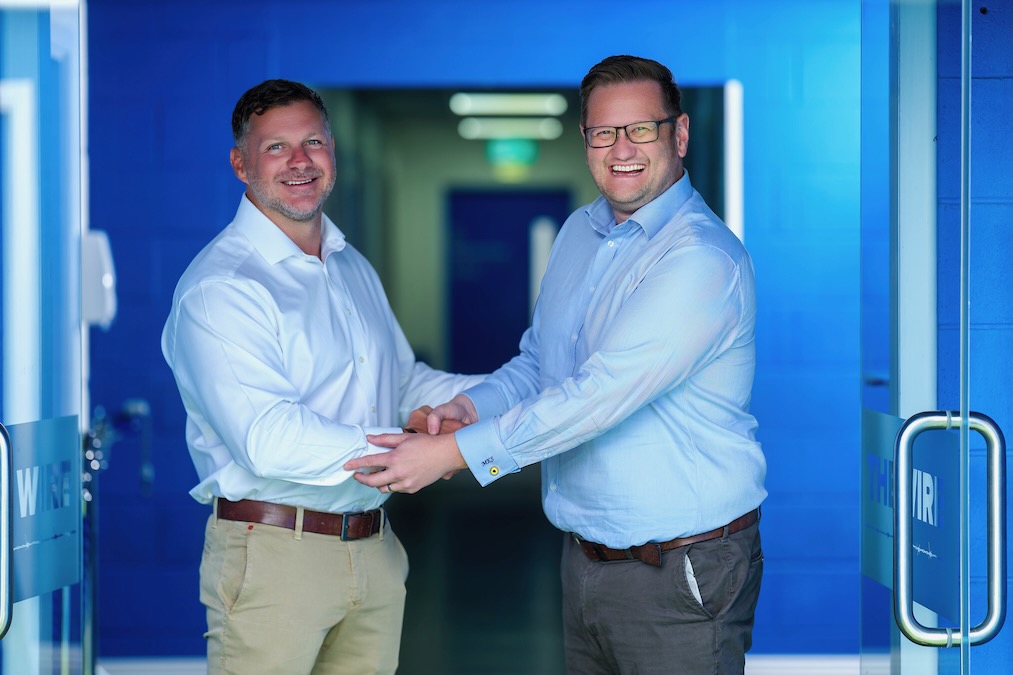
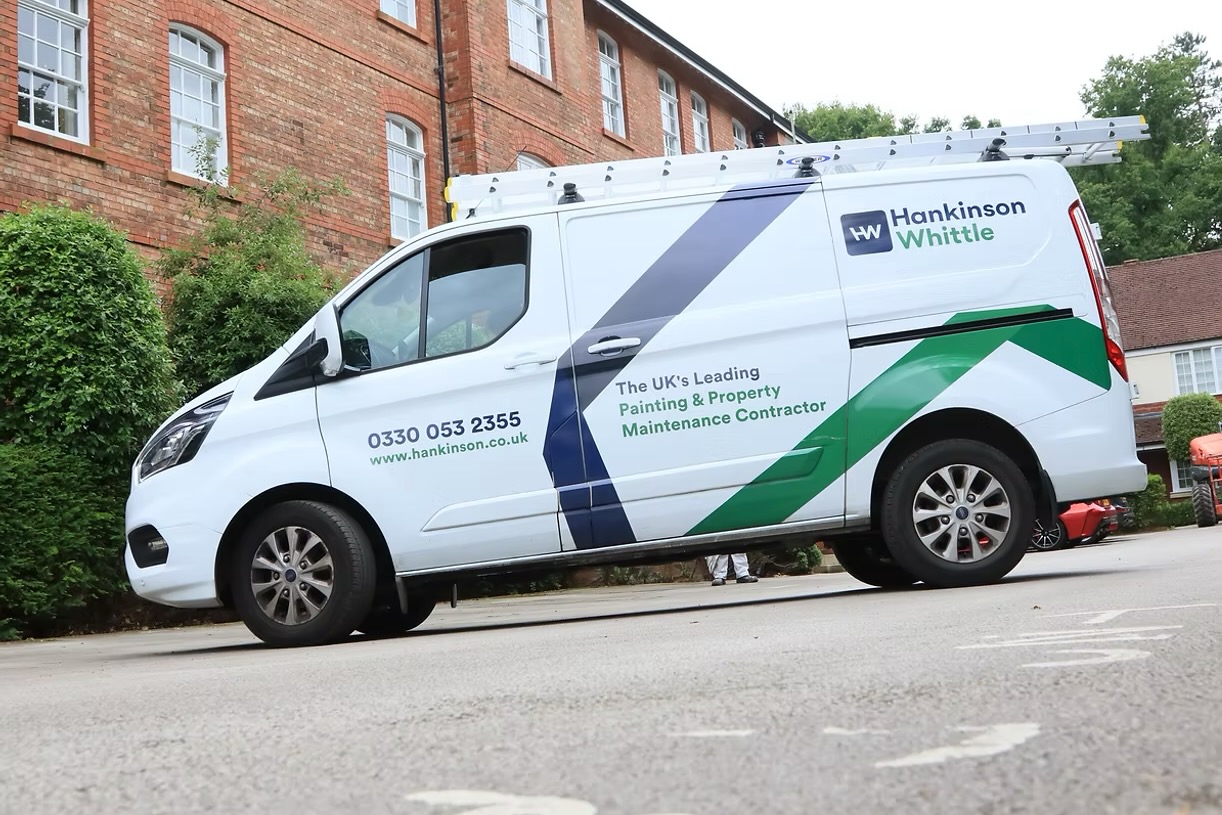
Hankinson Whittle has acquired Fire Protection Compliance Ltd (FPC), adding specialist capability in fire door inspections, fire stopping and passive fire protection to its existing property maintenance and protective coatings portfolio. Managing director Sam Frame said the deal is a core element of Hankinson Whittle’s growth strategy, aimed at offering a more integrated safety and maintenance service to clients. For building owners and FM teams, the move signals a single-provider route for coatings, fabric maintenance and fire compartmentation compliance.
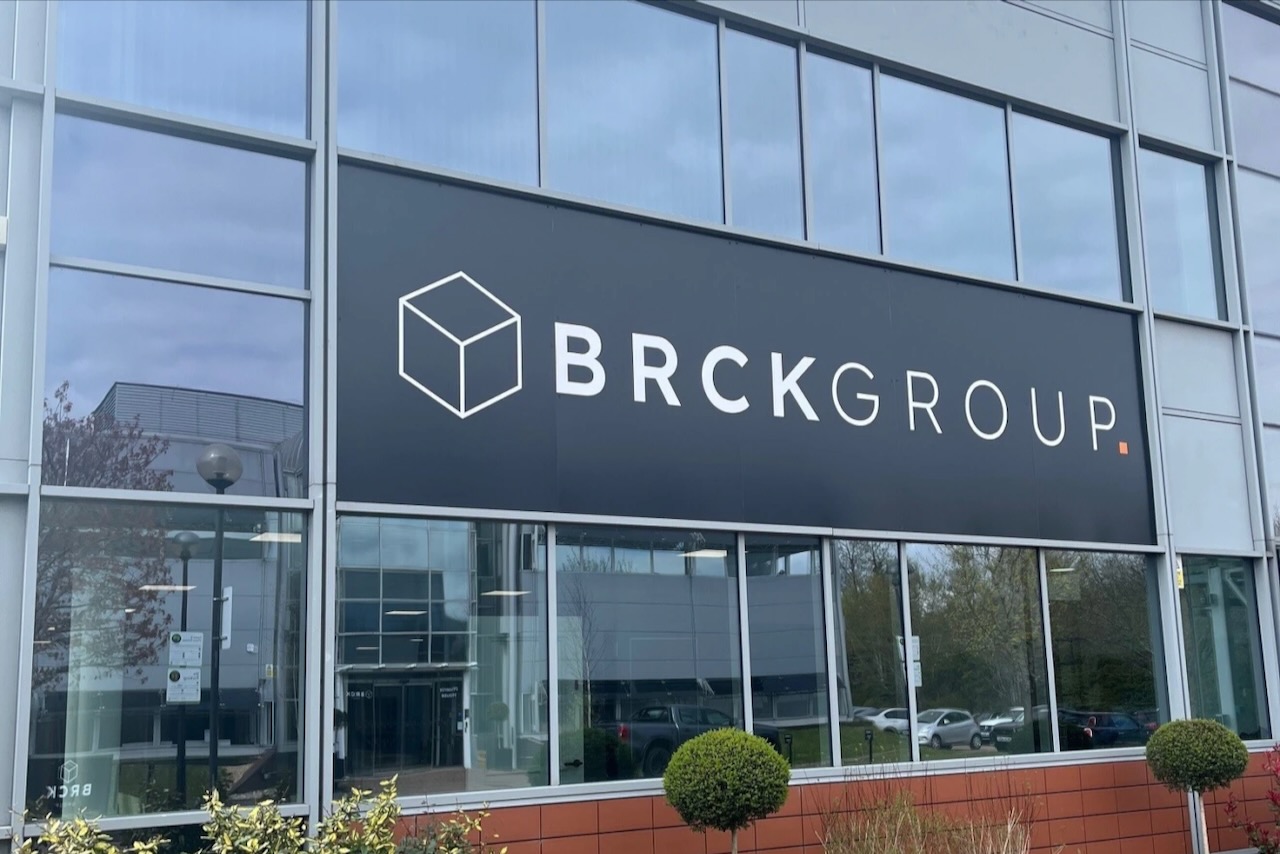
Construction materials distributor BRCK Group PLC is acquiring fencing manufacturer H. S. Jackson & Son for £15m plus £4.9m for land and property, expecting the deal to be earnings enhancing in the first full year. Jacksons, founded in 1947 and headquartered in Ashford with additional sites near Bath, Chester and an Autogate Systems unit in Bolton, designs and installs timber and steel fencing, acoustic barriers and access control for critical national infrastructure, schools and high-security sites. Its proprietary Jakcure timber treatment and steel systems both carry 25‑year performance guarantees, relevant for long-life perimeter and security specifications.
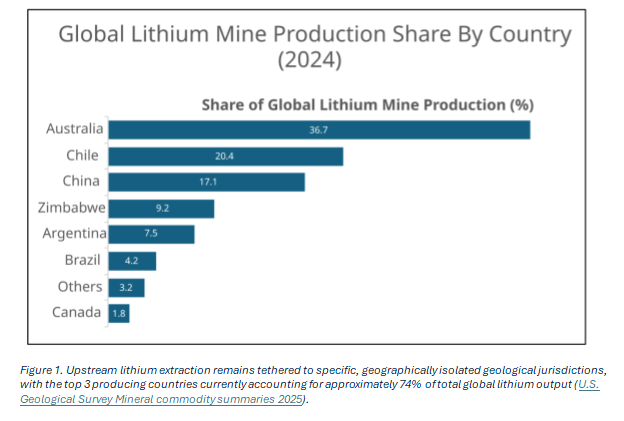
Sodium-ion batteries are emerging as a mass-market option for grid-scale storage and lower-cost urban EVs, with CATL already selling sodium-ion passenger vehicles and utility systems exceeding 1 GWh, but they do not displace lithium in high-energy-density applications. Because sodium is geologically ubiquitous—essentially salt at 2.3% of the crust—the bottleneck moves from scarce deposits like Greenbushes and the Lithium Triangle to midstream processing and gigafactory-scale manufacturing. China now controls over 90% of installed and announced sodium-ion manufacturing capacity, deepening Western dependence despite abundant raw sodium.
Jindalee Lithium will spin out its US assets into Nasdaq-bound US Elemental via a merger with a US-listed SPAC, retaining about 80% ownership and targeting a Q3–Q4 2026 listing as work accelerates at the McDermitt lithium project on the Oregon–Nevada border. A 2024 pre-feasibility study for McDermitt, one of the two largest known US lithium resources alongside Thacker Pass, outlined a 60+ year mine life from only part of the resource, with in-fill drilling and a full feasibility study scheduled for 2026–27. McDermitt’s inclusion in the FAST-41 federal permitting programme aims to secure key permits by end-2028, positioning the project ahead of many peers while remaining insulated from current construction cost spikes.
Former CIA officer David J. Rush has been charged with theft of public funds after FBI agents found 303 gold bars worth about $40 million, plus roughly $2 million in cash and dozens of luxury watches, hidden in his Virginia home. US officials say Rush fabricated a “special access program” and a “made-up contract” to persuade at least two CIA colleagues to transfer cash, foreign currency and tens of millions of dollars in gold bars between November 2025 and March 2026. His lawyer claims the case is really about $65,000 in alleged time card fraud and disputes that Rush owned the bullion.
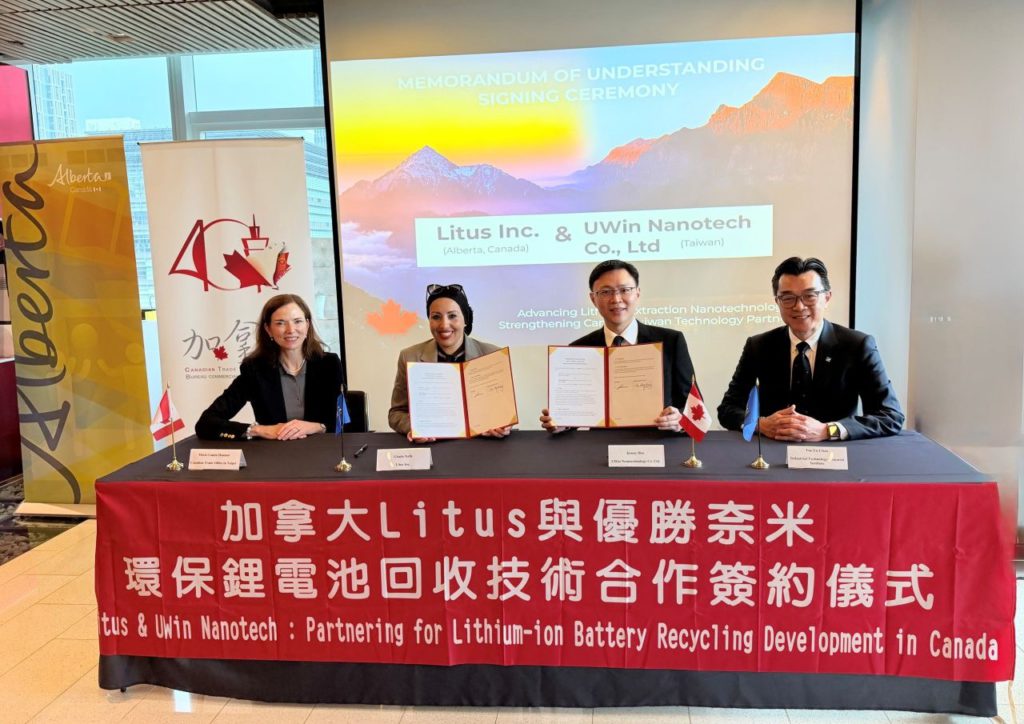
Calgary-based Litus has signed a 25 May memorandum of understanding with Taiwan’s UWin Nanotech to jointly develop selective extraction, separation, recovery and purification flowsheets for cobalt, lithium, nickel and other elements from battery recycling and other secondary sources. The collaboration will combine Litus’ LiNC one-step direct lithium extraction platform for low- and high-concentration brines and its ReLiGN battery recycling process with UWin’s hydrometallurgical systems used in Apple-certified e‑waste and Li-ion recycling. Engineers should watch for integrated nanomaterial–hydromet circuits targeting both critical minerals and rare earth elements in circular supply chains.
Gold fell as much as 3.5% to $4,315/oz, its lowest since March, erasing 2026 gains after a strong US May nonfarm payrolls print pushed Treasury yields and the dollar higher and lifted Fed rate hike odds. US gold futures dropped over 3.2% to $4,342/oz, with CME FedWatch now pricing about a 68% chance of a December hike versus roughly 50% pre-data. Since the Iran war began and the Strait of Hormuz closure drove energy prices up, bullion has slid nearly 18%, raising the cost of carry for non-yielding gold.
Codelco’s El Teniente Division has secured both The Copper Mark and The Molybdenum Mark after a rigorous independent on-site assessment of its responsible production practices. The international assurance process verified that El Teniente’s policies and operational controls meet high environmental, social and governance criteria, including responsible mineral value chain management. For engineers and project teams, the dual certification signals that future brownfield expansions, tailings management and underground operations at this major Chilean copper–molybdenum complex will be scrutinised against these ESG benchmarks.
US Ambassador Pete Hoekstra is urging Canada to act as a core US partner on critical minerals, energy and defence, framing a North American “economic fortress” built on Canadian resource endowment and mining expertise, including experience working with Indigenous communities. He cited existing integration such as 3–4 million barrels of oil per day moving from Alberta to the US, growing Quebec–US power interconnections, and Davie Shipbuilding’s expansion into Finland and Texas as models for cross-border industrial projects. Hoekstra warned that Washington is already backing billions of dollars in critical minerals deals with allies like Australia and “is not waiting” if Ottawa hesitates to join US-led frameworks.
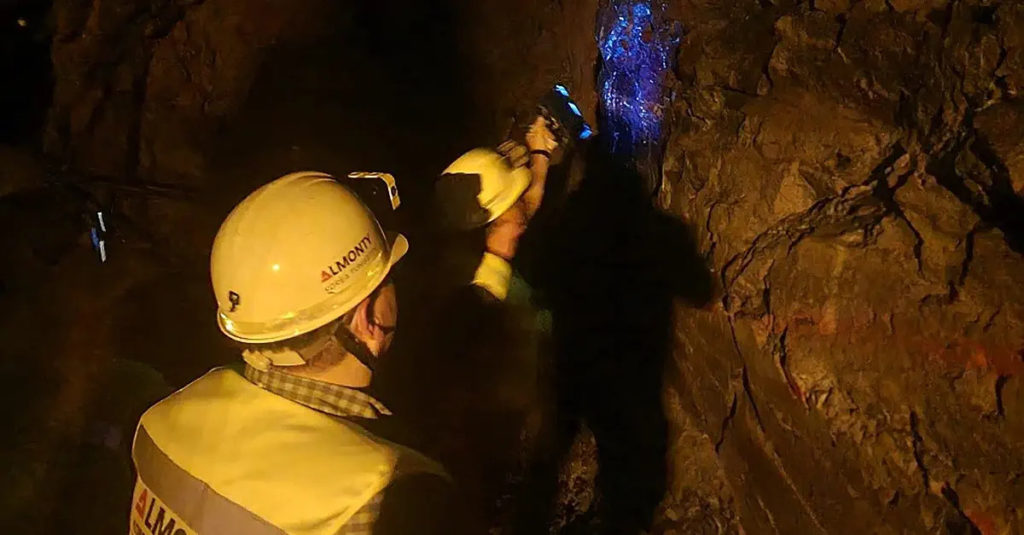
Tungsten producer Almonty Industries is issuing US$700 million of 2.25% senior convertible notes, convertible at US$27.40 per share with a capped call at US$41.36, to fund about US$543 million of working capital plus US$50 million of debt refinancing, causing an 18% share price drop to roughly US$17.20. The notes, offered to qualified institutional buyers and settling on 9 June 2026, include an option for a further US$100 million. Funding supports ramp-up at the Sangdong mine in South Korea, where a 640,000 t/y plant targets 2,300 t/y tungsten concentrate, with Phase 2 aiming for 1.2 Mt/y and 4,600 t/y output.
Commonwealth Fusion Systems has released five peer‑reviewed papers claiming to validate the plasma confinement and stability physics underpinning its compact, high‑field Arc fusion power plant concept. Arc is based on high‑temperature superconducting magnets to generate stronger magnetic fields in a smaller tokamak, targeting grid‑scale output in a footprint closer to a conventional thermal plant. For civil and infrastructure engineers, this supports planning for dense, urban‑adjacent fusion sites with nuclear‑grade containment structures but reduced land‑take compared with large fission stations.
Central banks returned to net gold buying in April, adding 17 tonnes to reserves after March’s net sales, with bullion trading near record highs at about $4,390/oz, according to the World Gold Council. Poland and China led purchases with 14 tonnes and 8 tonnes respectively, while the Czech Republic added 3 tonnes in its 38th consecutive monthly buy and Russia and Uzbekistan sold 6 tonnes and 1 tonne. Emerging-market banks in Eastern Europe and Asia have averaged 29 tonnes of net monthly purchases over the past three years, signalling persistent official-sector demand for mined gold.
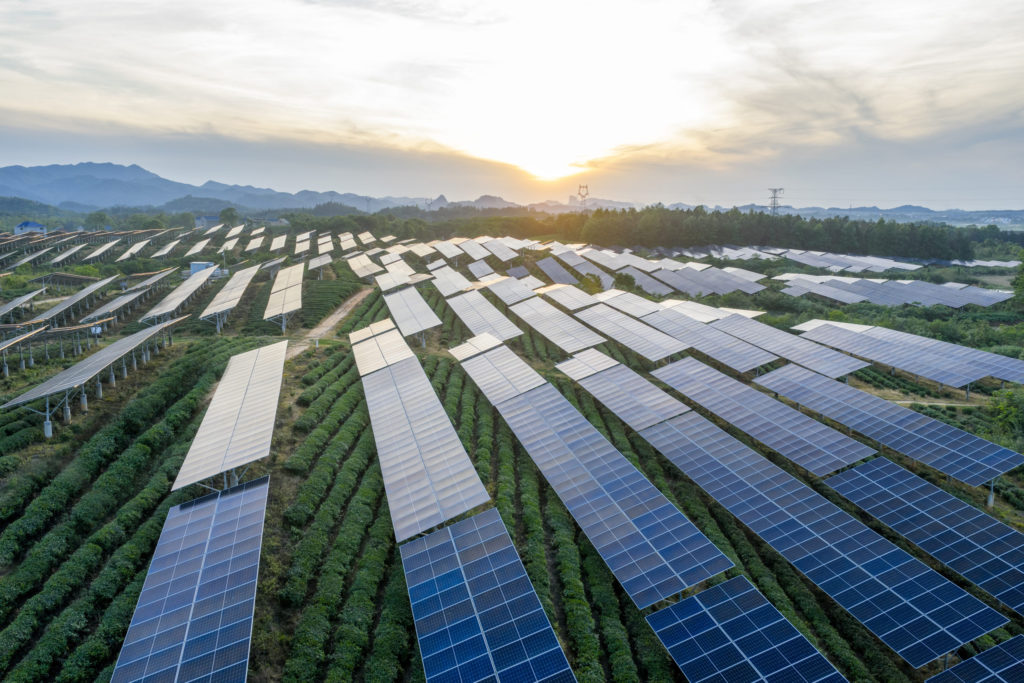
Silver demand is set to outstrip supply for a sixth straight year, with the Silver Institute’s World Silver Survey 2026 projecting a 46.3-million oz. deficit after prices briefly spiked above US$120/oz in January from US$30/oz a year earlier. Photovoltaic silver use fell 6% in 2025 to 186.6 million oz. and is forecast to drop a further 19% to about 151 million oz. in 2026 as manufacturers adopt TOPCon cells, zero-busbar layouts and ultra-fine printing to push loadings below 5 mg/W by 2027. Analysts warn that even 10–20% thrifting and potential copper substitution cannot fully offset demand from solar, grid expansion, automotive and AI-driven power loads, so miners should plan around structurally tight silver markets rather than a simple linear link to installed PV capacity.
Fortune Minerals plans to release an updated feasibility study next month for its Nico cobalt-gold-bismuth-copper project in Tłı̨chǫ territory, targeting 2027 construction on a 20-year mine producing about 8,780 t/y cobalt sulphate, 47,000 oz/y gold, 1,700 t/y bismuth products and 500 t/y copper cement. The 33.1 Mt reserve (0.11% Co, 1.03 g/t Au, 0.14% Bi, 0.04% Cu) previously carried a C$589 million capex, now estimated by the company at roughly C$1 billion, with concentrate trucked 400 km to rail at Enterprise then 1,000 km to an Alberta hydromet plant. Fortune has secured over C$17.5 million in non-dilutive funding, applied for up to $50 million for a 50-km spur road, and is leveraging bismuth supply risk after China’s export curbs pushed prices from about $7/lb to above $20/lb.
Tunnel excavation has been completed by Murphy on a major sewer upgrade in Eccles, Greater Manchester, forming the core of a new larger-diameter tunnelled sewer designed to cut local flood risk. The drive, constructed using trenchless methods beneath existing urban infrastructure, replaces an undersized legacy asset that has been prone to surcharge during intense rainfall. Completion of tunnelling now allows connection of lateral sewers and installation of new manholes and chambers, a critical stage before commissioning the increased-capacity network.
Botswana is courting sovereign wealth funding from the UAE and Oman to help buy a controlling stake in De Beers as Anglo American advances the sale of its 85% holding, having written the business down to $2.3 billion. President Duma Boko has also opened talks with Namibia and Angola, leveraging Botswana’s existing 15% De Beers stake and pre-emptive rights over Anglo’s shares. With diamonds providing about 80% of exports and roughly 25% of GDP, the move responds to price weakness, Chinese demand slowdown, lab-grown competition and a recent S&P credit downgrade.
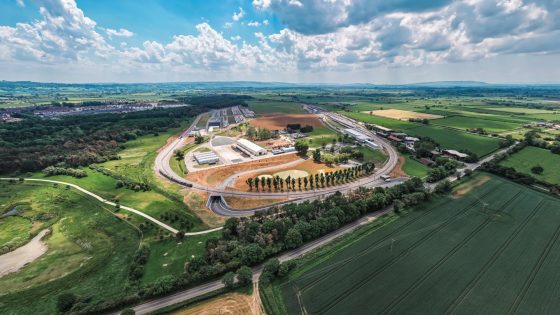
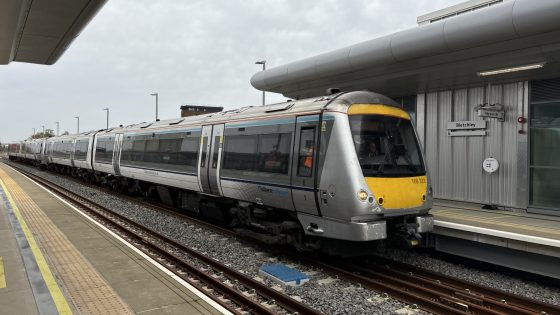
The UK's first electrified rail testing loop has opened at the Long Marston Rail Innovation Centre in Warwickshire, providing a 3.5km circuit for full-scale trials of rolling stock, power systems and infrastructure. The closed-loop track allows controlled testing of overhead line equipment, traction performance and braking behaviour without disrupting the mainline network. For civil and rail engineers, the facility offers a dedicated environment to validate designs, refine maintenance regimes and de-risk novel electrification and track technologies before deployment.
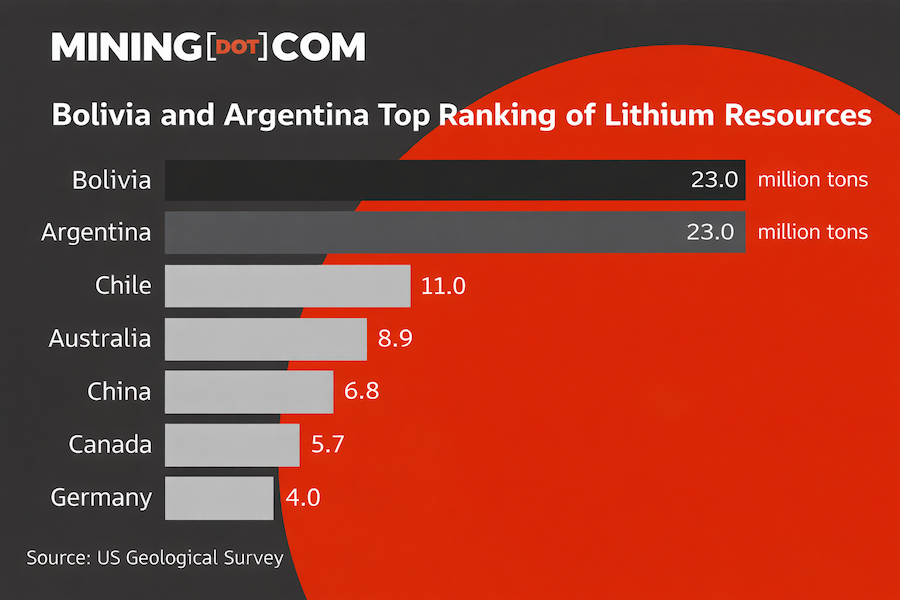
Bolivian President Rodrigo Paz’s proposed “state of exception” law, following Law 1732 and 36 days of nationwide protests with more than 90 road blockades across eight regions, injects fresh political and security risk into development of the Salar de Uyuni and other world-class lithium resources. Expanded military powers to clear transport corridors for food, fuel and medical supplies raise the prospect of violent confrontation with peasant organisations, labour unions and the Bolivian Workers’ Union. For lithium developers, OEMs and battery makers, the standoff threatens timelines and investment appetite in one of the largest yet least-developed brine provinces.
Scottish Hydro Electric Transmission has launched a £7.4bn multi-lot framework covering civil engineering, buildings, overhead line (OHL) and underground cable (UGC) works across its Scottish transmission network investment programme. The framework will bundle large substation platforms, foundations, access roads and control buildings with new high-voltage OHL routes and UGC sections to support grid reinforcement and connection of new generation. Contractors can expect long-duration workbanks, complex geotechnical conditions in upland and coastal corridors, and tight delivery interfaces between civils, structural and electrical packages.
Weichai-controlled LOVOL Heavy Industry has delivered its first FR2000F hydraulic mining excavator, a 212 t class machine, to an open-pit mine customer in China. The FR2000F is powered by a Weichai 12M33 low-speed, high-torque, fully electronically controlled engine with quad-turbocharging and an advanced modular design, aimed at high-load, continuous mining duty. The 200 t class size positions it for pairing with ultra-class haul trucks, potentially altering fleet configurations and loading cycle times on large benches.
Boton is deepening conveyor technology collaboration with BHP and Hancock Iron Ore, hosting senior delegations at its Wuxi headquarters to review performance of its high-wear belt materials and advanced splice designs on large iron ore overland systems. Discussions reportedly centred on extending belt life in abrasive Pilbara ores, optimising idler spacing and troughing angles for higher tonne-per-hour capacities, and integrating condition monitoring for early detection of misalignment and shell wear. For mine operators, the work signals continued incremental gains in conveyor availability and reduced maintenance shutdown frequency on long-haul ore routes.
A joint venture led by Lane, part of Italy’s Webuild Group, has secured a US$1bn (£743M) contract to build a deep tunnel beneath Pittsburgh, Pennsylvania, to cut combined sewer overflows into the Allegheny, Monongahela and Ohio rivers. The project will form a major element of the city’s long-term CSO control plan, intercepting and conveying storm-surcharged flows away from ageing riverfront sewers. Geotechnical focus will centre on deep urban tunnelling in mixed ground under existing utilities and foundations, with strict constraints on settlement and inflow control.
East West Rail Company has started preliminary market engagement for a long-term programme assurance partner contract valued at up to £300M to support delivery of the Oxford–Cambridge rail link. The consultancy role will span multi-phase design, consents and construction assurance across new and upgraded track, stations and junctions on the East West Rail corridor. Prospective bidders should expect extensive systems integration, cost and schedule risk management, and independent technical assurance for interfaces with existing Great Western, Chiltern and East Coast Main Line infrastructure.
Turner & Townsend has reported 2025 global gross revenue of £5.76bn, a workforce of 22,000 and a real estate major-projects portfolio approaching £3tn in capital investment, including the UK New Hospital Programme and Barclays’ New York headquarters. Infrastructure growth is being driven by Heathrow Airport expansion, Anglian Water’s long‑term capital investment programme and the Clyde 2070 defence programme, plus new airport commissions in Vietnam, Bangalore and Perth. In energy and natural resources, the firm has been appointed a critical partner on Rolls‑Royce’s nuclear programme, extending its nuclear work across six continents.
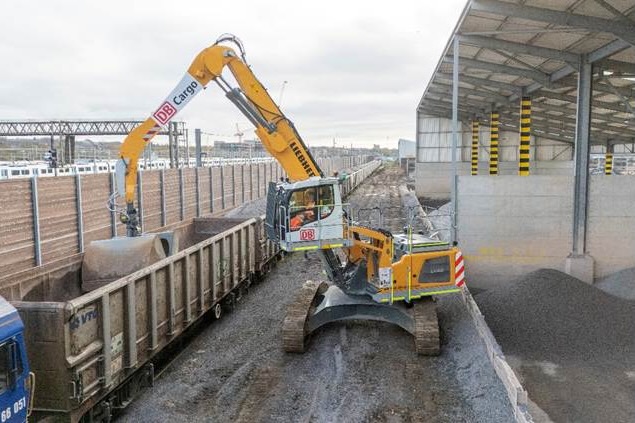
DB Cargo UK has invested £8.5m, financed via a Siemens Financial Services credit line, to purchase seven Liebherr LH 40 material handlers for its rail-served aggregate terminals. The diesel-electric LH 40 units will load construction aggregates onto freight trains, supporting higher throughputs and shifting material from road to rail. For civil and rail engineers, the move signals continued build-out of dedicated aggregate handling capacity to back large UK infrastructure and housing projects with lower-carbon logistics.
PLS has commissioned Australia’s first mine-site lithium mid-stream processing facility at its Pilgangoora Operation in Western Australia, with Premier Roger Cook officiating the opening, marking a shift from exporting raw spodumene concentrate towards higher-value battery materials. The Mid-Stream Demonstration Plant is integrated directly with the existing open-pit and concentrator complex, enabling on-site conversion steps that are normally performed at distant chemical refineries. For mine planners and process engineers, this signals growing interest in co-locating beneficiation and mid-stream refining to cut logistics, reduce intermediate handling and tighten quality control.
CITB has launched an Accelerated Apprenticeships programme targeting 1,680 starts over four years to support the government’s 1.5m homes by 2029, cutting typical training duration from 2–3 years to 14–18 months for bricklaying, carpentry and roofing. Delivery uses intensive front‑loaded learning plus structured block release and on-site experience through an initial five programmes at FE colleges and training providers, expanding to 20 by mid‑2029. The first phase prioritises Greater Manchester, West Yorkshire, West Midlands, Kent, and Bedfordshire/Hertfordshire, feeding into a new National Construction Mayoral Network.
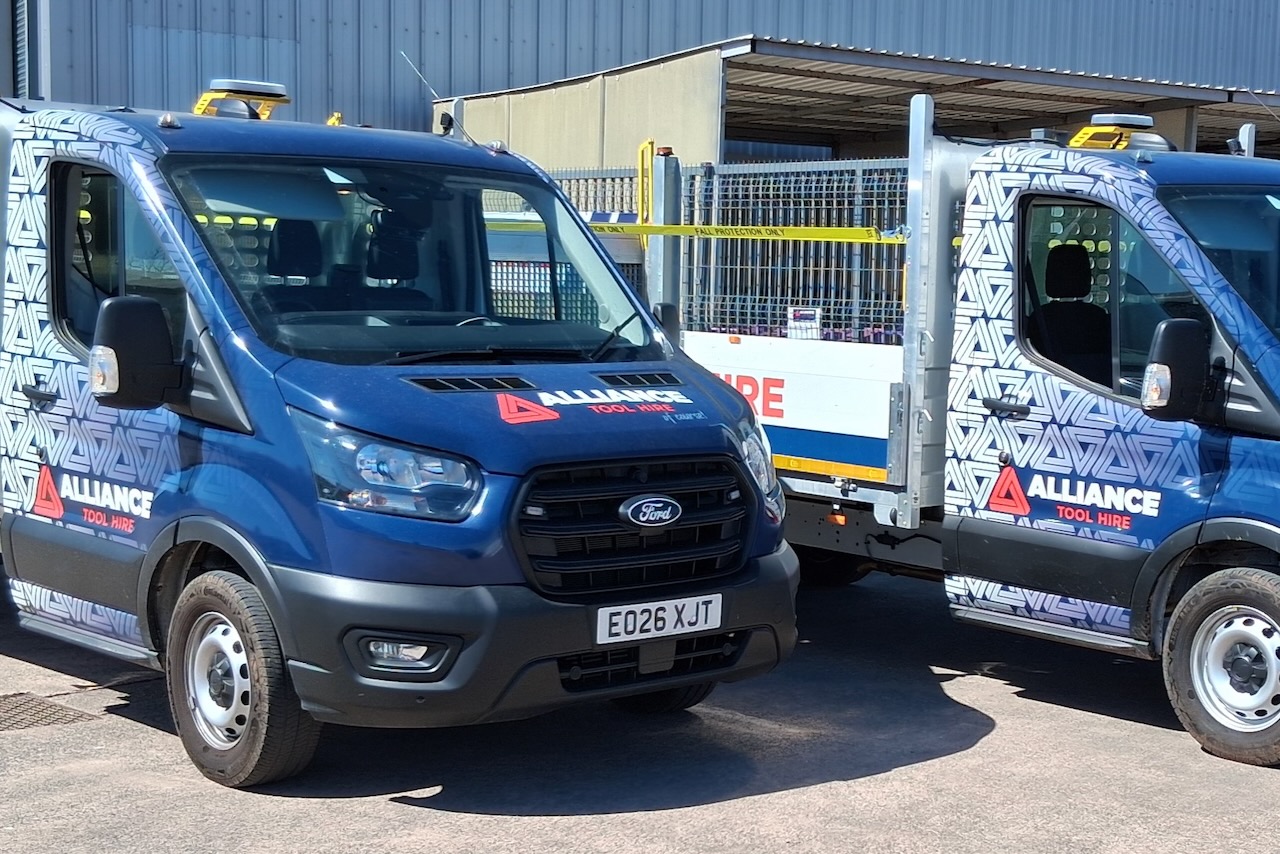
Alliance Tool Hire has invested £900,000 in more than 20 new delivery vehicles, adding 3.5‑tonne Ford Transit 350 Leader L4 dropside vans and smaller Transit L3 models to support operations from its 10 UK depots. The Poole-headquartered firm services sites from Bath, Bristol, Salisbury, Poole, London (north, south and east), Kent, Gatwick and Newport, supplying power tools, access and survey equipment, and lifting hire and sales. Increased dropside capacity and mixed vehicle sizes should improve tool and small plant logistics to congested urban and regional infrastructure projects.
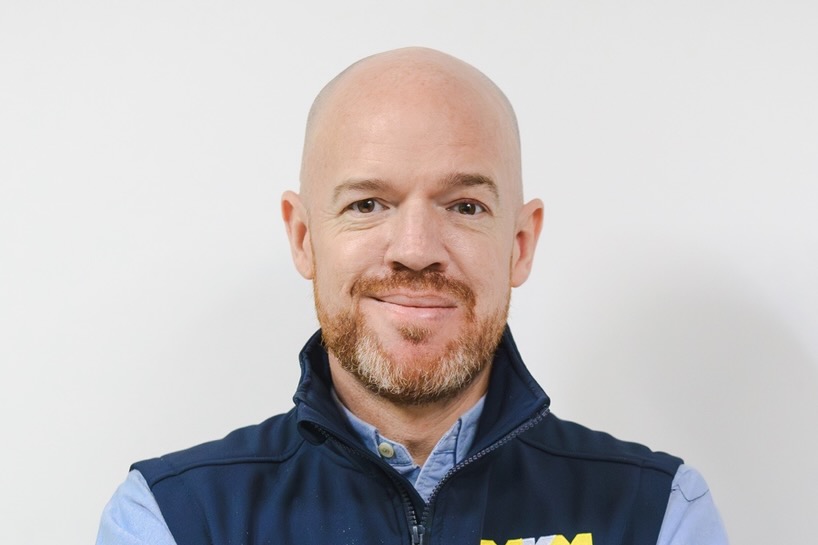
MKM Building Supplies chief operating officer Dave Castle has been appointed board adviser to the Builders Merchants Federation, returning to the BMF Board as MKM expands its UK branch network. Castle, MKM’s first-ever COO with over 21 years’ experience in the building materials sector, has been working directly with branch directors, suppliers and customers to support ongoing investment in branches, people and services. His role at BMF will focus on training, safety, government lobbying and promoting careers in merchanting, giving MKM direct input into industry-wide policy discussions.
Base Concrete in Hemel Hempstead has purchased a second JCB TM420 telescopic wheel loader from Greenshields JCB to handle sand, cement and aggregate loading for its mobile batching lorry fleet. The TM420’s bucket capacity and boom extension were selected to match truck dimensions and cycle times in a constrained yard, avoiding both oversize machines that cannot manoeuvre and undersize units needing multiple passes. Director Paul MacGregor cites the balance of loading speed, bucket size and manoeuvrability as critical for reliable on-site concrete production.
Knights Brown has reported 2025 turnover of £136m, up from £116m, with a gross margin of £15m and EBITA of £5.4m, equivalent to a 4% margin. The civils and construction contractor is active in coastal defence, port infrastructure and energy schemes, signalling a workload mix weighted to heavy civil engineering rather than building. Management is now positioning for AMP8 water-sector frameworks, where long-duration, programme-based contracts could materially influence future cashflow stability and resource planning for marine, pipeline and treatment-plant works.
Repeated strikes on live electricity cables during street works in Britain are being blamed on poor subsurface mapping and fragmented utility records, with contractors often relying on outdated paper plans and limited ground-penetrating radar surveys. German cities are cited as a benchmark, using centralised digital cadastres of buried assets, mandatory as-built 3D records and shared GIS platforms to locate power, gas, water and fibre within centimetres. For UK civil and utilities engineers, the argument is for statutory data standards, interoperable mapping and routine pre-excavation scanning to cut strikes, delays and near-miss incidents.
BHP has committed $160 million to community infrastructure in Port Hedland, including an $80 million upgrade of Hedland Senior High School, a new aquatic centre and dedicated service worker accommodation. The package, announced by BHP Australia president Geraldine Slattery, is the company’s largest-ever community investment in Western Australia and targets long-term liveability in the iron ore hub. For mining project planners, the spend signals continued emphasis on social licence and workforce retention in a town already constrained by housing and services capacity.
Aureka has defined multiple new high-priority gold exploration targets at its 100 per cent-owned Irvine project in Victoria’s Stawell Corridor after completing an airborne magnetic geophysical survey. The higher-resolution magnetic dataset sharpens imaging of subsurface structures, enabling more precise interpretation of the structural architecture that controls mineralisation along strike from the Stawell and Magdala gold systems. This will guide follow-up drilling and ground geophysics, concentrating spend on structurally focused targets rather than broad, reconnaissance-style drilling.
Queensland has launched Australia’s largest high‑resolution airborne gravity survey, a project of up to $4 million covering 40,000km north of Mount Isa to pinpoint new critical minerals targets. Flown in partnership with Geoscience Australia, the survey will capture detailed gravity data over the North-West Minerals Province, improving subsurface models beyond existing magnetics and radiometrics. For explorers, the dataset should sharpen drill targeting for commodities such as copper, rare earths and vanadium in structurally complex basement terranes.
Fresh international demand, tightening energy markets and rapid data centre expansion are giving Australia’s thermal and metallurgical coal sector renewed momentum, with India emerging as a key growth market. Energy security concerns in Asia are supporting long-term offtake for high‑CV thermal coal from Queensland and New South Wales, while steel demand keeps coking coal exports competitive against alternative suppliers. For mine planners and infrastructure owners, the signals point to sustained port throughput, rail capacity utilisation and potential brownfield mine life extensions rather than rapid phase‑out.