Geomechanics, Streamlined.
© 2026 Geomechanics.io. All rights reserved.
50 articles tagged with Product
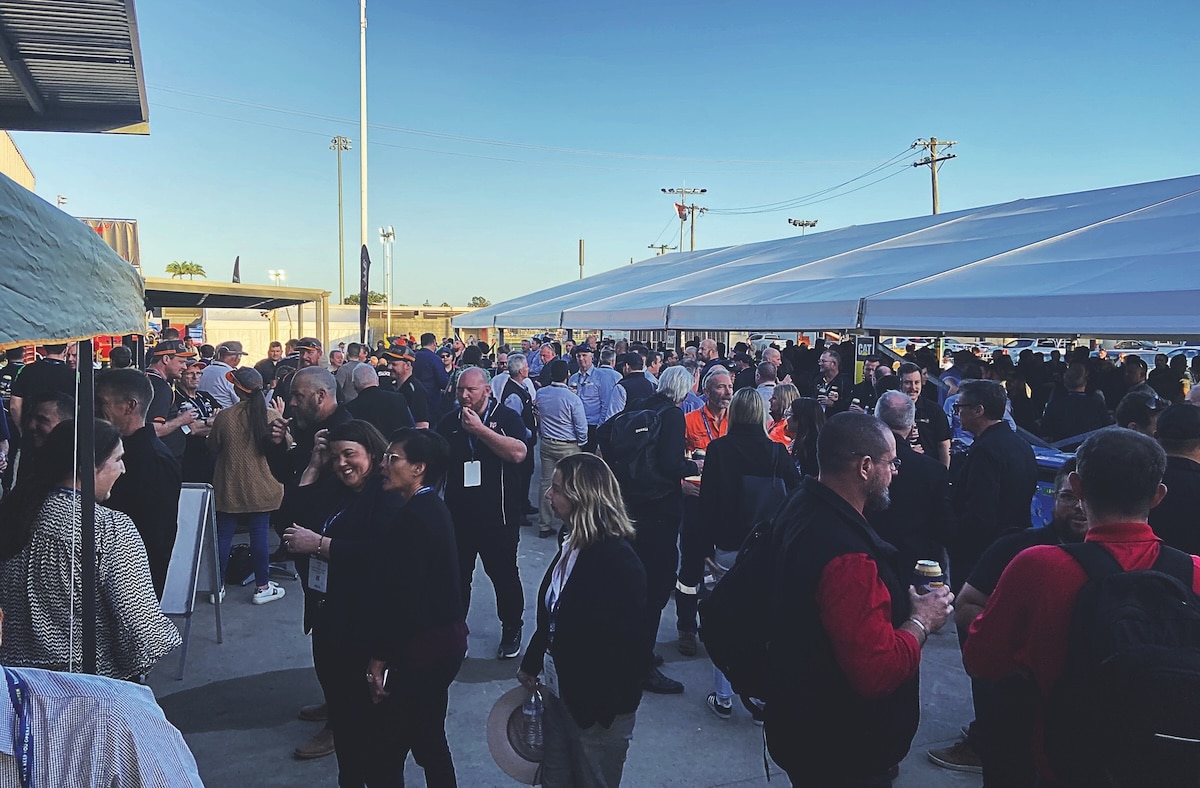
QME 2026 will return to the Mackay Showgrounds as Australia’s largest regional mining gathering, combining a full-scale equipment and technology exhibition with structured networking and deal-making. Organisers are positioning the event less as a static display of trucks, drills and processing kit and more as a hub for supplier–operator collaboration, with dedicated business development sessions and evening networking drinks. For contractors, OEMs and mine operators, the emphasis on in-person relationship building signals continued value in regional trade shows alongside remote procurement and digital vendor engagement.
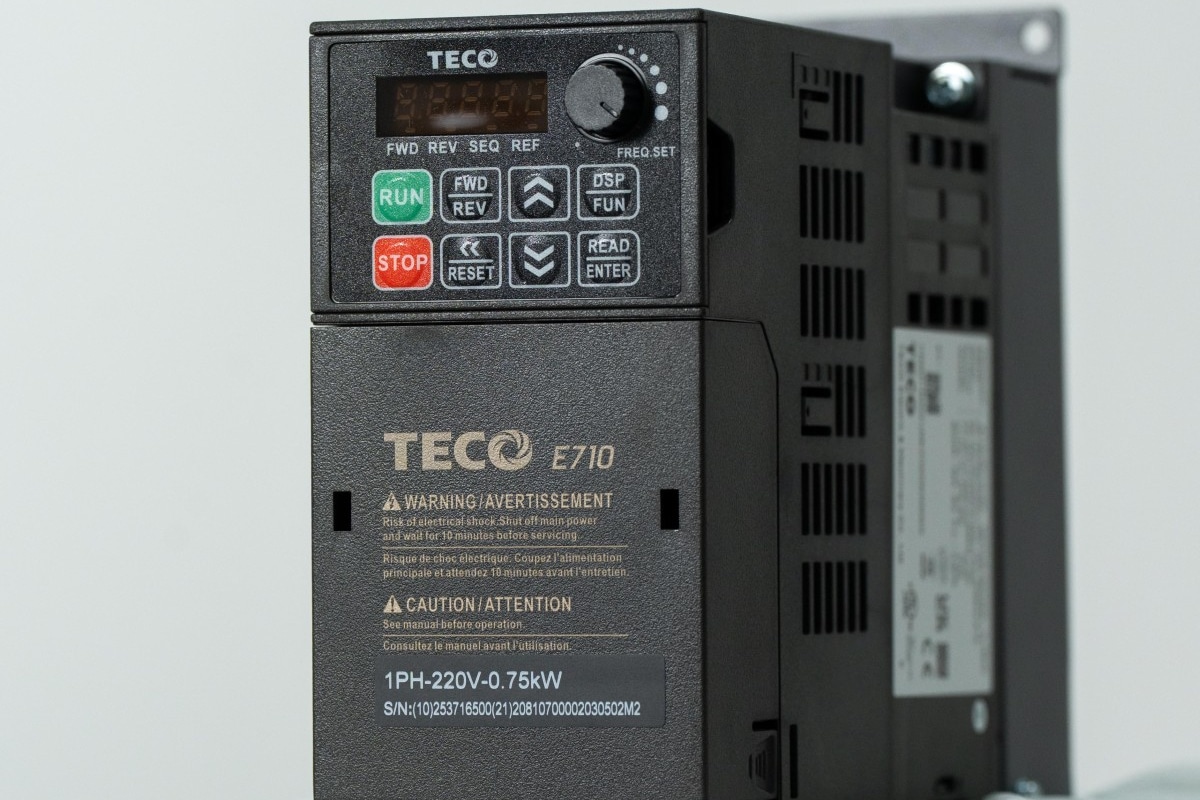
TECO’s new E710 Next Gen Compact Current Vector Control Variable Speed Drive adds built‑in predictive maintenance to mining auxiliary drives by continuously monitoring internal components from commissioning and issuing advance failure warnings. The unit delivers full rated output up to 50°C and 150% torque at 0.5Hz in Sensorless Vector mode, targeting demanding conveyor, pump and fan duties. A plug‑in Copy Module can transfer complete parameter sets between drives on site, cutting commissioning and replacement time for maintenance teams.
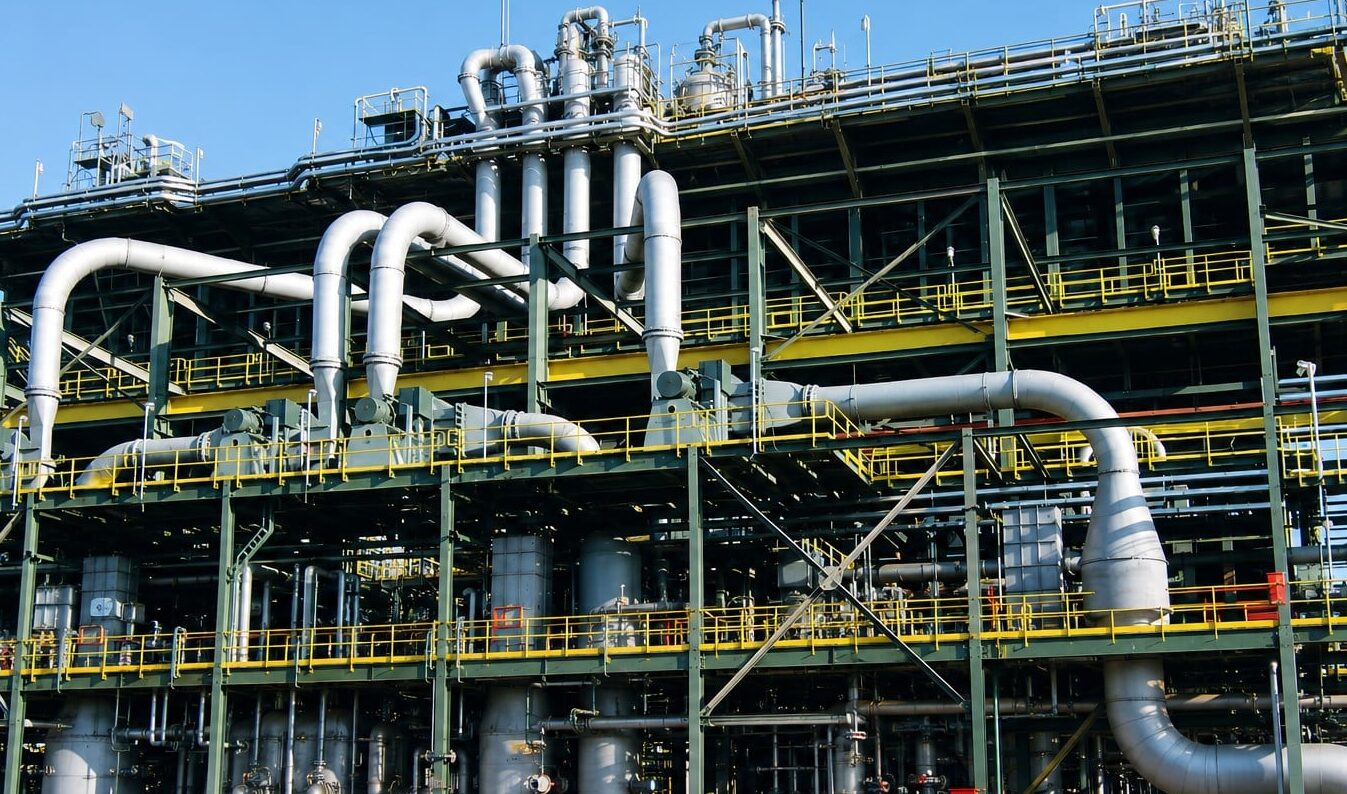
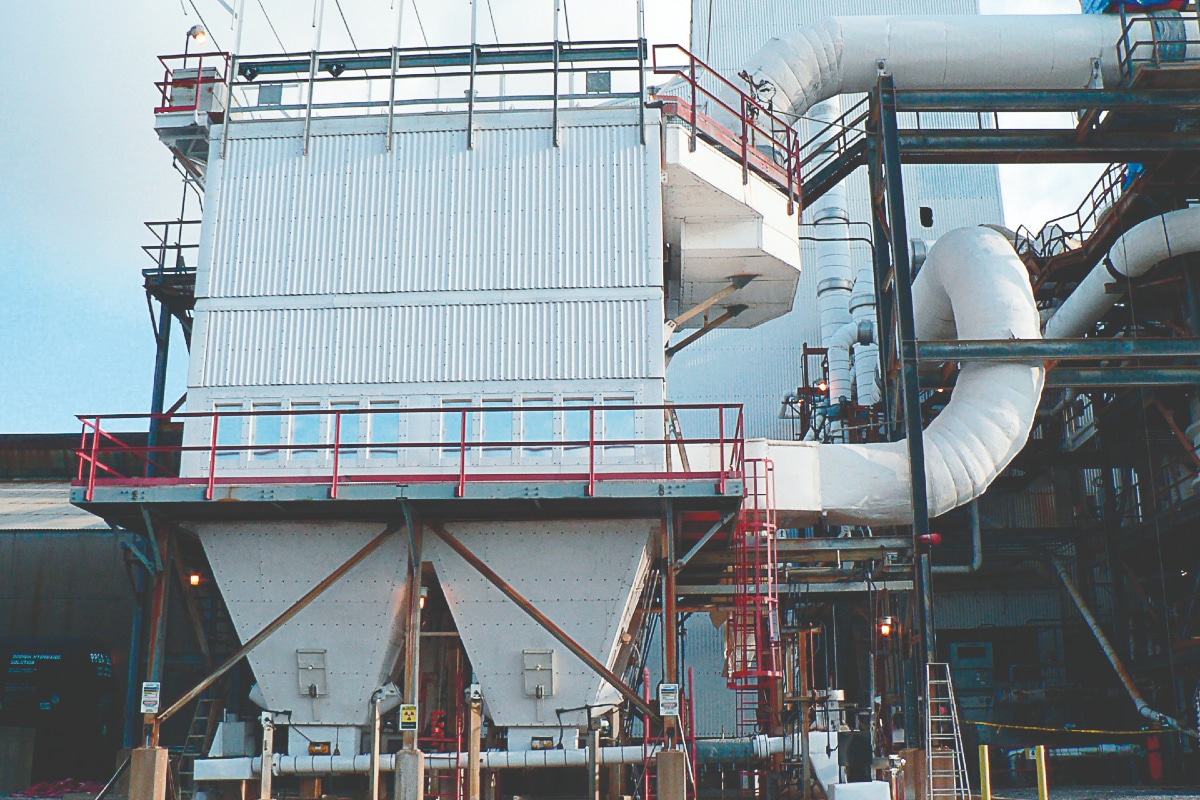
Nederman Mikropul is supplying advanced wet scrubbers and gas absorbers for mining and minerals processing plants, designed for >99 per cent collection efficiency on sub-micron dust while simultaneously treating hazardous process gases from crushing and related operations. The systems combine particulate scrubbing and gas absorption in a single unit, targeting fine aerosols and corrosive or toxic species that are difficult to capture with dry filters alone. For plant designers and operators, this enables tighter control of stack emissions and easier compliance with stringent site-specific air quality limits.
Ericsson and Epiroc are expanding their 2018 collaboration into a global go‑to‑market alliance that embeds Ericsson’s LTE and Private 5G networks into Epiroc’s digital portfolio for both surface and underground mines. Epiroc will integrate Ericsson Private 5G with its telematics, vendor‑agnostic remote‑control platforms, and situational awareness and collision‑avoidance systems to support automation, remote operations and predictive maintenance. For mine operators, the move signals tighter coupling between OT systems and high‑reliability wireless backbones, simplifying deployment of site‑wide autonomous and semi‑autonomous fleets.
Epiroc’s 2026 Capital Markets Day in Örebro set out slower-than-expected uptake of its automation and battery-electric fleets as major miners cut capex for next-generation equipment, affecting orders for systems such as 6th Sense automation and Scooptram BEV loaders. President and CEO Helena Hedblom detailed a shift towards retrofit and brownfield upgrades, remote monitoring, and staged autonomy rather than full greenfield roll-outs. For mine planners and engineers, the message is to expect incremental deployment of teleremote drilling, autonomous haulage layers, and underground charging infrastructure rather than rapid fleet-wide conversion.
Shanghai Boonray Intelligent Technology, Zhongguancun Technology Leasing and Iridium Molybdenum Technology have signed a tripartite strategic cooperation agreement, dated 1 June, to accelerate intelligent and electric transformation in open-pit mining. The partnership centres on developing new energy intelligent equipment for haulage and production scenarios, backed by structured leasing and financing support from Zhongguancun to move fleets away from diesel. For mine operators, the deal signals faster access to OEM-backed electric and autonomous-ready machinery without large upfront capital outlay.
Sandvik is investing in a new logistics hub at its Turku, Finland, factory for underground load and haul equipment, relocating key warehousing and materials-handling operations directly adjacent to production lines. The hub will replace parts of the current off-site logistics flow to cut internal transport distances and support shorter factory lead times for loaders and trucks such as the LH and TH series. For mine operators, the move signals a push for faster parts availability and more predictable delivery schedules for new fleets and rebuilds.
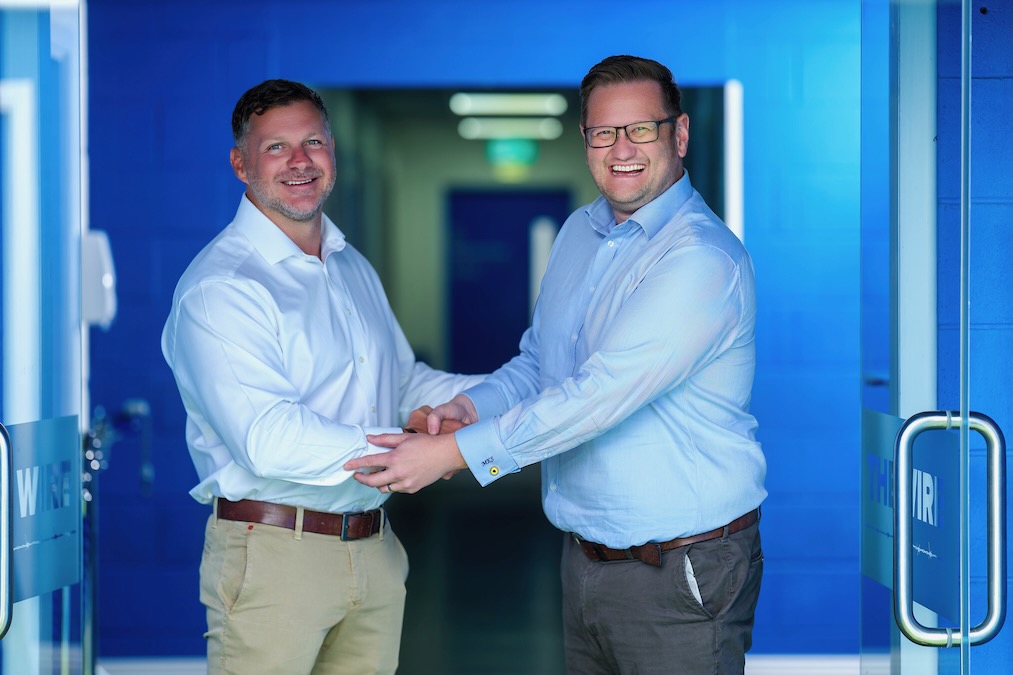
Mark Stuart, joint managing director of Stuart Energy and a specialist in temporary power and equipment hire for construction sites, has joined waste compliance and reuse platform MukAway as a non-executive director. MukAway, which digitises waste movements and reuse documentation for infrastructure and civils projects, is positioning the appointment to support expansion into a wider contractor and plant-hire client base. For geotechnical and civil teams, this signals growing integration between site power logistics, plant fleets and compliant soil and aggregate reuse workflows.
Epiroc has signed a global agreement with Ericsson to distribute LTE and 5G private network technology through Epiroc customer centres for both underground and surface mines. The deal packages Ericsson’s industrial-grade radio, core network and edge solutions with Epiroc’s digital and automation portfolio, targeting applications such as real-time fleet monitoring, remote drilling and autonomous haulage. For engineers, the move signals wider availability of carrier-grade wireless backbones to replace or supplement leaky-feeder, Wi-Fi and wired networks in harsh mining environments.
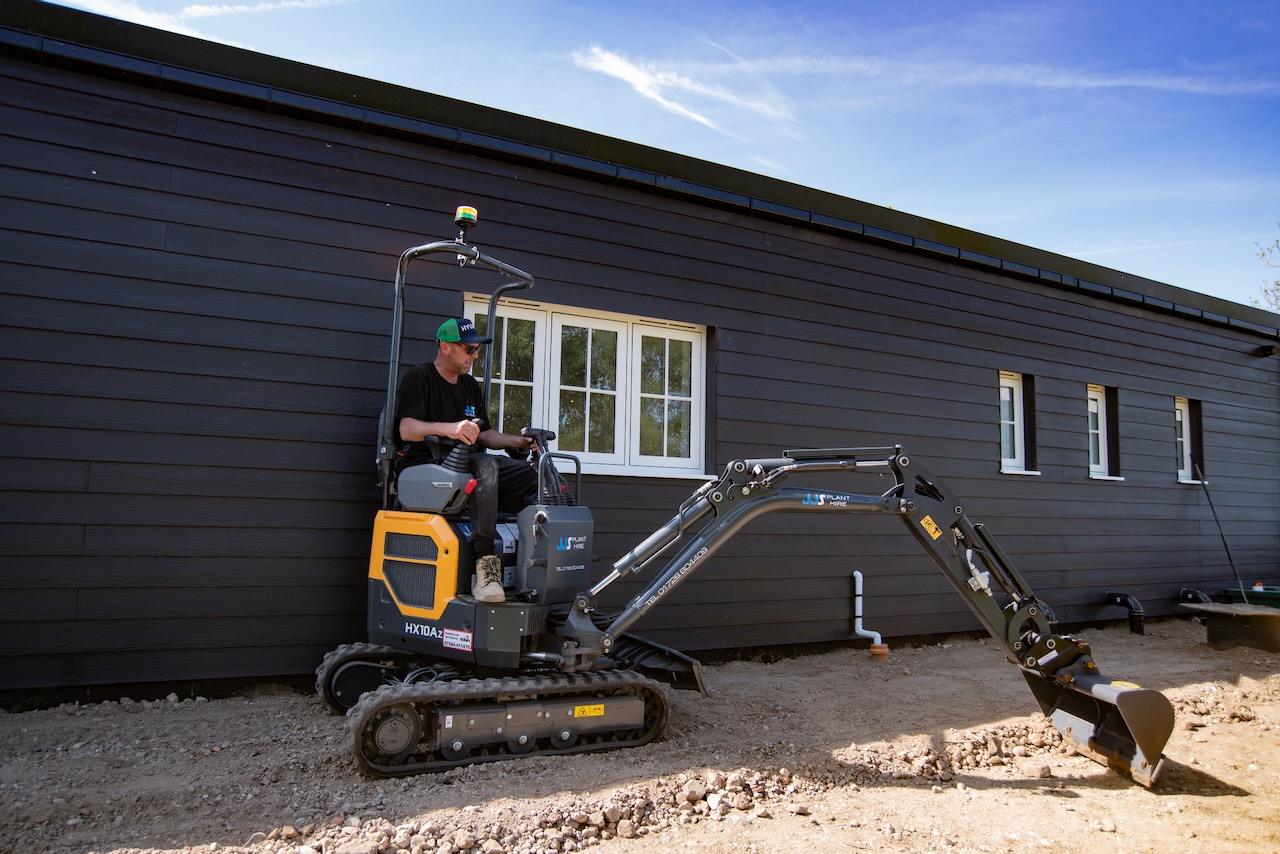
JJ Sugrue has added two Hyundai compact excavators from new dealer Tobin Plant, including one of the UK’s first HX10A Z micro excavators and a 3.8‑tonne HX35A Z, expanding a fleet that already exceeds 40 Hyundais within a 200‑machine operation. The HX35A Z, a zero‑tail swing unit with an 18.5kW Stage V engine, full‑size ROPS/TOPS cab and boom/arm/blade safety valves, is being targeted at longer‑duration housebuilding hires. The HX10A Z offers a retractable undercarriage narrowing to 730mm for doorway access, extending to 1,110mm for digging stability, with twin 10.4L/min pumps for high breakout forces on constrained sites.
Construction materials distributor BRCK Group PLC is acquiring fencing manufacturer H. S. Jackson & Son for £15m plus £4.9m for land and property, expecting the deal to be earnings enhancing in the first full year. Jacksons, founded in 1947 and headquartered in Ashford with additional sites near Bath, Chester and an Autogate Systems unit in Bolton, designs and installs timber and steel fencing, acoustic barriers and access control for critical national infrastructure, schools and high-security sites. Its proprietary Jakcure timber treatment and steel systems both carry 25‑year performance guarantees, relevant for long-life perimeter and security specifications.
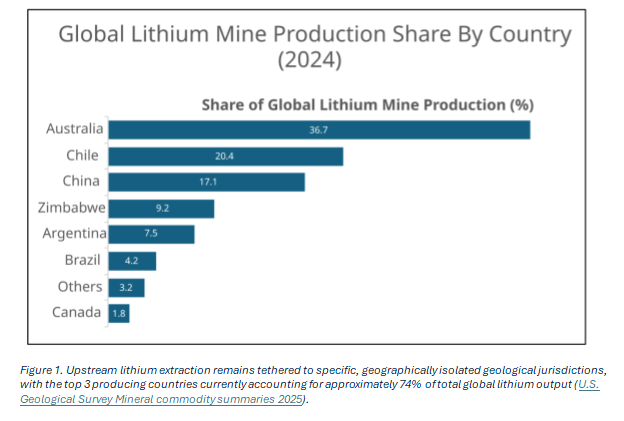
Sodium-ion batteries are emerging as a mass-market option for grid-scale storage and lower-cost urban EVs, with CATL already selling sodium-ion passenger vehicles and utility systems exceeding 1 GWh, but they do not displace lithium in high-energy-density applications. Because sodium is geologically ubiquitous—essentially salt at 2.3% of the crust—the bottleneck moves from scarce deposits like Greenbushes and the Lithium Triangle to midstream processing and gigafactory-scale manufacturing. China now controls over 90% of installed and announced sodium-ion manufacturing capacity, deepening Western dependence despite abundant raw sodium.
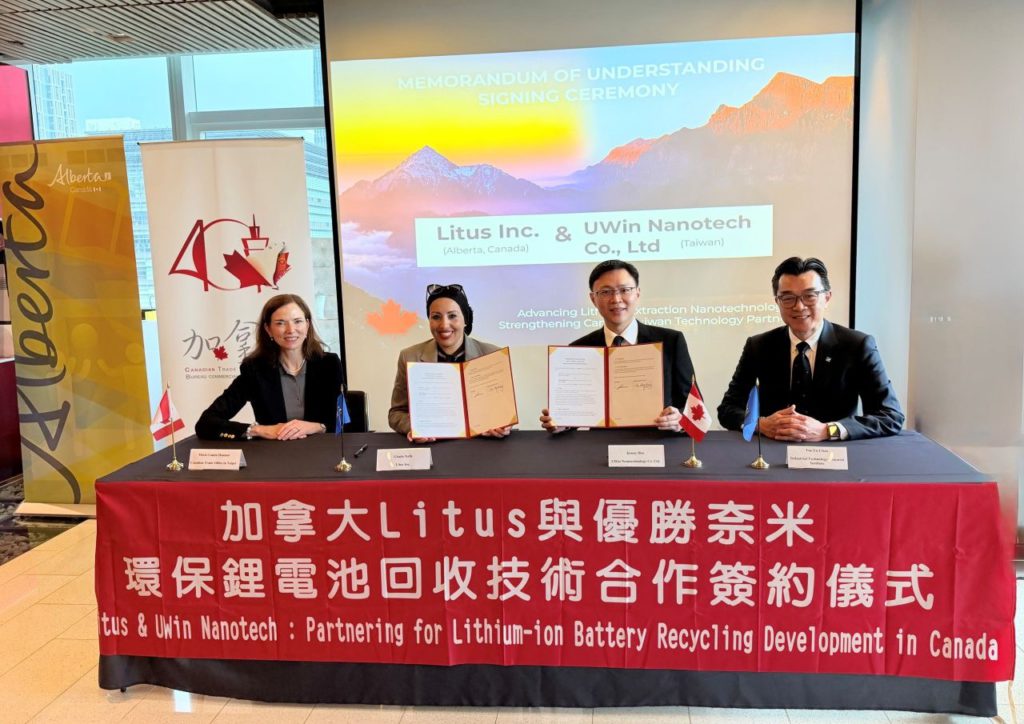
Calgary-based Litus has signed a 25 May memorandum of understanding with Taiwan’s UWin Nanotech to jointly develop selective extraction, separation, recovery and purification flowsheets for cobalt, lithium, nickel and other elements from battery recycling and other secondary sources. The collaboration will combine Litus’ LiNC one-step direct lithium extraction platform for low- and high-concentration brines and its ReLiGN battery recycling process with UWin’s hydrometallurgical systems used in Apple-certified e‑waste and Li-ion recycling. Engineers should watch for integrated nanomaterial–hydromet circuits targeting both critical minerals and rare earth elements in circular supply chains.
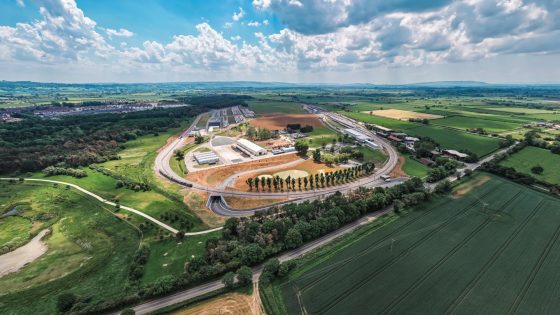
The UK's first electrified rail testing loop has opened at the Long Marston Rail Innovation Centre in Warwickshire, providing a 3.5km circuit for full-scale trials of rolling stock, power systems and infrastructure. The closed-loop track allows controlled testing of overhead line equipment, traction performance and braking behaviour without disrupting the mainline network. For civil and rail engineers, the facility offers a dedicated environment to validate designs, refine maintenance regimes and de-risk novel electrification and track technologies before deployment.
Weichai-controlled LOVOL Heavy Industry has delivered its first FR2000F hydraulic mining excavator, a 212 t class machine, to an open-pit mine customer in China. The FR2000F is powered by a Weichai 12M33 low-speed, high-torque, fully electronically controlled engine with quad-turbocharging and an advanced modular design, aimed at high-load, continuous mining duty. The 200 t class size positions it for pairing with ultra-class haul trucks, potentially altering fleet configurations and loading cycle times on large benches.
Boton is deepening conveyor technology collaboration with BHP and Hancock Iron Ore, hosting senior delegations at its Wuxi headquarters to review performance of its high-wear belt materials and advanced splice designs on large iron ore overland systems. Discussions reportedly centred on extending belt life in abrasive Pilbara ores, optimising idler spacing and troughing angles for higher tonne-per-hour capacities, and integrating condition monitoring for early detection of misalignment and shell wear. For mine operators, the work signals continued incremental gains in conveyor availability and reduced maintenance shutdown frequency on long-haul ore routes.
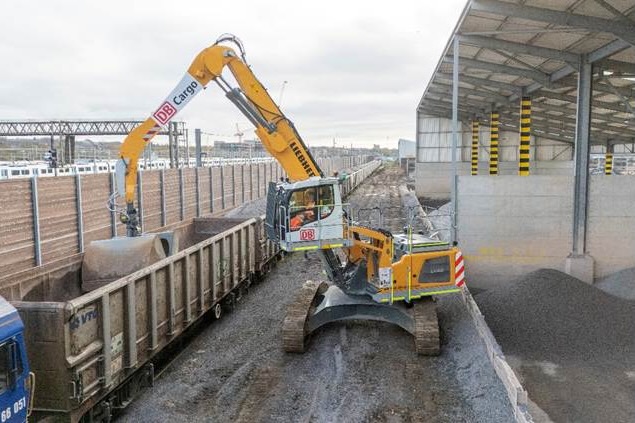
DB Cargo UK has invested £8.5m, financed via a Siemens Financial Services credit line, to purchase seven Liebherr LH 40 material handlers for its rail-served aggregate terminals. The diesel-electric LH 40 units will load construction aggregates onto freight trains, supporting higher throughputs and shifting material from road to rail. For civil and rail engineers, the move signals continued build-out of dedicated aggregate handling capacity to back large UK infrastructure and housing projects with lower-carbon logistics.
PLS has commissioned Australia’s first mine-site lithium mid-stream processing facility at its Pilgangoora Operation in Western Australia, with Premier Roger Cook officiating the opening, marking a shift from exporting raw spodumene concentrate towards higher-value battery materials. The Mid-Stream Demonstration Plant is integrated directly with the existing open-pit and concentrator complex, enabling on-site conversion steps that are normally performed at distant chemical refineries. For mine planners and process engineers, this signals growing interest in co-locating beneficiation and mid-stream refining to cut logistics, reduce intermediate handling and tighten quality control.
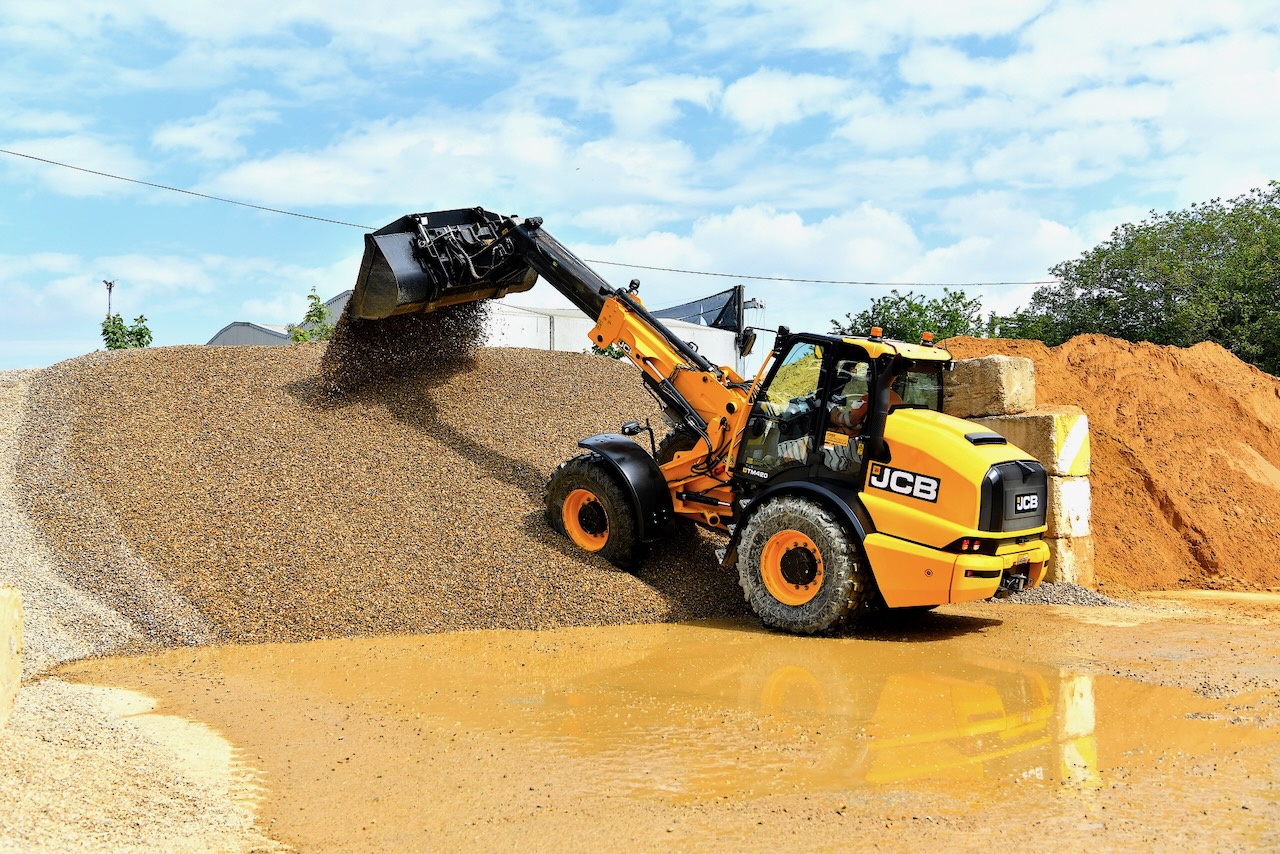
Base Concrete in Hemel Hempstead has purchased a second JCB TM420 telescopic wheel loader from Greenshields JCB to handle sand, cement and aggregate loading for its mobile batching lorry fleet. The TM420’s bucket capacity and boom extension were selected to match truck dimensions and cycle times in a constrained yard, avoiding both oversize machines that cannot manoeuvre and undersize units needing multiple passes. Director Paul MacGregor cites the balance of loading speed, bucket size and manoeuvrability as critical for reliable on-site concrete production.
EnergyX and Wildcat Discovery Technologies plan a more than $230 million lithium iron phosphate (LFP) cathode active material plant in Hooks, Texas, co-located with EnergyX’s Project Lonestar lithium brine facility over 50,000 acres of Smackover formation mining rights. Phase 1 design capacity is about 15,000 tpa of LFP cathode material on a 330-acre TexAmericas Center site with rail access and existing utilities, targeting energy storage, EV, and defence platforms. EnergyX will supply discounted, price-banded lithium carbonate, while Wildcat brings a high-throughput cathode R&D platform and roadmap for higher-density, cobalt- and nickel-free chemistries.
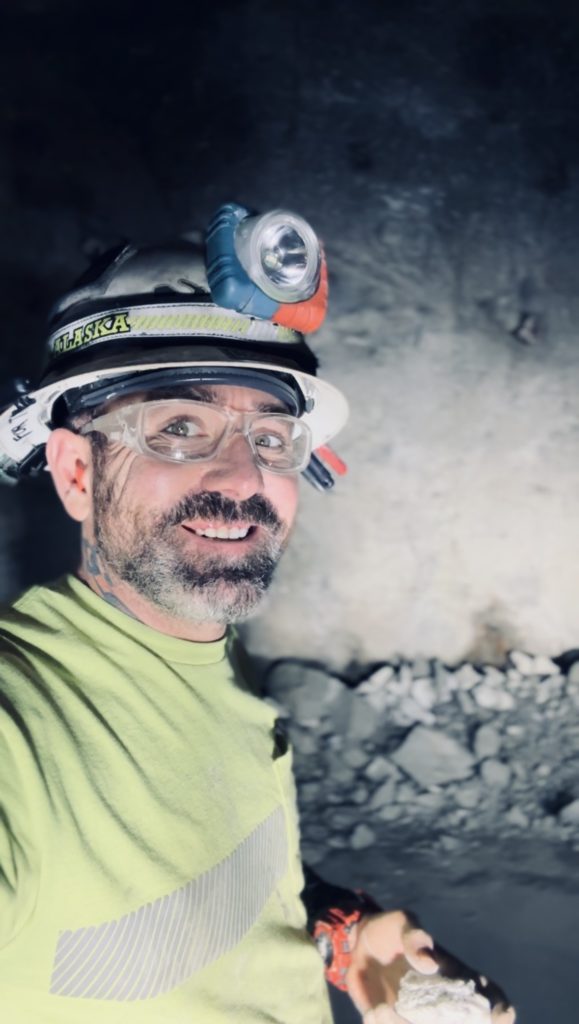
Mining influencers on TikTok and other platforms are rapidly building audiences, with Colombian mining and metallurgy student “Paula Mineria” reaching 110,600 TikTok followers and 1.6 million likes through site-visit videos filmed at operations in Colombia, Japan, Chile, Panama, Canada and the US. Underground miner Cory Rockwell has amassed 117,100 followers and 5 million likes by posting detailed clips of scaling walls, refuge chambers and explosives rounds at sites including Barrick’s Turquoise Ridge and Coeur’s Kensington gold mine. Their content, often company-approved and safety-PPE compliant, is being used by operators and recruiters to counter negative perceptions and showcase modern, regulated mining work.
MMD used The Electric Mine 2026 conference in Lisbon to detail its acquisition of global rights to an intelligent material handling system designed to integrate in-pit crushing, conveying and truck haulage. The company is positioning the technology for fully mobile and semi-mobile IPCC layouts, targeting higher throughput and lower energy use than conventional truck-only haulage, particularly in deep open pits. For mine planners and geotechnical teams, the approach implies earlier commitment to fixed crusher locations, re-profiled ramp geometries and tighter control of bench stability around conveyor corridors.
Epiroc has secured an order from Heidelberg Materials to deploy its LinkOA autonomous haulage system on driverless haul trucks at an Australian quarry, extending the platform from large open-pit mines into the quarrying and aggregates sector. The project will adapt LinkOA’s mine-proven fleet management, collision avoidance and traffic control capabilities to shorter haul cycles, tighter geometries and mixed-traffic quarry conditions. For quarry operators, this signals accelerating interest in OEM-agnostic autonomy retrofits on existing haul fleets to cut operating costs and manage labour constraints.
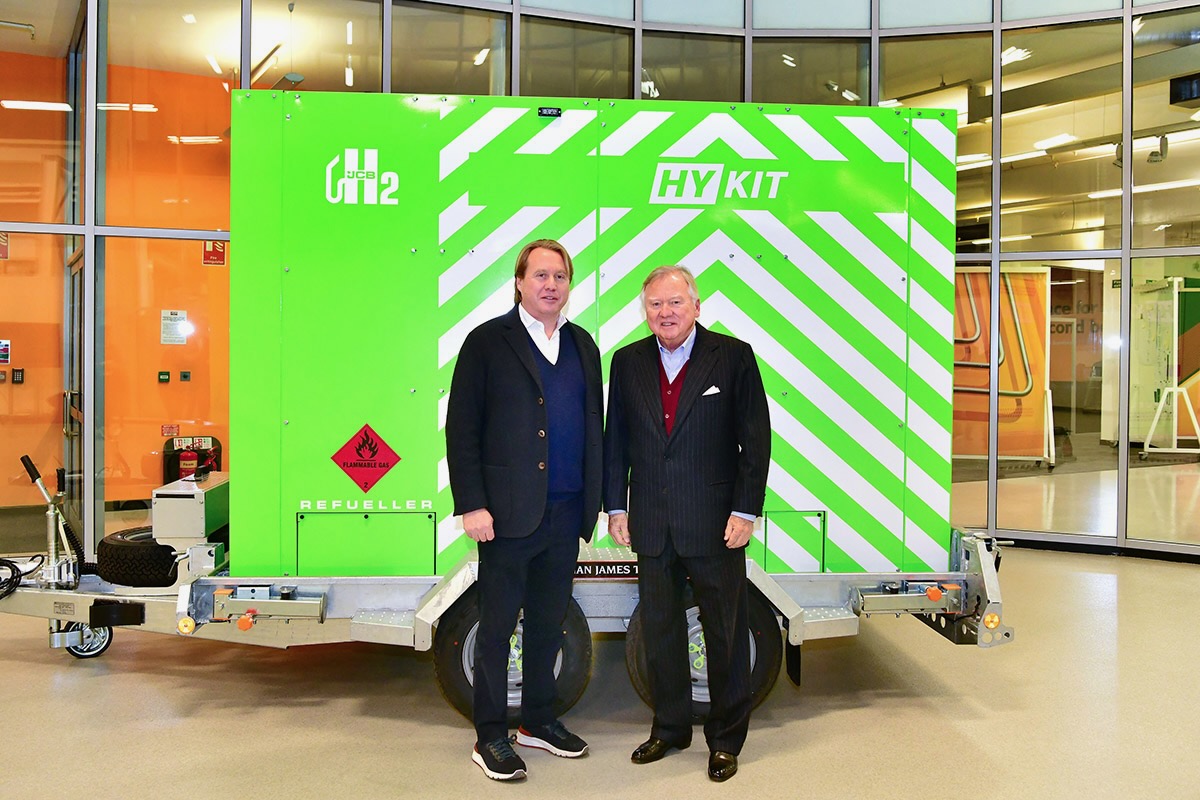
HyKit has launched its first mobile hydrogen refueller – a trailer‑mounted “hydrogen bowser” – aimed at supplying fuel to off‑grid construction sites and plant. Executive chair Jo Bamford outlines plans for a global hydrogen supply chain spanning production, compression and on‑site dispensing, targeting heavy equipment such as excavators, generators and site vehicles. For contractors, the concept removes dependence on fixed refuelling stations and opens a pathway to trial hydrogen plant on existing projects without major infrastructure works.
Weir has relocated its Perth Minerals Division operations to a new 14,500 sq.m purpose-built facility in Hazelmere, marking a major expansion of its Western Australia footprint. The larger site increases capacity to service and rebuild critical mining equipment such as pumps, crushers and slurry handling systems, enabling shorter overhaul and refurbishment cycles for iron ore and gold operations. Faster turnaround on heavy equipment maintenance is likely to reduce downtime risk for remote WA mines that rely on tight shutdown windows and high utilisation rates.
Sandvik has secured a 45-unit underground fleet order from Chinese contractor JCHX Mining Management for deployment at MMG’s Khoemacau Copper Mine in Botswana, booked in Q2 2026. The package includes Toro LH621i loaders, Toro TH663i trucks and Sandvik DD422i development drills, giving JCHX a fully integrated load–haul–drill fleet on a single automation-ready platform. The deal signals continued investment in high-capacity, intelligent equipment at Khoemacau, with implications for fleet standardisation, digital maintenance planning and future autonomous operation.
Metso has launched three new primary crushers – the Primarok™ gyratory, Optirok™ jaw and Durarok™ sizer – targeting high-capacity, modern mining plants. The range combines large primary throughput with designs aimed at safer maintenance, such as improved access to wear parts and reduced need for manual intervention around the crushing chamber. For mine planners and plant engineers, the trio broadens options for matching crusher type to ore characteristics and downstream circuit design without changing supplier.
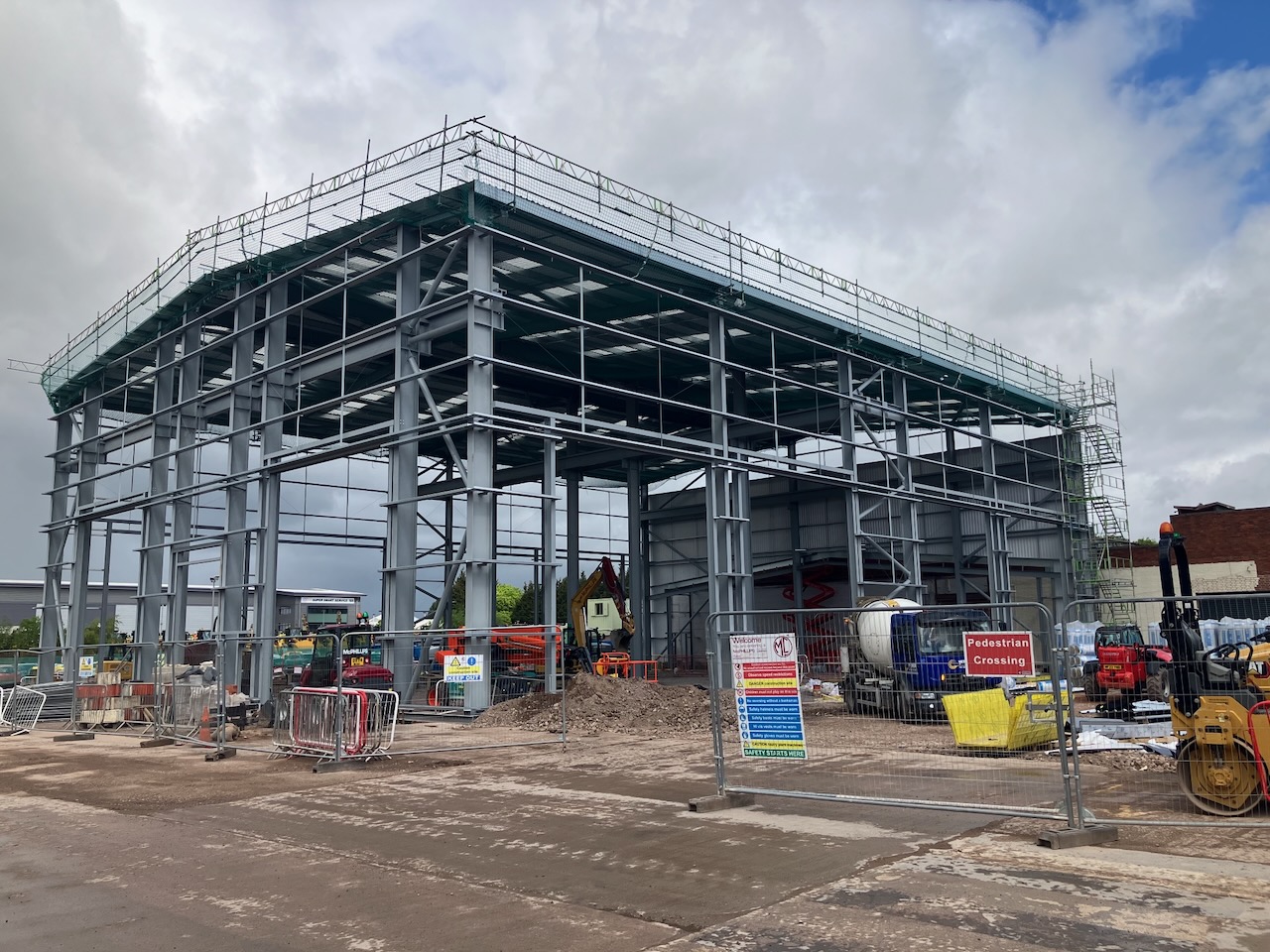
McPhillips is using a new Cat 308 mini excavator to construct a 1,230 m² Rebuild Centre of Excellence at Finning’s Cannock headquarters and has added three Cat 305s to its Shropshire fleet under a new partnership with Finning UK & Ireland. The 8‑tonne‑class 308 and 5‑tonne‑class 305 machines are being used for confined-area works on the workshop build, where lift-and-dig capability, low fuel burn and reduced noise are critical. McPhillips reports the 308’s reliability and precision are key to maintaining programme and safety in restricted zones.
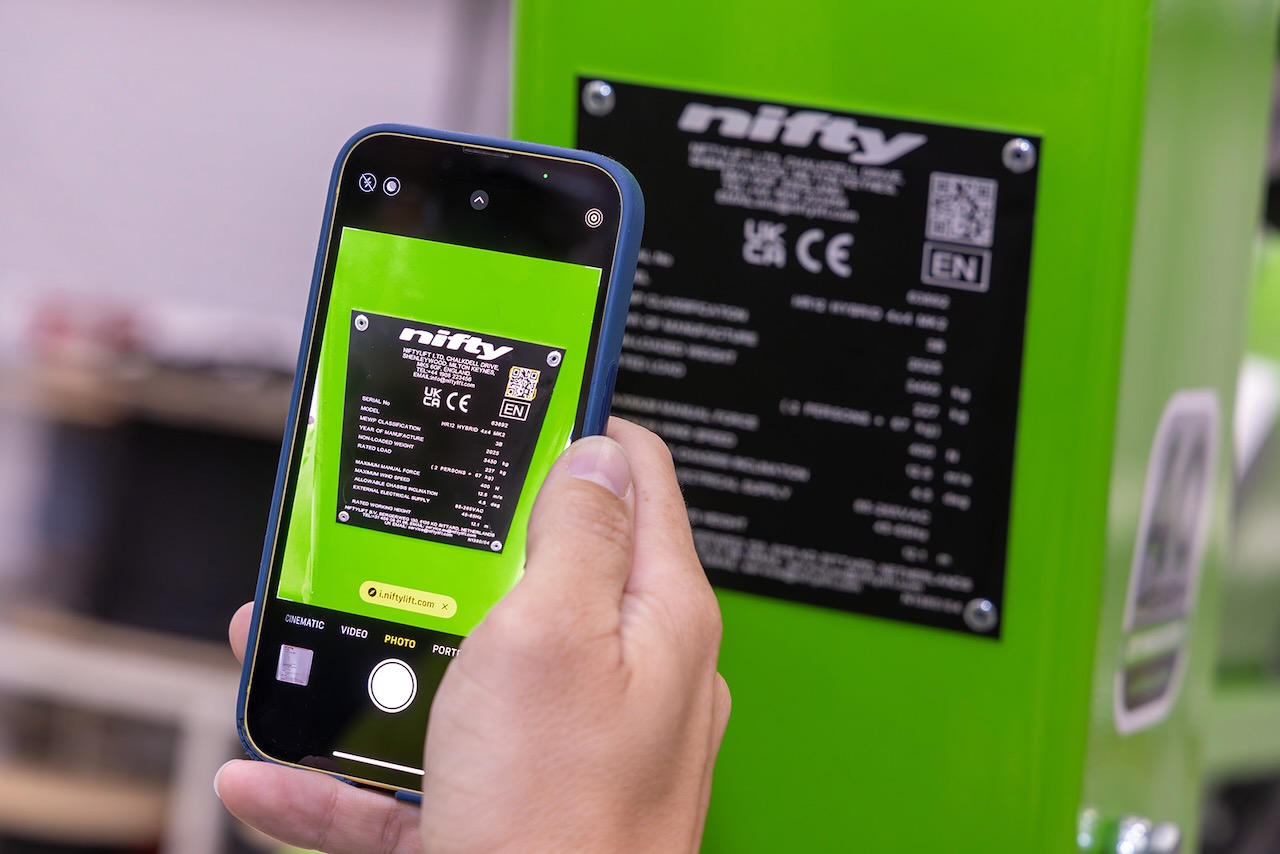
Niftylift has launched MyNifty, a machine-specific online support hub that consolidates manuals, technical documentation, error code lookup, cage overload override reset codes and NiftyPRO video guidance into a single portal. Operators, hire companies and service technicians can access a dedicated page for each model by scanning a QR code on the serial plate or entering the serial number via the Niftylift website, using any mobile device. Most machines in current service already carry QR-coded plates, while older units can be brought into the system through a serial-number QR search tool.
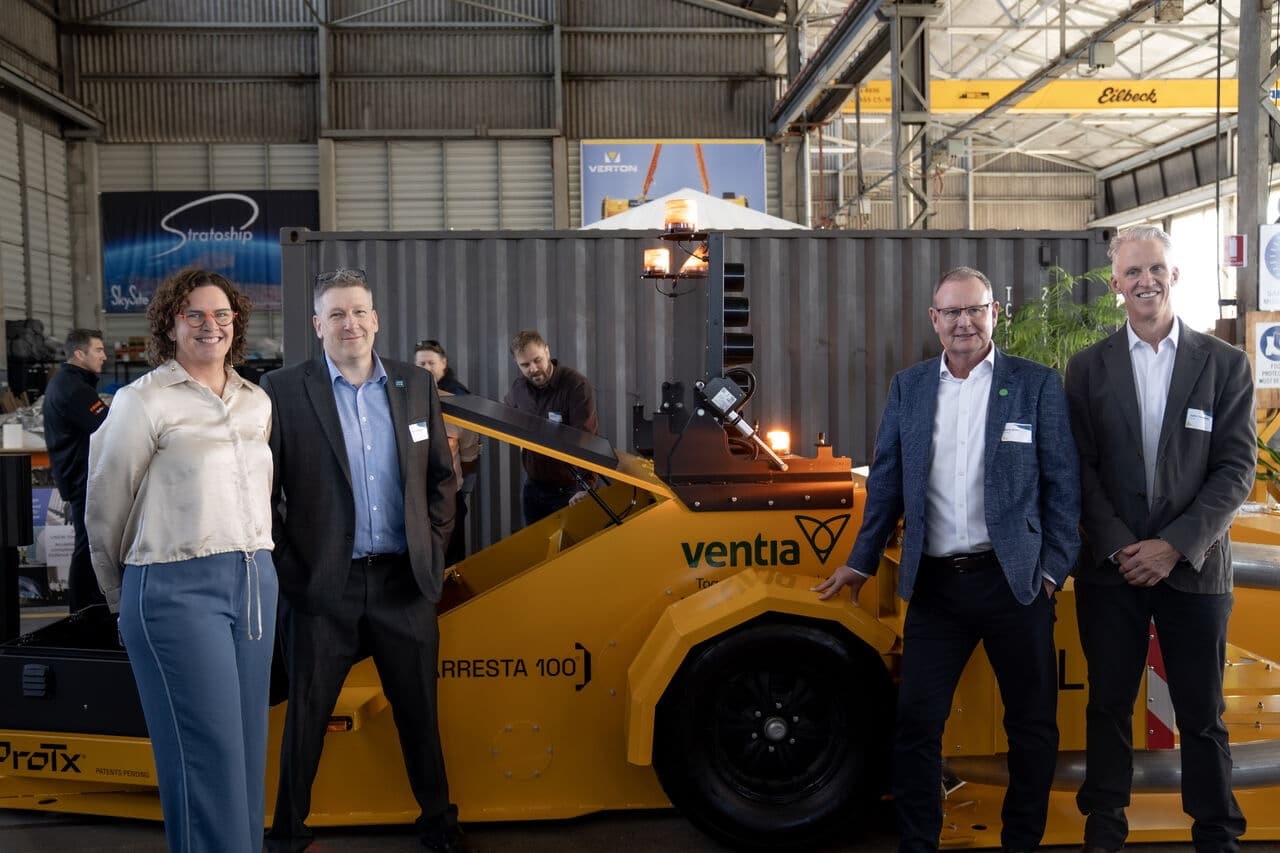
Queensland manufacturer ProTx has launched the Arresta 100, claimed as the first purpose-built vehicle arrestor specifically for temporary static roadworks, with a live demonstration at Brisbane’s Advanced Robotics Manufacturing Hub. The system is designed to rapidly slow or stop out-of-control or unauthorised vehicles entering work zones, providing a physical barrier where conventional cones and signage offer limited protection. For road and civil contractors, it signals emerging options for engineered temporary traffic control hardware beyond standard crash cushions and water-filled barriers.
Kryton International will debut at EXPONOR in Chile this month, showcasing its Hard-Cem® integral hardening technology already deployed in British Columbia mining infrastructure. Hard-Cem is added directly to concrete to improve abrasion and erosion resistance in high-wear elements such as haul road slabs, ore passes and crusher foundations, aiming to extend service life without increasing cement content. For mine operators, the pitch centres on reduced shutdowns for resurfacing, lower lifecycle concrete volumes and more predictable performance in aggressive, high-impact environments.
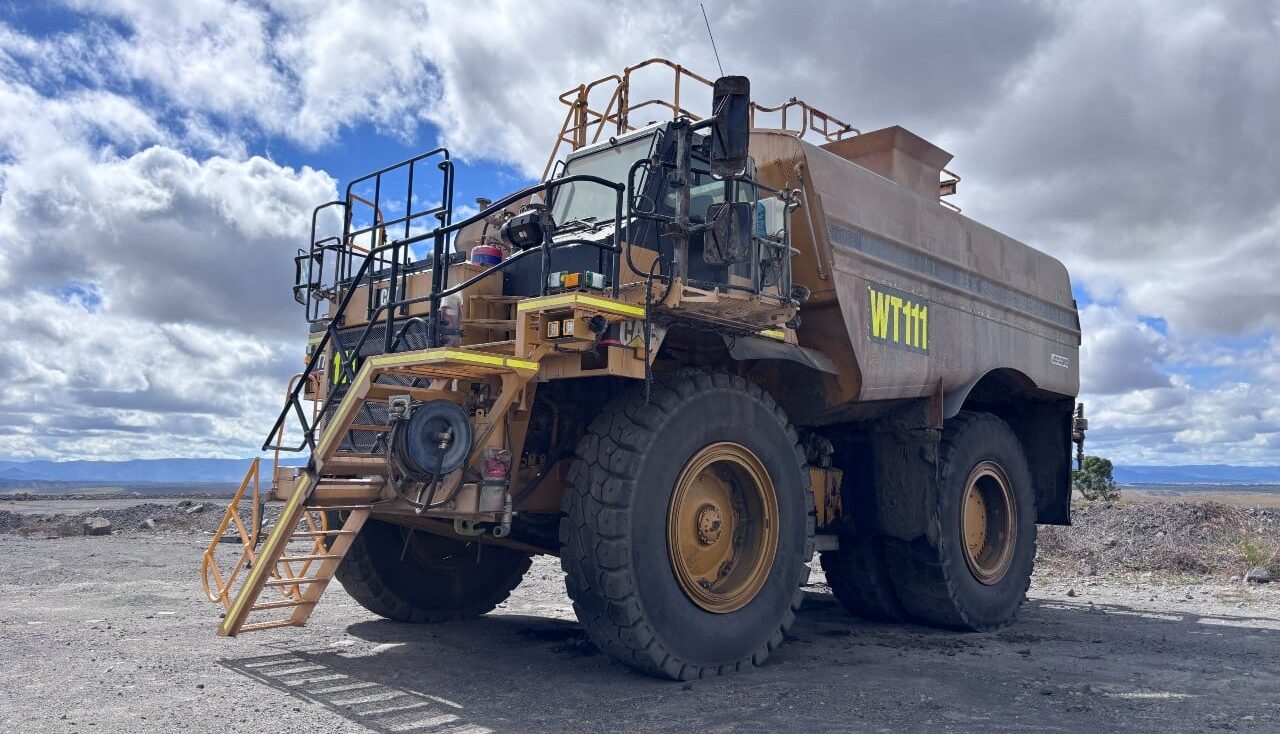
Slattery Auctions is staging a central Queensland major used mining equipment sale featuring heavy machinery assets suited to rebuild programmes, on-site maintenance workshops and access to Tier-1 parts suppliers. Key lots include large mobile plant such as a 2004 Cat 777D water truck, positioned for heavy component recovery rather than immediate deployment. The event offers mining and civil contractors a route to lower capex on haulage and support fleets by sourcing rebuildable units and OEM-grade components through a single auction process.
WSP’s AI specialists describe deploying machine learning tools across UK infrastructure portfolios to cut manual inspection and analysis time for engineers. Applications include automated defect detection on large image datasets from bridge and tunnel surveys, and predictive maintenance models that flag high‑risk assets before failure using historic condition, loading and environmental data. The approach is being embedded into WSP’s digital asset management workflows, raising questions for practitioners about data quality, model validation and how to integrate AI outputs into existing inspection and safety regimes.
PT Freeport Indonesia’s Grasberg underground complex has received its 15th Caterpillar R2900 XE diesel-electric LHD from dealer Trakindo, consolidating one of the world’s largest fleets of Cat underground loaders at a single copper-gold operation. The 15 t-class R2900 XE couples a diesel engine to an electric drive train, cutting fuel burn and heat load versus conventional mechanical-drive R2900 units, which is critical for deep, high-production stopes. New deployments in the Democratic Republic of the Congo signal growing interest in diesel-electric loading for African hard-rock mines facing ventilation and power-cost constraints.
Carlyle has agreed to sell Flender, the Bocholt-headquartered global supplier of mechanical drive technology for conveyors, mills and hoists, to Triton Fund 6 advised by Triton Partners, with closing targeted for Q4 2026 subject to regulatory approvals. Flender’s portfolio spans gear units, couplings and condition monitoring systems widely used in high-torque mining applications, including overland conveyor drives and grinding mill gearboxes. The change of ownership signals continued private equity interest in critical drivetrain OEMs, with potential implications for service models and aftermarket support at large mine sites.
RCT – Powered by Epiroc has opened a new branch in Orange, New South Wales, co-located with fellow Epiroc acquisition JTMEC at Leewood Drive to consolidate automation, control and electrical support for local underground mines. The site will act as a regional base for commissioning and servicing RCT’s ControlMaster automation and remote-control systems on LHDs, trucks and drill rigs, alongside JTMEC’s mine electrical and power distribution services. For operators in the central west NSW gold and base metals belt, the move should shorten response times and simplify integration of OEM-agnostic automation with site power infrastructure.
Sandvik has introduced the Tundo RH700 cluster hammer unit for its DU300-series and DU400-series in-the-hole (ITH) longhole drill rigs, allowing rapid changeovers between standard production drilling and fully mechanised slot raising on the same carrier. The RH700 cluster configuration is aimed at boosting rig utilisation across existing ITH fleets by eliminating the need for dedicated raiseboring units and associated rehandling. For mine planners and drill‑and‑blast engineers, this supports more flexible slot design and potentially tighter drilling schedules without additional capital equipment.
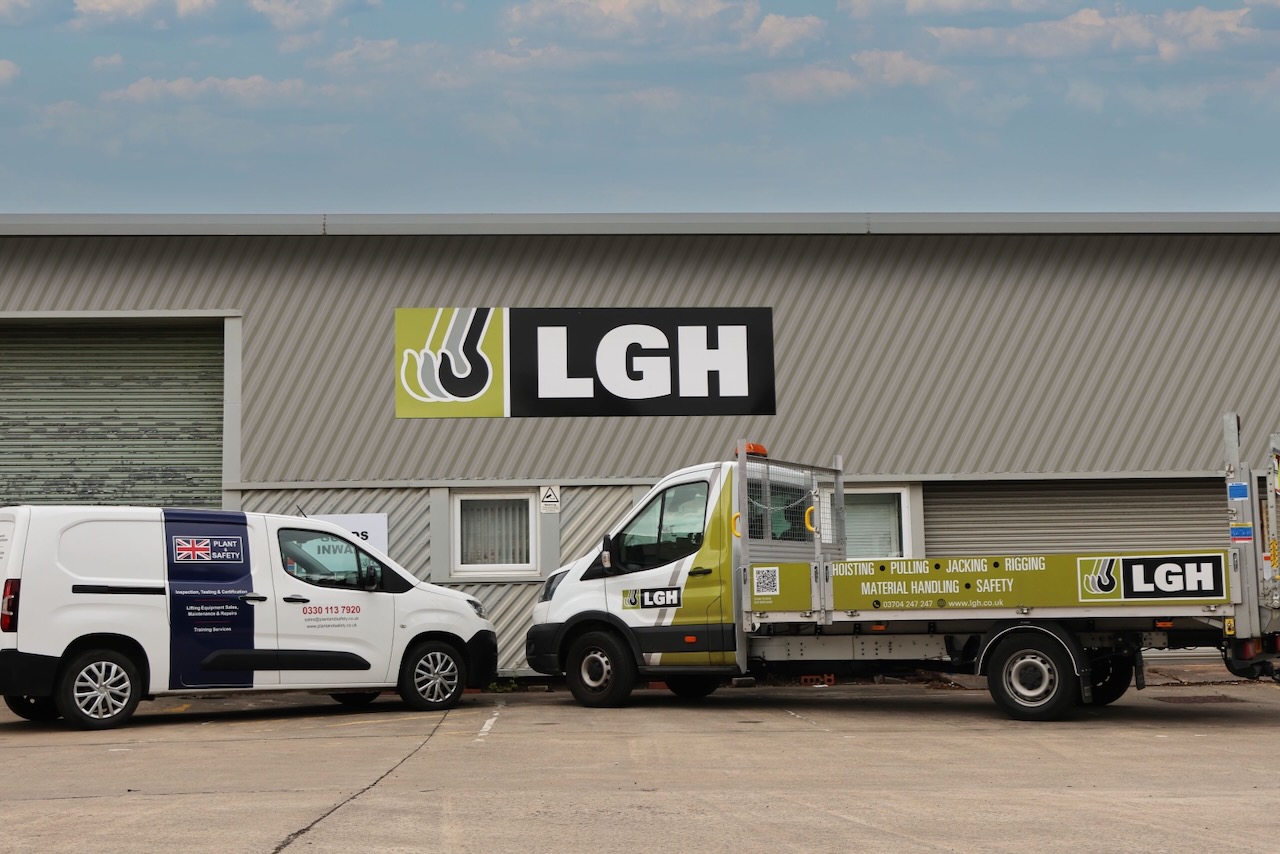
Lifting gear specialist LGH has rolled out its ‘Full Rental Partner’ programme across Europe, giving contractors wider access to certified hoists, spreader beams and rigging hardware without capital purchase. In the UK, LGH has partnered with Plant and Safety Ltd to bundle equipment hire with on-site inspection, LOLER-compliant testing and operator training. The move targets projects needing short- to medium-term lifting solutions, where rapid mobilisation and documented safety assurance are critical for cranes, temporary works and heavy plant handling.
LDD Construction has launched LDD 360, a fully integrated delivery service for projects up to £1m, bundling strip-out, BWIC, structural steel, feature staircases and firestopping under a single management team led by Danny Huggins. The model replaces multiple trade contractors with one point of contact, aiming to cut programme risk from interface clashes, coordination gaps and duplicated preliminaries on smaller schemes. For civil and structural teams, this could simplify sequencing around steelwork, firestopping and builders’ work, but concentrates responsibility for quality and temporary works in one supplier.
Nederman MikroPul is promoting modular baghouse dust collectors and centralised extraction systems for crushing, screening, conveying and loading circuits in mining and mineral processing plants. The systems target fine and abrasive dusts, aiming to cut fugitive emissions, recover saleable product from process streams, and stabilise negative pressure around transfer points to reduce spillage and build-up. By improving capture efficiency at sources such as crushers and screen decks, operators can reduce unplanned shutdowns, lower filter and ductwork maintenance, and support compliance with tightening particulate emission limits.
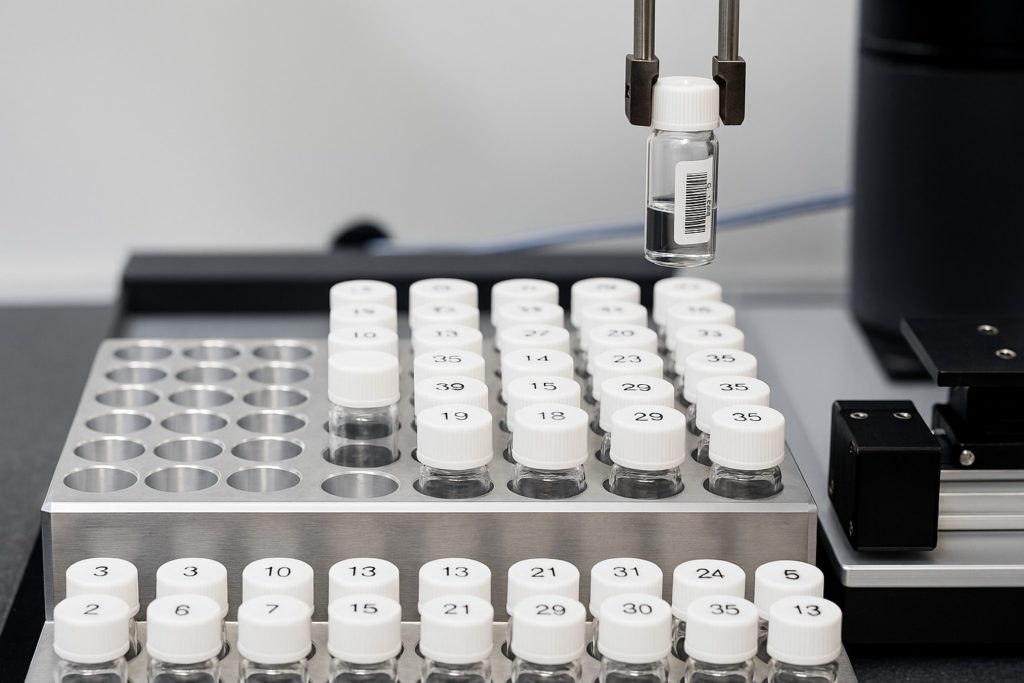
BHP is using artificial intelligence with Microsoft and Prescience Insilico to screen more than 500,000 candidate molecules that could accelerate and improve copper leaching from existing ore. The project applies advanced computing to predict which reagents may enhance recovery rates in heap and dump leach circuits, rather than relying solely on conventional lab trial-and-error. For geometallurgists and process engineers, this signals a push to optimise reagent chemistry on legacy ore bodies before committing capital to new copper projects.
ARLYX Technologies has launched a fully electric, autonomous underground material-handling system combining a 5,000 kg-capacity utility vehicle with an AutoLatch module that can load, transport, and unload consumables during blasting periods while crews are evacuated. By shifting rock bolts, pipes, and concrete deliveries off production shifts and clearing ramp traffic, ARLYX claims mines can gain roughly one extra ore truckload per day, worth up to C$27 million annually, with a single teleoperator supervising up to ten vehicles. The LTE/5G/WiFi/radio-agnostic platform, developed and trialled in Quebec and now adding fire suppression, dust control, and ore-transport modules, also targets ventilation and maintenance cost reductions through zero diesel emissions and simplified mechanics.
LiuGong has unveiled an ultraclass hybrid wheel loader and an autonomous 127 t wide body mining truck at its 6th Global Customer Day in Liuzhou, China, signalling a push into large-scale, high-payload surface mining fleets. The autonomous truck targets 127 t payload haulage with wide body geometry optimised for short- to medium-haul pits, while the hybrid loader combines diesel and electric drive to cut fuel burn and cycle times. For mine planners, the pairing points to integrated OEM haul–load systems with embedded autonomy rather than bolt‑on retrofits.
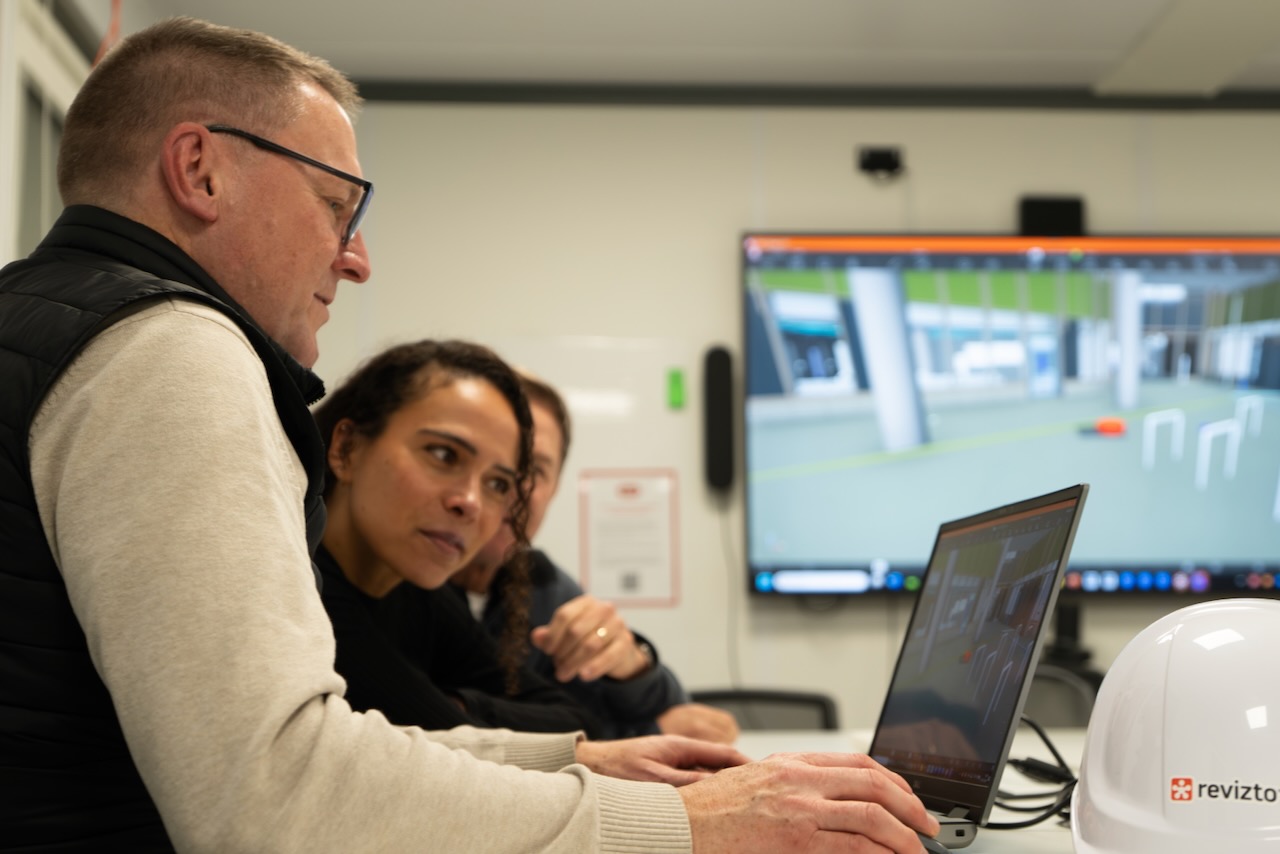
Bouygues UK is using Revizto BIM tools to run live, fully navigable 3D walk-throughs of the 47,000 m² Moorfields and UCL Centre for Eye Health, enabling clinicians to test operating theatre layouts, medical gas outlet positions and patient flows months before work reaches those areas. A single shared model for more than 100 daily onsite users across 20 disciplines has cut clash detection from about a week to 10–15 minutes, with issues logged and resolved in real time. The specialist eye hospital complex is scheduled to open to patients in summer 2027.
Volvo Days 2026 in Eskilstuna is showcasing Volvo CE’s strategy for mining, with senior management outlining investment priorities in electric and autonomous haulage fleets and digital fleet management platforms. Demonstrations are expected to centre on battery-electric articulated haulers, trolley-assist concepts and connected machine monitoring, building on existing deployments in Scandinavian quarrying and underground operations. For mine operators, the focus is on lowering diesel consumption and emissions while integrating OEM telematics with site dispatch and maintenance systems to improve equipment availability and haul cycle control.
PLS’ Pilgangoora P1000 expansion in Western Australia has pushed TOMRA sensor-based ore sorting from trial phase to fully integrated unit operation in day-to-day hard rock lithium processing, after several years of continuous running. The industrial-scale installation is now delivering consistent spodumene feed quality and demonstrating stable performance under variable ore conditions, giving Pilgangoora greater long-term resource flexibility. For other lithium pegmatite projects, the case validates sensor-based sorting as a viable front-end circuit option to debottleneck plants and upgrade marginal ore.
Metso is proceeding with phase two of its Lokomotion technology centre in Lahdesjärvi, Tampere, committing about €60 million to build a new crusher factory integrated into the existing R&D and manufacturing hub. The phased investment will expand capacity for Metso’s Lokotrack and stationary crushing solutions, consolidating prototype testing, series production and lifecycle services on a single site. For mining and aggregates clients, the enlarged facility should shorten lead times for large crushers and enable faster industrialisation of new crushing technologies.
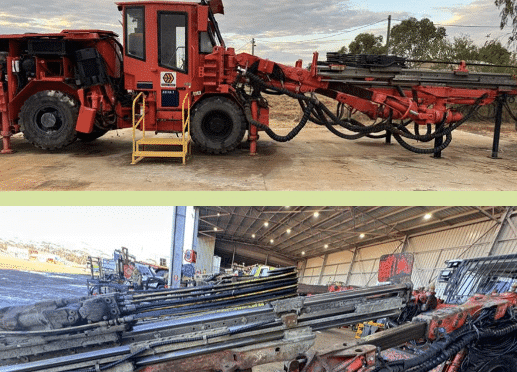
A 48 per cent reduction in feed rope consumption on a fleet of Sandvik DD421 hard-rock development jumbos was achieved after MASPRO re-engineered the feed system rather than simply extending rope life. The contractor had been facing frequent feed rail rope changes and unplanned stoppages, prompting a focus on rope path, tensioning behaviour and compatibility with DD421 feed rails. The optimisation reduced rope wear and replacement frequency, cutting maintenance interactions and offering a template for reliability-centred design of high-cycle underground drill components.
Tega Industries has completed its acquisition of Molycop, combining Tega’s mill liners and wear solutions with Molycop’s grinding media and rail consumables into a broader “critical to operate” portfolio for comminution circuits. The deal, executed with funds managed by affiliates of Apollo, creates a single supplier spanning SAG and ball mill liners, forged and cast grinding balls, and associated process consumables across copper, gold and iron ore operations. For plant engineers, the move signals tighter integration of liner–media selection, wear-life optimisation and throughput tuning under one global vendor.
ME PolyFIT® composite feed head liners are extending wear life on a 34 ft (10.4 m) SAG mill at an open-pit copper-molybdenum mine in Britain, directly supporting higher mill uptime and reduced liner change frequency. The engineered liner system replaces conventional steel designs in the feed end, targeting high-impact zones where premature failure typically drives unplanned shutdowns. For mine maintenance and process teams, the case points to composite liner retrofits as a route to longer inspection intervals and more stable grinding performance without major mill modifications.